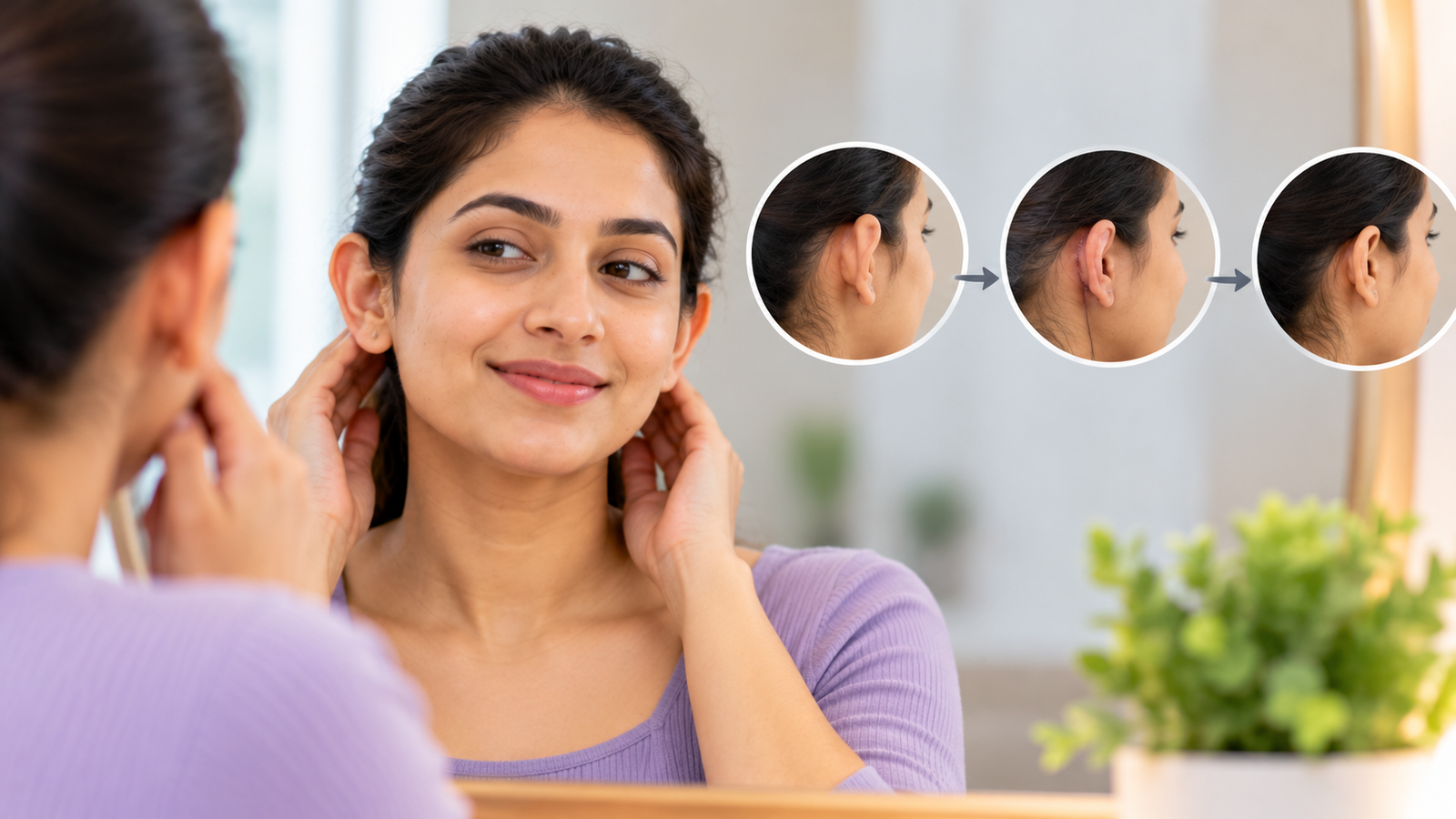

How Long Does a Facelift Last?
How long does a facelift last? Facelift results commonly remain noticeable for approximately 7–10 years, although longevity varies with surgical technique, age, skin quality, genetics and lifestyle. A facelift cannot stop ageing, but patients may continue to look younger than they would have without surgery. Maintaining healthy skin and avoiding smoking may support longer-lasting results.
Patients considering facial rejuvenation often want to know whether facelift surgery provides permanent results, when ageing becomes visible again and whether another procedure will eventually be necessary.
Understanding how facelift results change over time helps patients develop realistic expectations and make informed treatment decisions.
How Long Does a Facelift Last on Average?
The average duration of facelift results varies depending on the type of procedure performed and the patient's individual characteristics.
A traditional facelift commonly produces visible improvements that may remain noticeable for approximately 7–10 years or longer in some patients.
However, this does not mean the face suddenly returns to its original appearance after a fixed number of years.
Ageing continues gradually after surgery.
A facelift changes the starting point of facial ageing rather than stopping the ageing process.
Patients considering surgical facial rejuvenation can explore the facial cosmetic surgery guide for information about available procedures.
Does a Facelift Last Forever?
No. A facelift does not permanently prevent wrinkles, skin laxity or other age-related changes.
During surgery, the surgeon repositions selected facial tissues and removes excess skin.
These changes may provide long-lasting improvement, but the underlying tissues continue to age.
Over time, patients may notice:
-
Gradual reduction in skin firmness
-
New fine lines and wrinkles
-
Changes in facial volume
-
Mild recurrence of jowling
-
Changes in jawline definition
-
Increased skin laxity around the neck
Even when these changes develop, the patient may retain a more rejuvenated appearance compared with their expected appearance without surgery.
Facelift Results Timeline: What Changes Over the Years?
Facelift results develop gradually during recovery and continue to change with natural ageing.
|
Time After Surgery |
What Patients May Notice |
|---|---|
|
First 2–4 weeks |
Swelling, bruising and temporary tightness |
|
Months 1–3 |
Improving facial contours as swelling decreases |
|
Months 3–6 |
Continued tissue settling and more natural facial movement |
|
Months 6–12 |
Results become more established as healing progresses |
|
Years 1–3 |
Improvements often remain noticeable |
|
Years 4–7 |
Gradual ageing may become more apparent |
|
Years 7–10 |
Some patients notice increasing laxity or volume changes |
|
Beyond 10 years |
Results vary; some patients consider further rejuvenation |
This timeline is illustrative, not a prediction of when an individual patient's results will change.
Patients planning surgery can review the facelift recovery time guide for information about returning to work and social activities.
What Factors Affect Facelift Longevity?
Several factors influence facelift longevity, including anatomy, surgical technique and lifestyle.
1. Age at the Time of Surgery
Age influences skin elasticity, tissue quality and the degree of facial ageing.
Younger patients may have better skin elasticity, but age alone does not determine how long facelift results last.
A patient's facial structure, skin characteristics and overall health are also important.
2. Skin Quality
Skin that has experienced significant sun damage, reduced elasticity or substantial laxity may continue to show age-related changes after surgery.
Healthy skin habits may help maintain the appearance of the results.
3. Surgical Technique
Different facelift techniques address different tissue layers.
Some procedures focus primarily on the skin, while others reposition deeper supporting tissues.
The most appropriate approach depends on the patient's anatomy and treatment goals.
4. Genetics
Genetics influence skin elasticity, collagen changes, facial fat distribution and ageing patterns.
These factors can affect the long-term appearance of the face.
5. Sun Exposure
Excessive ultraviolet exposure contributes to skin ageing, pigmentation changes and loss of elasticity.
Consistent sun protection is important for maintaining skin quality.
6. Smoking and Nicotine
Smoking and nicotine can affect circulation, wound healing and skin quality.
Avoiding nicotine is beneficial before and after facial surgery.
7. Weight Fluctuations
Significant weight gain or loss can change facial fat distribution and skin support.
Maintaining a reasonably stable weight may help preserve facial contours.
Do Different Facelift Techniques Last for Different Lengths of Time?
Different facelift techniques may produce different degrees of correction and durability.
However, reliable head-to-head evidence is limited, and results depend heavily on the patient and surgeon.
|
Facelift Technique |
Main Treatment Focus |
Longevity Considerations |
|---|---|---|
|
Mini facelift |
Selected lower-face laxity |
May provide less extensive correction than a full facelift |
|
Traditional facelift |
Cheeks, jowls and lower-face tissues |
Often provides substantial, long-lasting improvement |
|
SMAS facelift |
Skin and superficial musculoaponeurotic system |
Repositions supporting facial tissues |
|
Deep-plane facelift |
Deeper facial tissue mobilisation |
May provide durable correction in suitable patients |
|
Facelift with neck lift |
Lower face and neck |
Addresses ageing across both regions |
No technique can guarantee a specific number of years of improvement.
The appropriate procedure should be selected according to facial anatomy, skin laxity, medical suitability and realistic goals.
Does a Mini Facelift Last as Long as a Full Facelift?
A mini facelift generally involves a more limited correction than a traditional facelift.
It may be suitable for selected patients with relatively mild lower-face laxity.
Because the degree of correction differs, the visible duration of improvement may also differ.
However, there is no universally reliable lifespan for either procedure.
Patients should avoid choosing a technique based only on advertised longevity.
The surgeon should explain the expected improvement, limitations and recovery requirements for each option.
Does a Facelift Prevent Wrinkles From Returning?
A facelift primarily addresses facial tissue descent and skin laxity.
It does not prevent all future wrinkles.
Fine lines and changes in skin texture may continue developing because of:
-
Natural collagen changes
-
Sun exposure
-
Repeated facial expressions
-
Skin dehydration
-
Smoking
-
Age-related skin thinning
Patients may require separate treatments for concerns such as pigmentation, fine wrinkles or skin texture.
For a broader comparison of treatment options, see Which Facial Procedure Is Right for Your Concern?.
How Can You Make Facelift Results Last Longer?
Although no method can stop ageing, certain habits may help preserve skin quality and support long-term results.
Protect Your Skin From the Sun
Use broad-spectrum sunscreen, protective clothing and appropriate sun-avoidance measures.
Avoid Smoking
Smoking contributes to skin ageing and can negatively affect healing.
Maintain a Stable Weight
Large weight fluctuations may affect facial contours and skin laxity.
Follow a Suitable Skincare Routine
Gentle cleansing, moisturising and evidence-based skincare may help maintain skin health.
Maintain Healthy Nutrition
A balanced diet supports general health and normal tissue function.
Attend Follow-Up Appointments
Postoperative reviews help the surgeon monitor healing and assess any concerns.
Consider Additional Treatments When Appropriate
Some patients may benefit from nonsurgical treatments for skin quality or volume changes.
These treatments should be discussed with a qualified clinician rather than started automatically.
Can Botox or Fillers Extend Facelift Results?
Botulinum toxin and dermal fillers address different concerns from facelift surgery.
Botulinum toxin may reduce selected expression-related wrinkles.
Dermal fillers may restore volume in appropriate areas.
Neither treatment directly prevents surgically repositioned tissues from ageing.
However, selected nonsurgical treatments may complement facelift results by addressing concerns that surgery does not fully correct.
Patients should discuss the timing and suitability of injectable treatments with their surgeon.
Can Facial Fat Grafting Improve Long-Term Facelift Results?
Facial fat grafting may be considered when facial volume loss contributes to an aged appearance.
A facelift primarily addresses tissue position and laxity, while fat grafting aims to restore volume in selected areas.
Combining procedures may improve facial balance in suitable patients.
However, some transferred fat is naturally reabsorbed, and long-term volume retention varies.
Patients interested in volume restoration can review the facial fat grafting guide.
Will You Look Older Again After 10 Years?
Yes, natural ageing continues after facelift surgery.
However, patients do not necessarily return to their exact preoperative appearance.
The repositioned tissues and removal of excess skin may continue to provide a relative improvement compared with how the face might otherwise have aged.
The degree of retained improvement varies.
A patient who undergoes surgery at age 50 will continue ageing into their 60s, but the surgical changes may still influence facial appearance.
When Might You Need a Second Facelift?
A second facelift is not automatically required after a certain number of years.
Some patients remain satisfied with their appearance for a long time.
Others may consider further treatment when:
-
Jowling becomes more noticeable
-
Skin laxity increases
-
Neck contours change
-
Facial ageing progresses
-
Their aesthetic goals change
Revision surgery requires careful assessment because previous surgery can alter tissue planes, scars and blood supply.
A second procedure may involve additional complexity and risk.
Can a Facelift Look Natural for Many Years?
Natural-looking facelift results depend on appropriate surgical planning, tissue repositioning and individual healing.
A well-planned procedure aims to improve facial contours without creating excessive tension or an unnatural appearance.
Over time, natural ageing continues.
Patients concerned about long-term appearance can read Will You Look Natural After Facial Surgery?.
Does Facelift Recovery Affect Long-Term Results?
Postoperative care is important for healing and reducing avoidable complications.
Patients should follow instructions regarding:
-
Wound care
-
Sleeping positions
-
Activity restrictions
-
Medication use
-
Smoking cessation
-
Follow-up appointments
-
Recognition of warning signs
Complications such as infection, bleeding or impaired wound healing may affect recovery and the final outcome.
For detailed information, read Swelling and Bruising After Facial Surgery: Timeline.
Facelift Consultation With Dr. Ashutosh Shah
At Elegance Clinic, Dr. Ashutosh Shah evaluates facial anatomy, skin laxity, medical history and individual treatment goals before discussing facelift surgery. Patients asking how long does a facelift last can discuss realistic expectations, suitable surgical techniques, recovery requirements and the factors that may influence long-term results. The consultation also helps determine whether surgical or nonsurgical facial rejuvenation is appropriate.
Conclusion
How long does a facelift last? Many patients experience visible facial rejuvenation for approximately 7–10 years, with some retaining improvement for longer.
Facelift surgery does not stop the ageing process, but it can provide lasting changes to facial contours and tissue position.
The duration of results depends on surgical technique, individual anatomy, skin quality, genetics and lifestyle.
Maintaining healthy habits, protecting the skin from excessive sun exposure and following postoperative recommendations may help support long-term appearance.
For information about facelift surgery and personalised consultation options, visit Elegance Face Makeover