Sleeping, Work and School After Ear Surgery
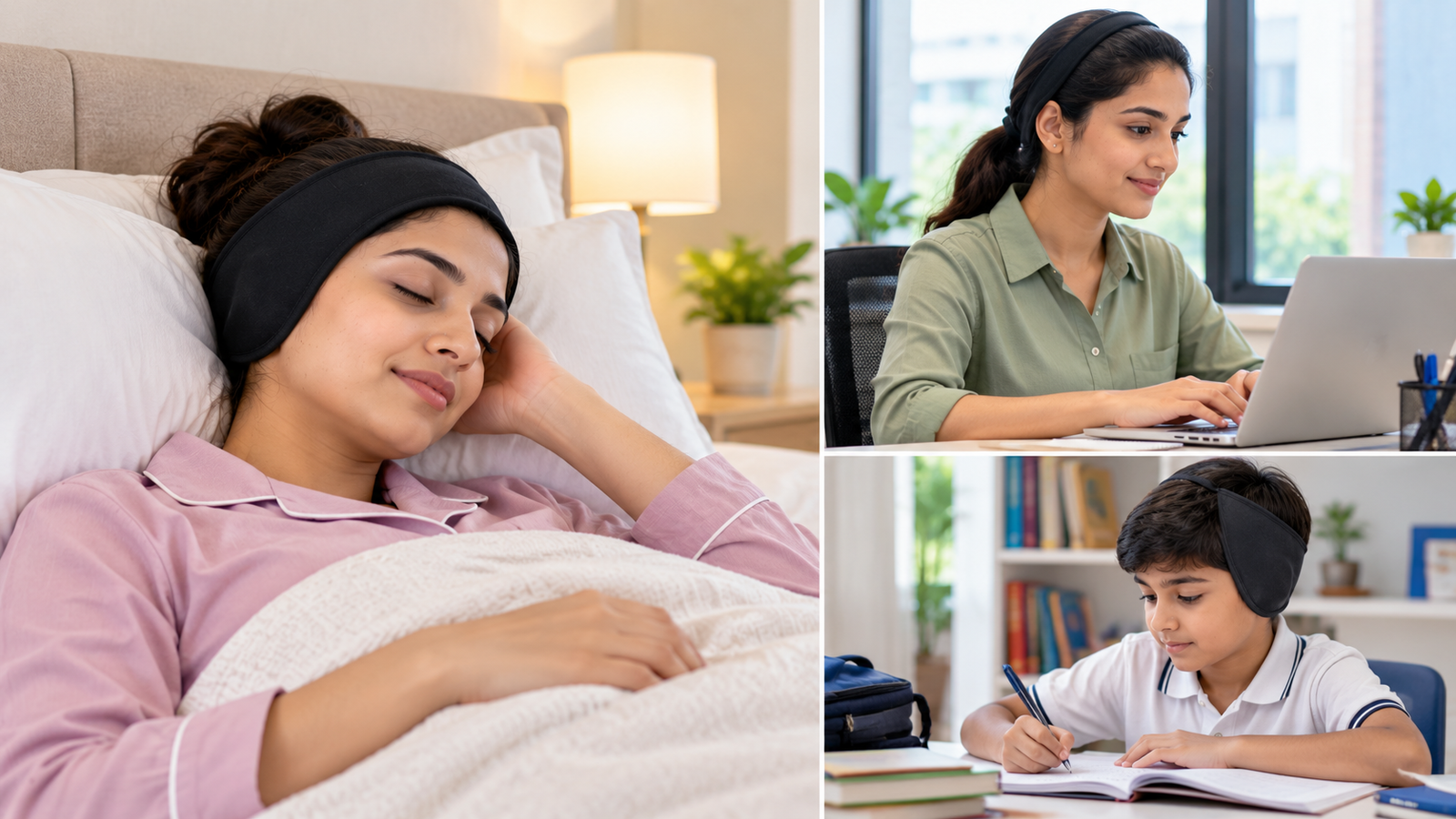
Sleeping after otoplasty usually requires extra care during the first few weeks to prevent pressure on healing ears. Patients are commonly advised to sleep on their backs and wear a protective headband as instructed. Many adults return to desk work and children return to school within one to two weeks, depending on healing and surgical advice.
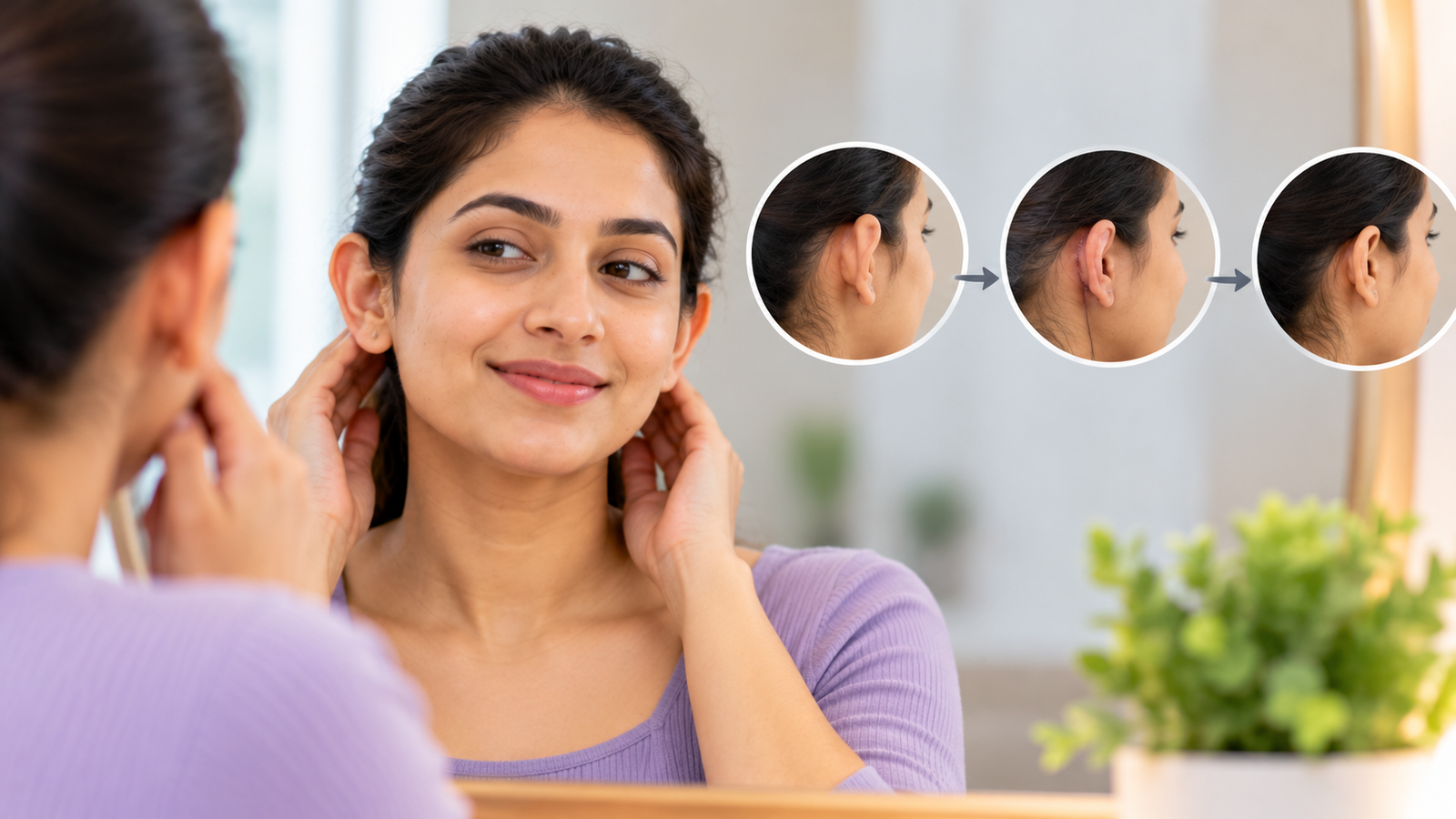
Ear correction surgery, also called otoplasty or ear pinning surgery, reshapes or repositions the external ears. Although it is commonly performed as a day-care procedure, the ears need time to heal.
Patients often ask when they can sleep on their sides, return to the office, attend school or resume sports.
Understanding the recovery timeline helps families plan postoperative care and avoid activities that could disturb healing.
Why Is Sleeping Position Important After Otoplasty?
During otoplasty, the surgeon may reshape cartilage and use internal sutures to maintain the corrected ear position.
The ears can remain swollen, tender and sensitive to pressure during early recovery.
Sleeping directly on the operated ears may cause discomfort and increase the risk of accidental bending or irritation.
Proper sleeping after otoplasty helps protect the ears while the tissues heal.
Patients may be advised to:
-
Sleep on their backs during early recovery.
-
Keep their heads slightly elevated if recommended.
-
Avoid pressing the ears against pillows.
-
Wear a protective headband according to instructions.
-
Avoid pulling or folding the ears when changing positions.
For an overview of the procedure, read the otoplasty surgery guide.
Otoplasty Recovery Time: Day-by-Day Timeline
The typical otoplasty recovery time varies with surgical technique, age, healing and the extent of cartilage correction.
Ear surgery recovery milestones
General estimates; your surgeon's instructions take priority.
-
Days 1–3: Rest and protect the ears
Swelling, tenderness and pressure from dressings are common. Sleep in the recommended position and avoid touching the surgical area.
-
Days 4–7: Gradual improvement
Discomfort often begins to decrease. The surgeon may review or change the initial dressing. Continue protecting the ears during sleep.
-
Week 2: Return to some routine activities
Many adults can resume desk work and children may return to school if recovery is uncomplicated and the surgeon approves.
-
Weeks 3–4: Improved comfort
Swelling and sensitivity generally continue to decrease. Some patients can gradually resume their usual sleeping positions after clearance.
-
Weeks 4–6: More normal activity
Patients may resume additional physical activities when approved. Contact sports and activities that could injure the ears may require longer restrictions.
-
After 6 weeks: Continued healing
Many patients have returned to normal routines, although residual tenderness, numbness and scar changes can persist.
When Can You Sleep on Your Side After Otoplasty?
One of the most common questions about sleeping after otoplasty is when side sleeping becomes safe.
During early recovery, direct pressure on the ears is generally discouraged.
Some patients may be cleared to resume side sleeping after approximately two to four weeks, while others may need longer.
The appropriate timing depends on:
-
Cartilage reshaping technique
-
Incision healing
-
Swelling and tenderness
-
Ear position
-
Internal suture stability
-
The surgeon's postoperative protocol
Do not resume side sleeping simply because pain has improved.
Wait until your surgeon confirms that the ears can tolerate normal pillow pressure.
What Is the Best Sleeping Position After Ear Surgery?
Back sleeping is commonly recommended during early otoplasty recovery.
Sleep on Your Back
This reduces direct contact between the ears and the pillow.
Keep Your Head Slightly Elevated
If advised, use a comfortable elevated position to help manage swelling.
Avoid Rolling Onto the Ears
Patients who frequently change positions during sleep may need additional precautions.
Use the Recommended Headband
A soft postoperative headband may help prevent the ears from folding forward during sleep.
However, the headband should not be excessively tight.
Avoid Unapproved Sleeping Devices
Do not use rigid supports, tightly wrapped bandages or devices that apply pressure to healing ears without medical approval.
Do You Need a Headband While Sleeping After Otoplasty?
Many surgeons recommend nighttime headband use after the initial postoperative dressing is removed.
The purpose is to protect the ears from accidental bending, pulling or pressure.
A headband may be recommended for several weeks, but the schedule varies.
Some patients need daytime and nighttime protection initially, followed by nighttime use only.
Others may receive different instructions depending on the procedure.
For more information, read Headband After Otoplasty: Why and How Long.
What if You Accidentally Sleep on Your Ear?
Accidentally rolling onto an operated ear does not automatically mean the surgical result has been damaged.
However, pressure may cause pain or irritation.
If this happens:
-
Gently return to the recommended sleeping position.
-
Avoid pulling or manipulating the ear.
-
Check for unusual pain, bleeding or swelling.
-
Continue following the prescribed headband instructions.
-
Contact your surgeon if the ear looks different or symptoms increase.
Do not attempt to reposition the ear yourself.
When Can Adults Return to Work After Otoplasty?
Many adults can return to desk-based work within approximately one to two weeks after surgery.
However, the timing depends on the job and individual recovery.
Desk-Based Jobs
Office workers may return when discomfort is manageable, dressings have been reviewed and the surgeon confirms that healing is progressing normally.
Work From Home
Some patients may be able to perform limited remote work earlier.
However, adequate rest remains important during the first several days.
Physically Demanding Jobs
Jobs involving lifting, strenuous activity, helmets or a risk of ear injury may require a longer break.
Customer-Facing Jobs
Patients working in public-facing roles may prefer additional time for visible swelling, bruising or dressings to become less noticeable.
|
Type of Work |
Approximate Return |
|---|---|
|
Remote desk work |
Sometimes within several days to 1 week |
|
Office work |
Often 1–2 weeks |
|
Customer-facing work |
Commonly 1–2 weeks or longer |
|
Physically demanding work |
May require several weeks |
|
Jobs requiring protective helmets |
Only after surgeon approval |
These are general estimates and not medical clearance for individual patients.
When Can Children Return to School After Otoplasty?
The return to school after otoplasty depends on the child's comfort, healing and ability to avoid injury.
Many children can return within approximately one to two weeks.
However, returning to school does not mean the ears are fully healed.
Parents should consider whether the child:
-
Has manageable discomfort
-
Can participate in classroom activities
-
No longer requires frequent postoperative care during school hours
-
Can avoid pulling or touching the ears
-
Understands the need to protect the surgical area
-
Has received clearance from the surgeon
Teachers should be informed about temporary activity restrictions.
What Precautions Should Children Take at School?
Children may accidentally bump their ears during play or physical activities.
Parents should discuss the following precautions with teachers:
-
Avoid contact sports and rough play.
-
Avoid activities where the ears may be pulled.
-
Take care when changing clothes.
-
Follow any headband instructions.
-
Avoid tight helmets or headwear unless approved.
-
Report pain, bleeding or accidental injury promptly.
Physical education classes may need to be modified until the surgeon confirms that normal activities can resume.
When Can You Resume Sports After Ear Surgery?
Sports involving physical contact or a risk of head injury require special caution.
|
Activity |
General Guidance |
|---|---|
|
Gentle walking |
Often permitted within the first few days |
|
Light daily activities |
Gradually as comfort improves |
|
School classroom activities |
Often within 1–2 weeks |
|
Light exercise |
After surgeon approval |
|
Running and gym workouts |
Usually delayed until early healing is established |
|
Swimming |
Only after wounds have healed and the surgeon approves |
|
Contact sports |
Often restricted for 6 weeks or longer |
|
Activities requiring helmets |
Resume when helmet pressure is safe and approved |
Patients should not use a protective headband as permission to return to contact sports early.
Can You Wear Headphones After Otoplasty?
Headphones can place pressure on the external ears.
Over-ear headphones may be uncomfortable during early recovery and could irritate incisions.
Patients should avoid headphones that compress or bend the ears until cleared by their surgeon.
In-ear earphones may not press directly on the outer ear, but their use should still follow postoperative instructions.
Do not force headphones over swollen or tender ears.
When Can You Wash Your Hair After Otoplasty?
Hair washing instructions depend on the surgical dressing and incision healing.
Some patients may be allowed to wash their hair after the initial dressing is removed, while others need to wait longer.
During early recovery:
-
Keep dressings dry unless instructed otherwise.
-
Avoid rubbing behind the ears.
-
Do not pull the ears while washing.
-
Use gentle cleaning methods approved by the surgeon.
-
Avoid applying unapproved products to incisions.
Ask your surgical team when normal shampooing and hair styling can resume.
Is Ear Pain Normal When Sleeping After Surgery?
Mild tenderness and discomfort are common after otoplasty.
Pain may be more noticeable if the ears come into contact with bedding.
However, severe or worsening pain should not be ignored.
Contact the surgical team if pain becomes intense, particularly when accompanied by swelling, bleeding or unusual skin changes.
For more information, read Is Otoplasty Painful? What Recovery Feels Like.
How Can You Make Otoplasty Recovery More Comfortable?
Proper sleeping after otoplasty and careful daily activity planning can support recovery.
Prepare Your Sleeping Area
Arrange comfortable pillows and follow the recommended sleeping position.
Wear the Headband Correctly
Use the prescribed headband without excessive compression.
Take Medication as Directed
Follow instructions for pain relief and other postoperative medications.
Avoid Pressure on the Ears
Be careful when changing clothes, brushing hair and using pillows.
Maintain Good Hygiene
Follow wound-care instructions and keep the surgical area clean.
Attend Follow-Up Visits
Scheduled reviews allow the surgeon to assess healing and adjust activity restrictions.
Patients planning surgery can also review Preparing for Facial Cosmetic Surgery.
When Should You Contact Your Surgeon During Recovery?
Some swelling, tenderness and bruising are expected after ear correction surgery.
However, certain symptoms require prompt medical attention.
Contact your surgical team urgently if you notice:
-
Severe or increasing ear pain
-
Sudden swelling or a firm, expanding lump
-
Persistent bleeding
-
Fever
-
Spreading redness
-
Pus or unusual discharge
-
Skin becoming unusually dark or pale
-
Wound separation
-
Sudden changes in ear position after an injury
Do not return to sports or strenuous activities while experiencing concerning symptoms.
Otoplasty Recovery Consultation With Dr. Ashutosh Shah
At Elegance Clinic, Dr. Ashutosh Shah discusses ear correction techniques, expected healing, sleeping precautions and activity restrictions with patients considering otoplasty. Patients concerned about sleeping after otoplasty, returning to work or arranging a child's school schedule can discuss individual recovery requirements during consultation and follow-up. Recommendations depend on the surgical technique, healing progress and the patient's daily activities.
Conclusion
Sleeping after otoplasty requires temporary precautions to protect healing ears from pressure, pulling and accidental bending.
Many patients are advised to sleep on their backs and wear a protective headband for several weeks.
Adults commonly return to desk-based work and children may return to school within approximately one to two weeks, depending on individual recovery.
However, strenuous activities, contact sports and sleeping directly on the ears may require longer restrictions.
Following postoperative instructions and attending scheduled follow-up appointments are important for safe healing.