Sports and Exercise After Otoplasty: Safe Timeline
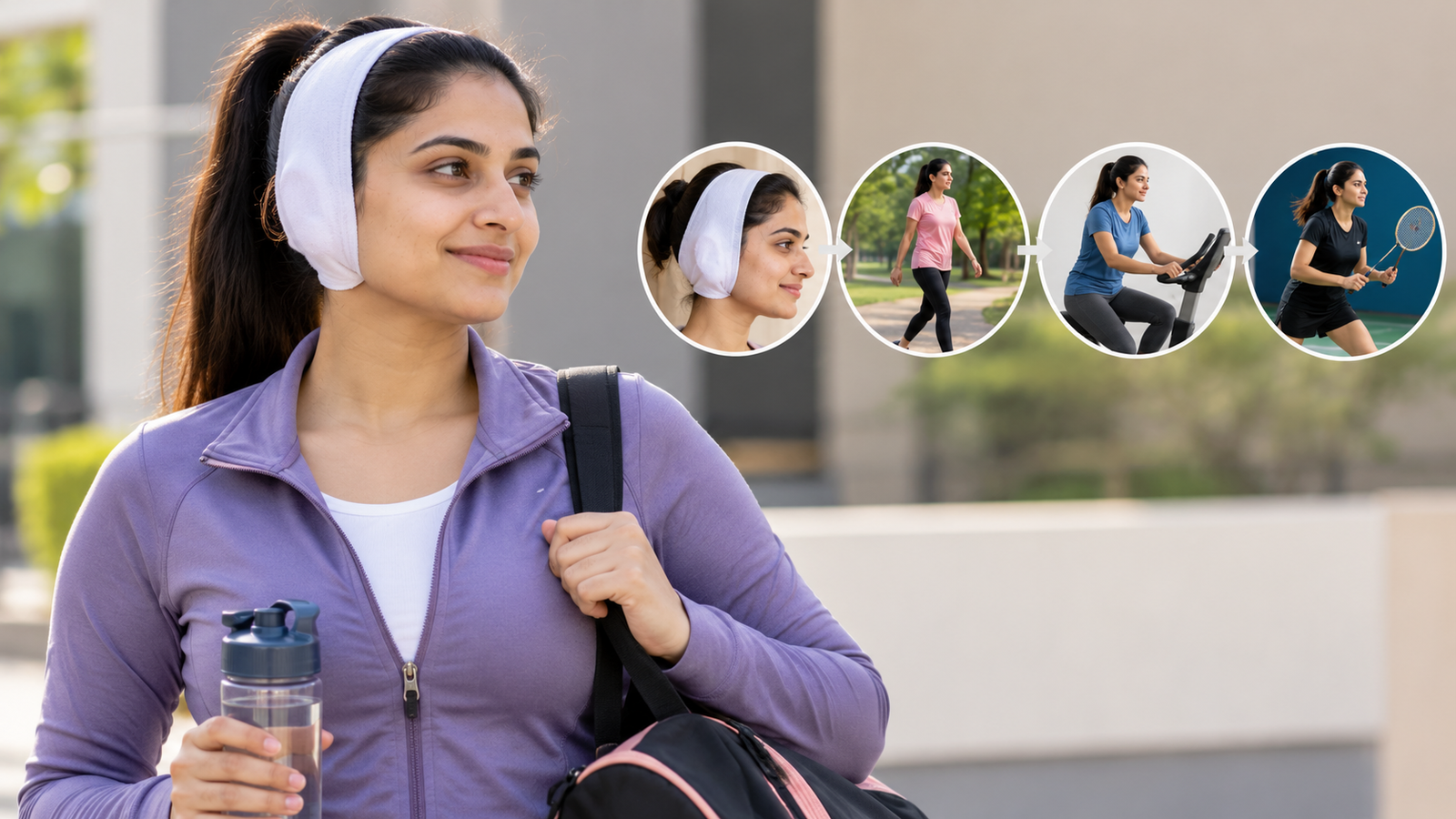
Exercise after otoplasty should resume gradually to protect healing ear cartilage, incisions and internal sutures. Gentle walking is often possible within the first few days, while strenuous workouts usually require several weeks of recovery. Contact sports may need to be avoided for six weeks or longer. The safest return depends on healing and your surgeon's clearance.
Patients undergoing ear correction surgery often want to know when they can return to the gym, go running, swim or participate in sports.
This is especially important for children returning to school activities and adults who follow regular fitness routines.
Although otoplasty does not usually involve a long hospital stay, the ears remain sensitive to pressure, accidental bending and injury during early healing.
Why Should You Avoid Strenuous Exercise After Otoplasty?
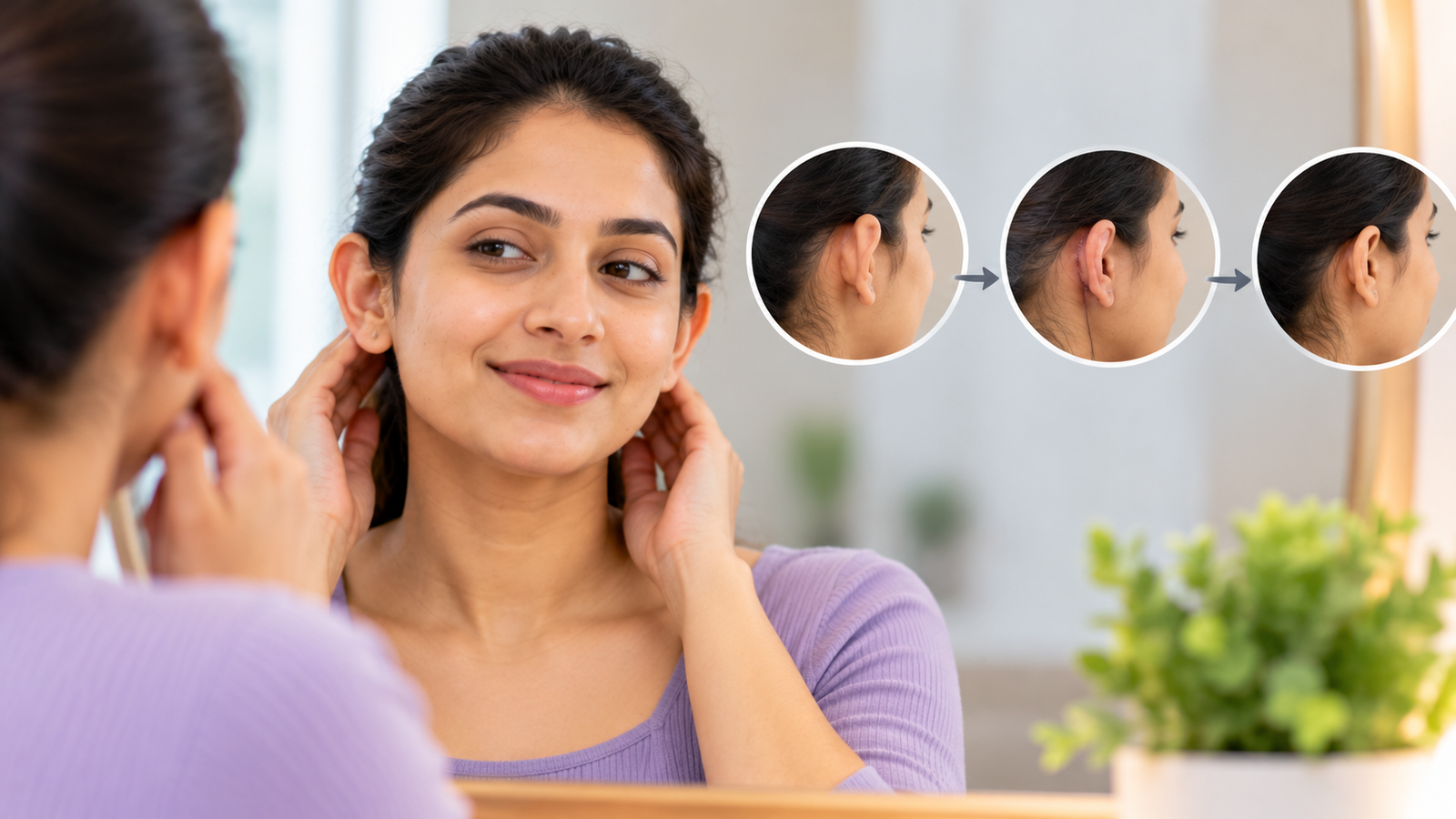
Otoplasty, also known as ear pinning or ear reshaping surgery, changes the position or shape of the external ears.
Depending on the technique, the surgeon may reshape cartilage, create a new ear fold or use internal sutures to maintain the corrected position.
During early recovery, physical exertion can increase blood pressure and may worsen swelling or bleeding.
Exercise can also expose the ears to accidental trauma.
Potential concerns include:
-
Increased swelling
-
Postoperative bleeding
-
Pressure on healing incisions
-
Accidental bending or pulling of the ears
-
Irritation from helmets or sports equipment
-
Delayed wound healing
-
Discomfort during vigorous movement
Patients considering the procedure can read the otoplasty surgery guide for an overview of ear correction techniques.
Exercise After Otoplasty: Week-by-Week Recovery Timeline
The appropriate exercise after otoplasty schedule depends on the surgical technique, individual healing and type of activity.
|
Recovery Period |
Activities That May Be Appropriate |
Activities to Avoid |
|---|---|---|
|
Days 1–3 |
Short, gentle walks around the home |
Gym workouts, running, lifting and sports |
|
Days 4–7 |
Comfortable walking and light daily movement |
Strenuous exercise and activities involving ear pressure |
|
Week 2 |
Longer walks and selected light activities with approval |
Heavy lifting, intense cardio and contact sports |
|
Weeks 3–4 |
Gradual return to some low-impact exercise if cleared |
Activities that risk ear injury |
|
Weeks 4–6 |
More demanding non-contact exercise may resume with approval |
Contact sports unless specifically cleared |
|
After 6 weeks |
Gradual return to additional sports if healing is adequate |
Any activity still restricted by the surgeon |
|
Following months |
Normal activity for many patients |
Activities causing pain, pressure or trauma to healing ears |
This timeline is a general guide, not permission to resume a particular sport.
Patients with complications, extensive cartilage correction or delayed healing may require longer restrictions.
Can You Walk After Otoplasty Surgery?
Gentle walking is often encouraged during the early postoperative period.
Short walks can support general mobility without placing substantial strain on the ears.
During the first few days:
-
Walk slowly and comfortably.
-
Avoid becoming overheated.
-
Do not bend repeatedly or strain.
-
Avoid crowded areas where the ears may be bumped.
-
Stop if you feel dizzy, uncomfortable or unwell.
Walking should not cause significant pain or increased swelling.
If your surgeon has recommended additional restrictions, follow those instructions.
When Can You Go to the Gym After Ear Surgery?
Returning to the gym depends on the type and intensity of exercise.
Some patients may resume selected low-impact activities after approximately two to four weeks, while heavier workouts may require four to six weeks or longer.
Light Cardio
Gentle treadmill walking may be appropriate earlier than vigorous exercise.
Avoid activities that produce excessive strain or discomfort.
Weight Training
Heavy lifting can increase blood pressure and may worsen postoperative swelling or bleeding risk during early recovery.
Wait until the surgeon confirms that resistance training is safe.
High-Intensity Interval Training
HIIT workouts involve rapid movement and intense exertion.
These activities should generally be postponed until healing is sufficiently established.
Group Fitness Classes
Crowded classes may increase the risk of accidental contact with the ears.
Consider returning gradually and avoiding activities that involve head pressure.
When Can You Start Running After Otoplasty?
Running creates repeated movement and increases heart rate and blood pressure.
Patients may be advised to wait several weeks before resuming running, depending on healing and the surgeon's instructions.
When cleared to restart:
-
Begin with a short, easy session.
-
Avoid high-intensity intervals initially.
-
Choose environments where accidental contact is unlikely.
-
Avoid tight headwear that presses against the ears.
-
Stop if swelling, pain or throbbing develops.
Do not use the absence of pain as the only indication that the ears are fully healed.
When Can You Swim After Otoplasty?
Swimming requires particular caution because the ears and incisions may be exposed to water.
Patients should avoid swimming until the surgical wounds have healed and the surgeon has confirmed that immersion is safe.
Potential concerns include:
-
Infection from contaminated water
-
Irritation around healing incisions
-
Pressure from swimming caps
-
Accidental contact with other swimmers
-
Discomfort from repeated head movements
Some patients may be cleared after several weeks, but there is no universal timeline.
Swimming pools, lakes and other natural water bodies may present different exposure risks.
Patients should not return to swimming simply because the initial dressing has been removed.
When Are Contact Sports Safe After Otoplasty?
Contact sports after otoplasty require greater caution than walking or non-contact exercise.
Sports involving direct physical contact can place substantial force on the ears.
Examples include:
-
Football
-
Basketball
-
Wrestling
-
Boxing
-
Martial arts
-
Rugby
-
Kabaddi
-
Other activities involving collisions or grappling
Many surgeons restrict contact sports for at least six weeks, and some patients may require longer.
The exact duration depends on cartilage healing, incision recovery and the risk of direct ear injury.
A headband does not make contact sports safe before the surgeon has provided clearance.
Can Children Return to School Sports After Otoplasty?
Children may return to classroom activities before they are ready for physical education or competitive sports.
The sports after ear surgery timeline should be discussed with parents, teachers and the treating surgeon.
Children may need temporary restrictions on:
-
Physical education classes
-
Playground games
-
Rough play
-
Team sports
-
Swimming lessons
-
Activities involving helmets
-
Games where the ears may be pulled or bumped
Parents should inform school staff about the child's postoperative restrictions.
For more information about returning to school, read Sleeping, Work and School After Ear Surgery.
Can You Wear a Helmet After Otoplasty?
Helmets can apply pressure to the external ears.
During early healing, tight helmets may irritate incisions or bend the ears.
Patients should ask their surgeon when they can safely resume activities requiring helmets, including:
-
Cycling
-
Motorcycling
-
Cricket
-
Skating
-
Certain workplace activities
Do not loosen or modify a safety helmet in a way that compromises protection.
If a helmet cannot be worn correctly without pressing painfully on the ears, postpone the activity until safe use is possible.
Should You Wear a Headband During Exercise?
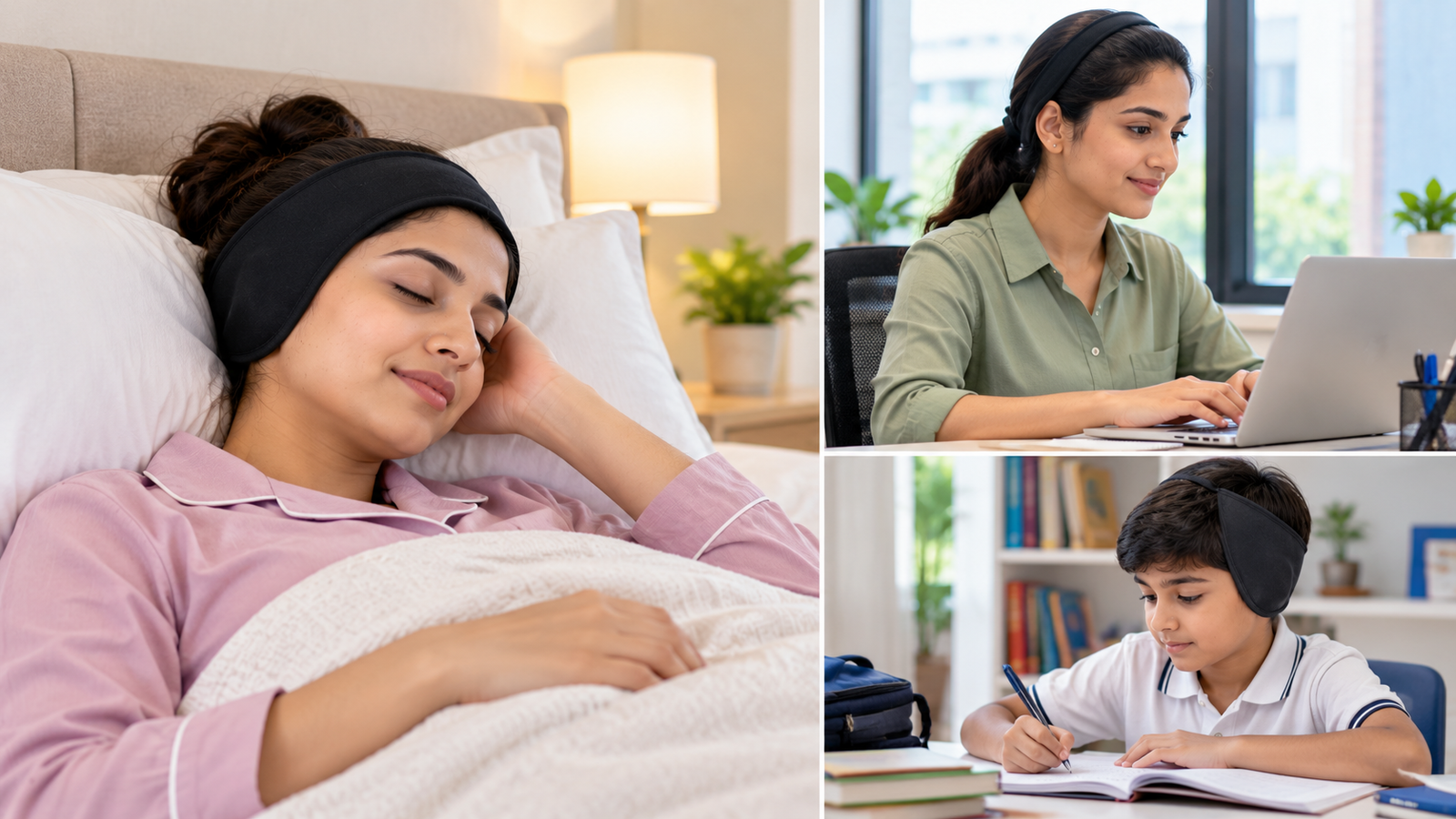
A protective headband may be recommended during otoplasty recovery, especially while sleeping.
However, the headband's purpose is to protect the healing ears from accidental bending or pressure.
It is not a substitute for surgical clearance to exercise.
A tight sports headband may cause discomfort or place excessive pressure on healing tissues.
Patients should use only the type of headband recommended by their surgeon.
Read Headband After Otoplasty: Why and How Long for more information.
What Happens if You Exercise Too Early After Ear Surgery?
Resuming strenuous activity too soon may increase discomfort or contribute to postoperative complications.
Possible problems include:
-
Increased swelling
-
Throbbing pain
-
Bleeding
-
Irritation around the incision
-
Accidental injury to the ear
-
Delayed recovery
However, one brief episode of light activity does not automatically mean the surgical result has been affected.
If symptoms develop after exercise, stop the activity and contact your surgical team.
Sudden swelling, severe pain or bleeding requires prompt assessment.
Can Exercise Change the Shape of Your Ears After Otoplasty?
Normal gentle movement does not usually change the surgical result.
However, direct trauma, forceful bending or pulling of the ears during healing may affect the surgical area.
The risk depends on the procedure, internal sutures and stage of recovery.
Patients should avoid activities that could expose the ears to direct impact until healing is adequate.
Long-term ear position also depends on cartilage characteristics, surgical technique and individual healing.
How Do You Know When You Are Ready to Exercise Again?
Before restarting exercise after otoplasty, patients should confirm that recovery is progressing normally.
Signs that may support readiness include:
-
Incisions are healing appropriately.
-
Swelling has improved.
-
Pain is manageable.
-
There is no active bleeding or unusual discharge.
-
Protective dressings are no longer required for the planned activity.
-
The surgeon has approved the specific level of exercise.
Even when these conditions are met, patients should return gradually rather than immediately resuming their previous training intensity.
How to Return to Your Fitness Routine Safely
A gradual approach helps patients assess comfort and avoid unnecessary strain.
Start With Low-Impact Movement
Begin with activities such as comfortable walking.
Increase Intensity Slowly
Progress only when the previous activity level causes no concerning symptoms.
Avoid Direct Ear Pressure
Do not use equipment that presses tightly against healing ears.
Maintain Hydration
Drink sufficient fluids during recovery and physical activity.
Avoid Overheating
Excessive heat and intense exertion may temporarily increase swelling.
Follow the Surgeon’s Instructions
Individual postoperative advice takes priority over general recovery schedules.
Patients preparing for surgery can review Preparing for Facial Cosmetic Surgery.
When Should You Stop Exercising and Contact Your Surgeon?
Stop exercising and seek medical advice if you experience:
-
Sudden or rapidly increasing ear swelling
-
Severe or worsening pain
-
Bleeding from the surgical area
-
New wound separation
-
Unusual discharge
-
Spreading redness
-
Fever
-
Skin becoming unusually dark or pale
-
Sudden changes in ear position after trauma
Do not continue exercising through significant pain or unusual swelling.
Exercise and Otoplasty Recovery Consultation With Dr. Ashutosh Shah
At Elegance Clinic, Dr. Ashutosh Shah discusses surgical techniques, expected recovery and postoperative activity restrictions with patients considering ear correction surgery. Patients asking about exercise after otoplasty can discuss their gym routines, sports participation, school activities and helmet requirements during consultation and follow-up. The recommended return-to-activity schedule depends on the procedure, healing progress and risk of ear injury.
Conclusion
Exercise after otoplasty should resume gradually to protect healing cartilage, incisions and internal sutures.
Gentle walking is often possible within the first few days, while gym workouts, running and swimming generally require additional recovery time.
Contact sports and activities involving direct ear pressure may need to be avoided for six weeks or longer.
The safest timeline depends on the surgical technique, individual healing and surgeon's instructions.
Patients should attend postoperative follow-up appointments and obtain medical clearance before returning to strenuous activities.
For information about ear correction surgery and consultation options, visit Elegance Face Makeover