
Back to Work and Social Life After a Facelift
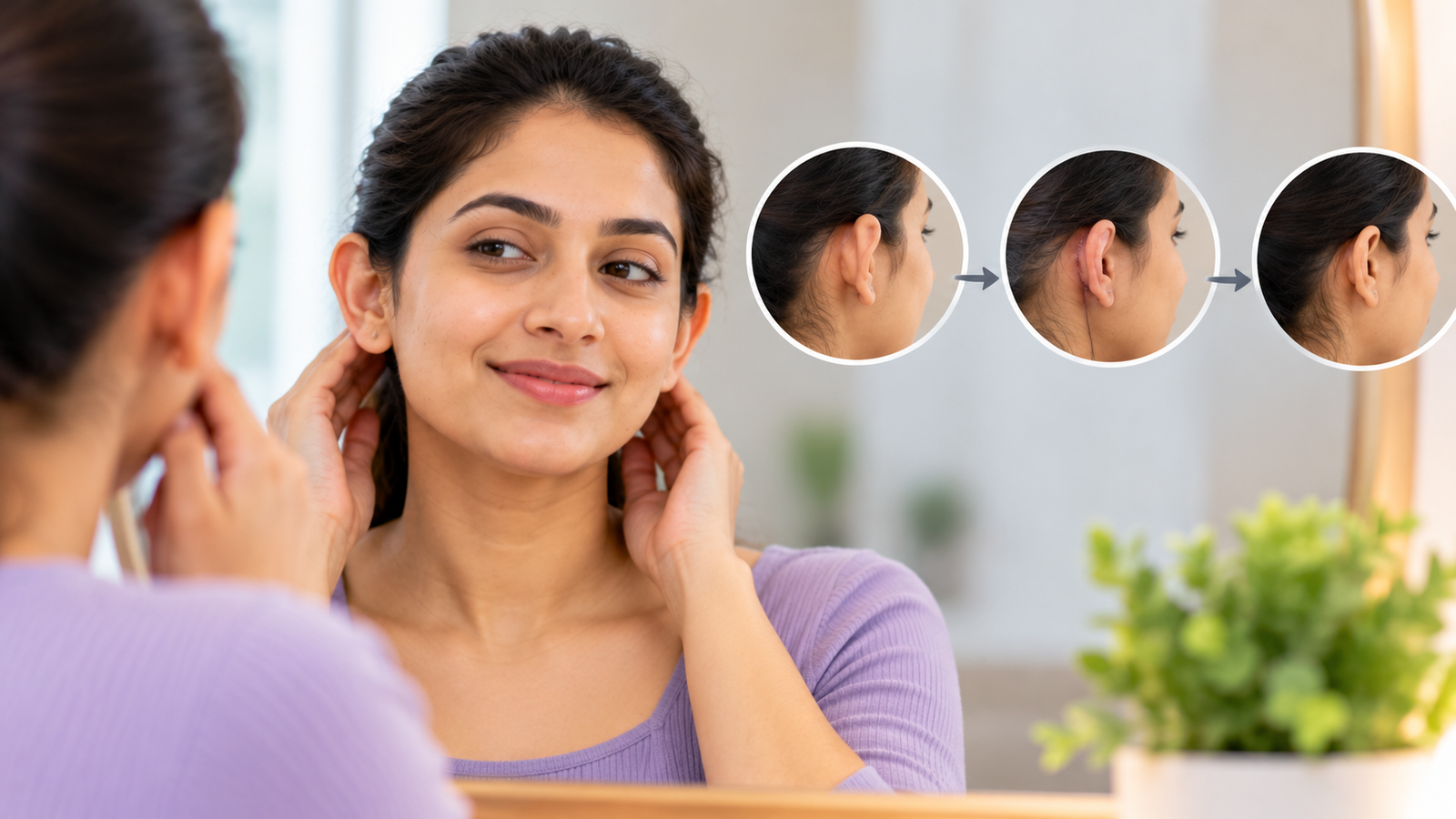
Facelift recovery time varies depending on the surgical technique, individual healing and daily activities. Many patients return to desk-based work within two to three weeks, while social activities may become comfortable as swelling and bruising improve. Strenuous exercise usually requires a longer break, and subtle swelling can continue for several months.
One of the most common concerns before facelift surgery is how much time patients need away from their professional and social routines.
Some people can work remotely during early recovery, while others require additional time because their jobs involve physical activity or public interaction.
Understanding the typical recovery stages can help patients plan work commitments, family responsibilities and important social events.
What Is the Average Facelift Recovery Time?
The average facelift recovery time depends on the extent of surgery and the patient's healing response.
Most patients experience noticeable swelling, bruising and tightness during the first one to two weeks.
Visible recovery often improves significantly over the following weeks, but deeper tissues continue healing for several months.
A general recovery pattern includes:
-
First week: Rest, swelling, bruising and limited activities
-
Second week: Reduced bruising and improving comfort
-
Weeks 2–3: Possible return to desk-based work
-
Weeks 3–4: Greater comfort with social activities
-
Weeks 4–6: Gradual return to more demanding activities after clearance
-
Months 3–6: Continued improvement in swelling and facial contours
These are approximate stages, not guaranteed recovery dates.
Patients considering facial rejuvenation can explore the facial cosmetic surgery guide for an overview of treatment options.
Facelift Recovery Timeline: When Can You Resume Normal Activities?
Your facelift recovery timeline
Typical milestones; follow your surgeon's individual instructions.
-
Days 1–3: Rest and early healing
Swelling, bruising and tightness are common. Focus on rest, short gentle walks and postoperative care. Avoid work and social commitments.
-
Days 4–7: Gradual improvement
Swelling may begin to settle, although bruising can remain visible. Continue avoiding strenuous activities and pressure on healing tissues.
-
Days 8–14: Increasing independence
Many patients feel more comfortable with everyday tasks. Some may be ready for limited remote work, but visible bruising and fatigue may persist.
-
Weeks 2–3: Return to desk-based work
Patients with uncomplicated recovery may resume office work, depending on comfort, appearance, job demands and surgical clearance.
-
Weeks 3–4: Social confidence improves
Bruising and noticeable swelling have often decreased. Many patients feel more comfortable attending small gatherings.
-
Weeks 4–6: More normal routines
Exercise and physically demanding activities may be reintroduced gradually when the surgeon confirms adequate healing.
-
Months 3–6 and beyond: Continued refinement
Residual swelling, numbness, firmness and scar changes may continue improving. Final results can take longer to settle.
When Can You Return to Work After a Facelift?
The decision to return to work after facelift surgery depends on the type of work involved.
Patients with sedentary jobs generally return sooner than those whose jobs require lifting, bending or strenuous physical activity.
Desk-Based Office Work
Many patients plan approximately two to three weeks away from the office.
Returning may be possible when:
-
Swelling and bruising have improved sufficiently
-
Pain is controlled without sedating medication
-
The patient feels comfortable concentrating
-
Follow-up appointments have been completed as required
-
The surgeon confirms that recovery is progressing normally
Work From Home
Remote work may be possible earlier for selected patients.
However, working from home does not eliminate the need for rest.
Long working hours, poor sleep and stress may interfere with recovery.
Patients should avoid returning prematurely simply because their job is computer-based.
Physically Demanding Jobs
Jobs involving lifting, bending, heavy equipment or prolonged physical exertion may require a longer recovery period.
Patients may need four to six weeks or more before resuming demanding tasks, depending on the procedure and surgical advice.
Customer-Facing and Public-Facing Jobs
People working in sales, hospitality, teaching, media or other public-facing roles may prefer additional time for visible swelling and bruising to settle.
For these patients, appearance-related downtime can be as important as physical recovery.
How Much Downtime After Facial Surgery Should You Plan?
Downtime after facial surgery varies by procedure.
A facelift often requires more recovery time than some minimally invasive facial treatments.
|
Facial Procedure |
Approximate Time Before Returning to Desk Work |
Recovery Considerations |
|---|---|---|
|
Facelift |
2–3 weeks |
Swelling, bruising, tightness and incision healing |
|
Neck lift |
1–3 weeks |
Neck tightness, swelling and movement restrictions |
|
Eyelid surgery |
1–2 weeks |
Eyelid swelling, bruising and visual comfort |
|
Brow lift |
1–2 weeks |
Forehead swelling and possible bruising around the eyes |
|
Facial fat grafting |
Several days to 2 weeks or longer |
Swelling at treatment and donor sites |
These ranges are general estimates. Combined procedures may require longer recovery.
Patients considering eyelid rejuvenation can review eyelid lift surgery.
For volume restoration procedures, see the facial fat grafting guide.
When Can You Attend Social Events After a Facelift?
Many patients feel more comfortable attending social gatherings after approximately three to four weeks.
However, the ideal timing depends on the event and individual recovery.
Small Family Gatherings
Short, low-stress gatherings may be manageable earlier if the patient feels well and the surgeon has not restricted the activity.
Weddings and Important Celebrations
Patients planning surgery before a wedding or another major event should allow more time than the minimum recovery period.
Although visible bruising often improves within a few weeks, residual swelling can affect facial appearance for months.
Planning surgery several months before a major event may provide a more comfortable margin for healing.
Professional Photography
Photographs can make residual swelling or facial asymmetry more noticeable.
Patients seeking a more settled appearance for professional photography should discuss their timeline with the surgeon.
How Long Do Swelling and Bruising Affect Social Confidence?
Swelling and bruising are among the main reasons patients delay returning to social activities.
During the first few days, the face may appear puffy or unusually tight.
Bruising may develop around the cheeks, jawline and neck.
Most visible bruising improves within approximately two to three weeks, although some patients need longer.
Subtle swelling may persist for several months.
Patients concerned about these symptoms can read Swelling and Bruising After Facial Surgery: Timeline for a detailed recovery guide.
Can You Wear Makeup After Facelift Surgery?
Makeup may help conceal residual bruising once the surgeon confirms that it is safe.
However, cosmetic products should not be applied over unhealed incisions.
Applying or removing makeup too aggressively may irritate healing tissues.
Patients should follow instructions regarding:
-
When makeup can be resumed
-
Which areas should remain free of products
-
Gentle cleansing techniques
-
Avoiding pressure near incisions
-
Sun protection during recovery
The timing depends on incision healing and the specific procedure.
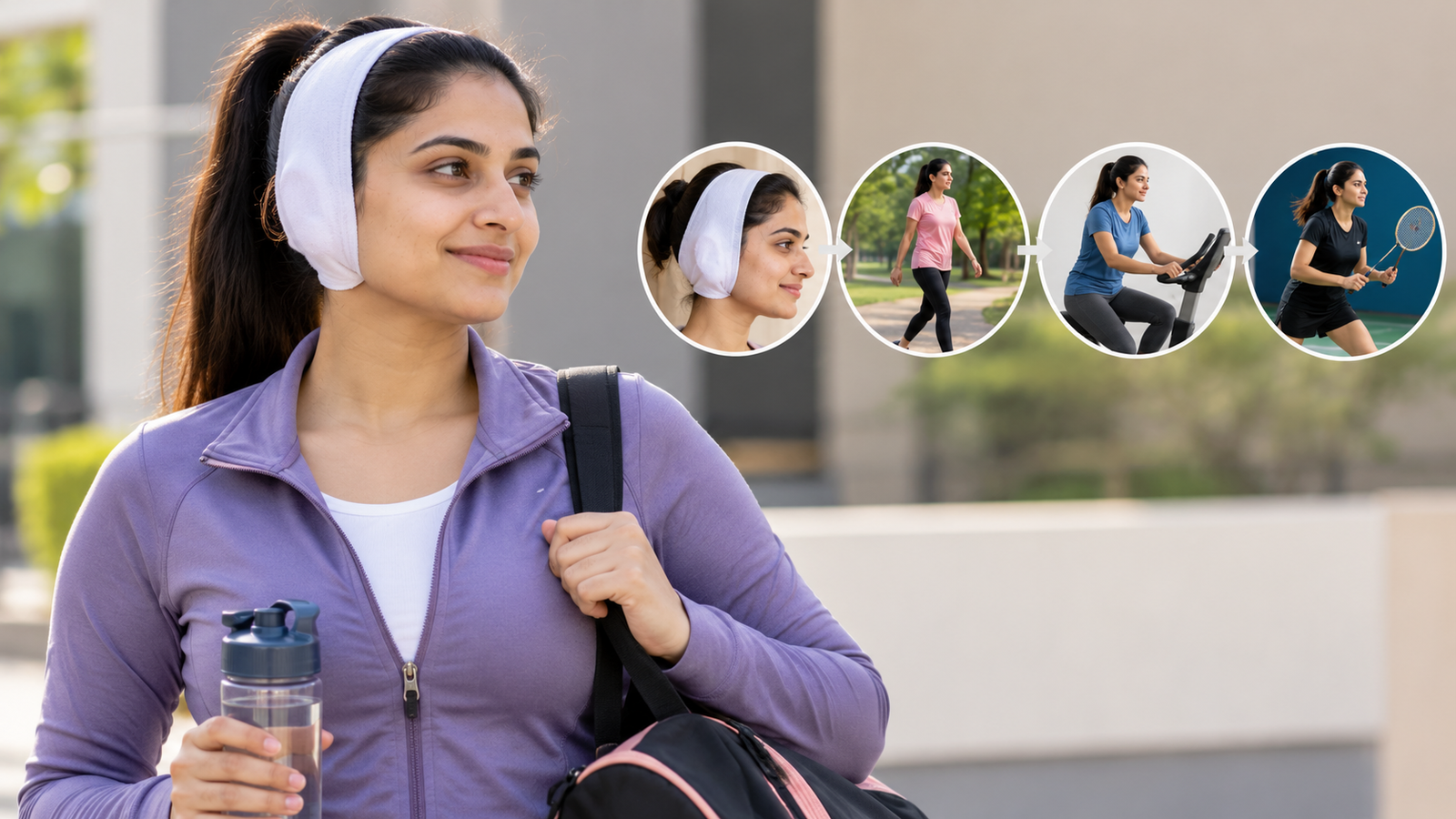
When Can You Start Exercising After a Facelift?
Physical activity should resume gradually.
Heavy exercise can increase blood pressure and may worsen swelling or bleeding risk during early healing.
|
Activity |
General Recovery Guidance |
|---|---|
|
Short, gentle walks |
Often encouraged within the first few days |
|
Light household activities |
Gradually as comfort improves |
|
Gentle stretching |
Only when it does not strain operated areas and is approved |
|
Brisk walking |
When cleared by the surgeon |
|
Gym workouts |
Often delayed for several weeks |
|
Heavy lifting |
Usually restricted during early healing |
|
High-intensity exercise |
Resume only after surgical clearance |
Patients should stop an activity and contact their surgical team if they experience unusual pain, swelling or bleeding.
Can You Travel During Facelift Recovery?
Travel planning is an important part of facelift recovery time, especially for patients travelling for surgery.
Long journeys soon after an operation can be uncomfortable and may interfere with follow-up care.
Patients should consider:
-
The need for postoperative reviews
-
Wound and dressing care
-
Swelling during prolonged travel
-
Limited ability to lift luggage
-
Risks associated with prolonged immobility
-
Access to medical care if complications develop
Air travel should be discussed with the surgeon, particularly after extensive procedures or when additional medical risk factors are present.
Do not assume that feeling well enough to travel means healing is complete.
How Can You Prepare for Returning to Work?
Planning before surgery can reduce pressure during recovery.
Arrange Sufficient Leave
Avoid scheduling surgery immediately before an important deadline or major work event.
Consider a Gradual Return
Some patients benefit from shorter working hours or remote work before returning to a full schedule.
Avoid Heavy Lifting
Patients whose jobs involve physical exertion should discuss temporary modifications with their employer.
Plan Follow-Up Visits
Postoperative appointments remain important even when the patient feels ready to return to work.
Allow for Individual Healing
Recovery does not follow an identical schedule for everyone.
A patient who feels comfortable after two weeks may have a different experience from someone who needs additional rest.
For broader preparation advice, review Preparing for Facial Cosmetic Surgery.
What Can Delay Facelift Recovery?
Several factors may affect the recovery process.
These include:
-
Extensive surgical correction
-
Combined facial procedures
-
Smoking or nicotine exposure
-
Poorly controlled medical conditions
-
Postoperative bleeding or infection
-
Individual differences in swelling
-
Inadequate rest
-
Returning to strenuous activities too early
Patients should disclose relevant medical conditions, medications and supplements before surgery.
Following postoperative instructions can reduce avoidable risks, although complications can still occur.
Will You Look Natural When You Return to Social Activities?
Facial appearance changes gradually during recovery.
Early swelling can temporarily make the cheeks or jawline appear fuller.
Tightness, numbness and mild asymmetry may also be noticeable.
As healing progresses, facial contours generally become more defined and natural-looking.
However, the final appearance depends on surgical planning, anatomy and individual healing.
Patients concerned about postoperative appearance can explore Will You Look Natural After Facial Surgery?.
When Should You Contact Your Surgeon During Recovery?
Some discomfort and swelling are expected, but certain symptoms need prompt medical attention.
Contact your surgical team urgently if you experience:
-
Sudden or rapidly increasing facial swelling
-
Severe or worsening pain
-
Significant bleeding
-
Fever or spreading redness
-
Pus or unusual wound discharge
-
Skin becoming unusually dark or pale
-
Wound separation
-
New facial weakness
Difficulty breathing, chest pain or other potentially life-threatening symptoms require emergency care.
Do not return to work or strenuous activities while experiencing concerning postoperative symptoms.
Planning Facelift Recovery With Dr. Ashutosh Shah
At Elegance Clinic, Dr. Ashutosh Shah discusses surgical options, expected downtime, postoperative care and individual recovery considerations with patients planning facial rejuvenation. Patients concerned about facelift recovery time can discuss their occupation, upcoming social commitments, travel plans and activity requirements before surgery. This helps establish realistic expectations about returning to daily routines while allowing adequate time for healing.
Conclusion
Facelift recovery time varies from person to person, but many patients return to desk-based work within two to three weeks and feel more comfortable with social activities after approximately three to four weeks.
Swelling, bruising and facial tightness gradually improve, while deeper healing may continue for several months.
Planning adequate time away from work, following postoperative instructions and attending follow-up appointments are important parts of recovery.
Patients considering facial rejuvenation should discuss their professional commitments and upcoming social events with their surgeon before scheduling the procedure.
For information about facial cosmetic procedures and consultation options, visit Elegance Face Makeover