Which Facial Procedure Is Right for Your Concern?
Facial cosmetic surgery includes procedures that can improve facial contours, reduce visible signs of ageing, and address specific concerns involving the eyelids, cheeks, jawline, or neck. The right procedure depends on your facial anatomy, skin condition, treatment goals, and overall health. A qualified plastic surgeon can help determine which approach may provide a natural-looking result.
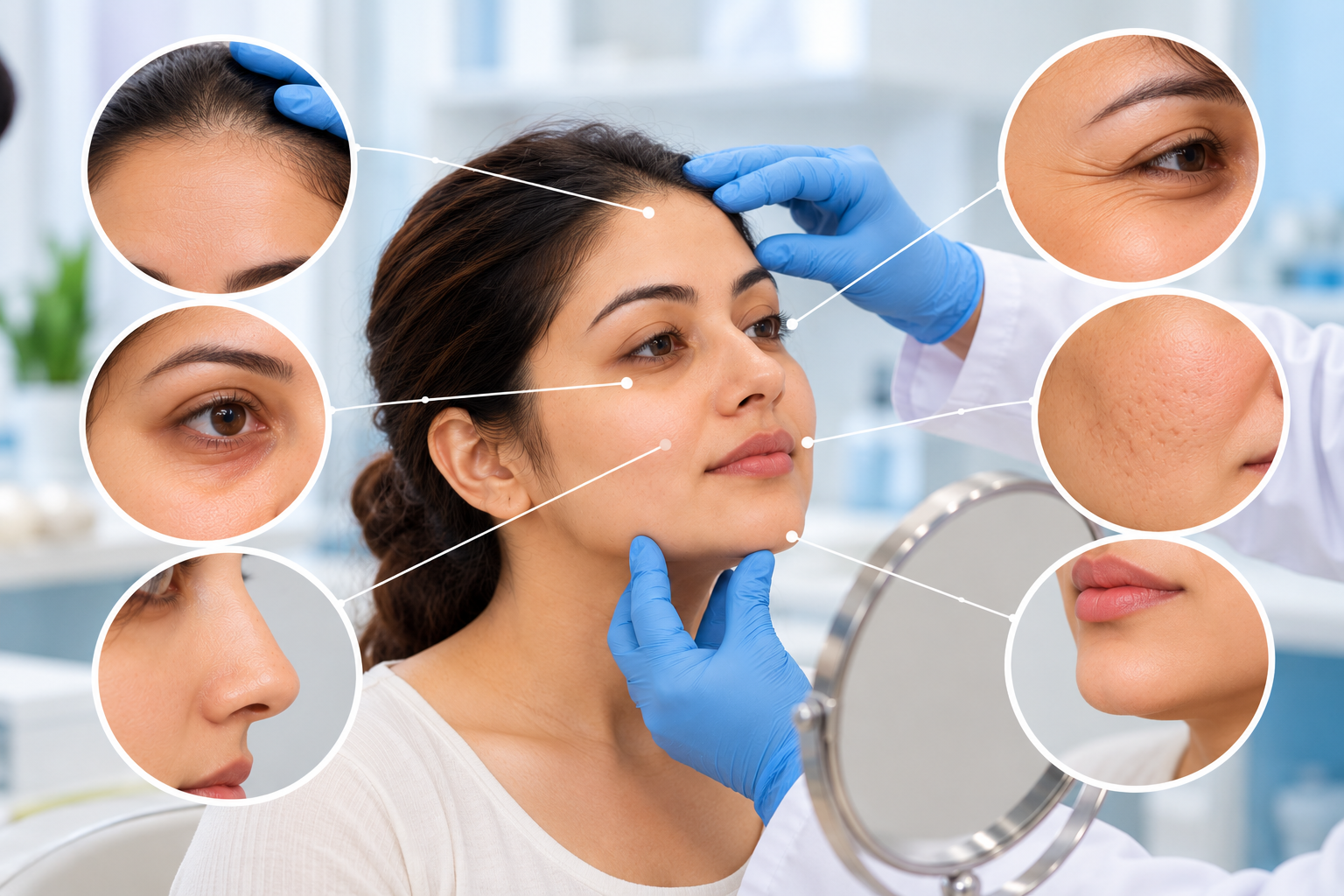
Some people notice sagging cheeks or loose neck skin, while others are concerned about tired-looking eyes, deep wrinkles, or reduced facial volume. These concerns do not always require the same treatment.
Understanding the available face surgery options can help you make an informed decision before scheduling a consultation.
Key Takeaways
-
Facial cosmetic surgery should address your specific concern rather than your age alone.
-
A facelift may improve sagging cheeks and jowls, while a neck lift focuses on loose skin and contour changes around the neck.
-
Eyelid surgery can improve excess eyelid skin or certain types of under-eye bags.
-
Facial fat grafting may restore volume in areas such as the cheeks and temples.
-
Some concerns can be managed with non-surgical treatments.
-
Combining procedures may be appropriate when several facial areas need correction.
-
A personalized assessment is essential for selecting a suitable treatment.
What Is Facial Cosmetic Surgery?
Facial cosmetic surgery refers to surgical procedures designed to improve facial appearance, proportions, contours, or age-related changes.
These procedures may address concerns involving the skin, underlying fat, muscles, or other facial structures.
Common facial procedures include:
-
Facelift surgery
-
Neck lift surgery
-
Eyelid surgery (blepharoplasty)
-
Facial fat grafting
-
Brow lift surgery
-
Rhinoplasty
-
Chin augmentation
-
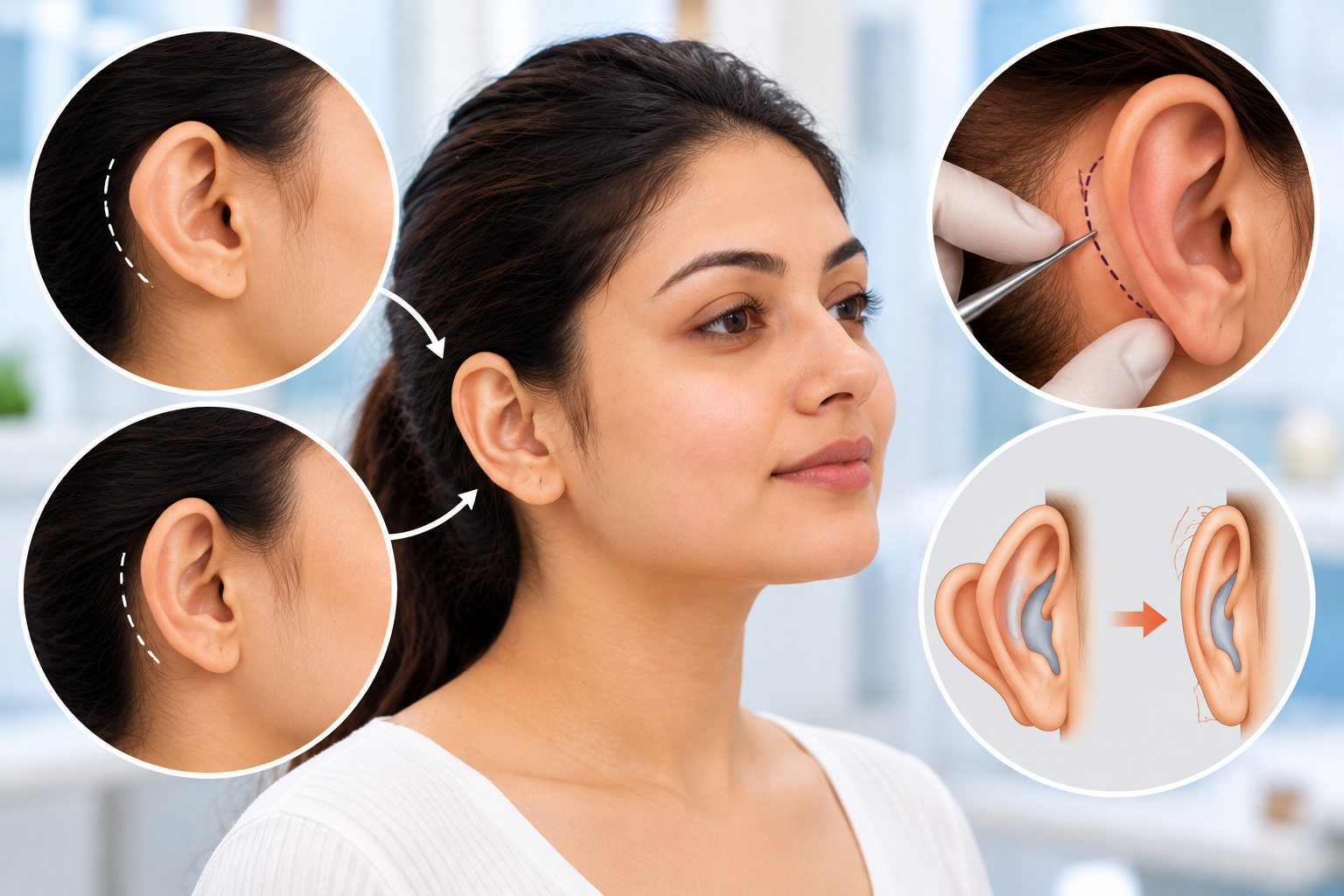
Ear reshaping surgery
Each procedure has a different purpose. For example, a facelift primarily addresses sagging tissues, while fat grafting restores lost facial volume.
The best treatment depends on identifying the underlying cause of your concern.
Which Facial Cosmetic Surgery Is Best for Your Concern?
Different facial changes require different approaches. The following comparison can help you understand which procedures may be discussed during a consultation.
|
Facial concern |
Possible procedure |
Main purpose |
|---|---|---|
|
Sagging cheeks and jowls |
Facelift |
Improve lower-face contours |
|
Loose neck skin |
Neck lift |
Improve neck and jawline definition |
|
Drooping upper eyelids |
Upper blepharoplasty |
Remove excess upper eyelid skin |
|
Under-eye bags |
Lower blepharoplasty |
Address selected causes of under-eye puffiness |
|
Hollow cheeks or temples |
Facial fat grafting |
Restore lost facial volume |
|
Drooping eyebrows |
Brow lift |
Improve eyebrow position |
|
Nose shape concerns |
Rhinoplasty |
Reshape nasal structures |
|
Weak chin projection |
Chin augmentation |
Improve chin proportions |
This table is a general guide, not a diagnosis. Some concerns involve several facial structures and may require a combination of treatments.
1. Facelift Surgery for Sagging Cheeks and Jowls
A facelift is one of the commonly considered procedures for people experiencing moderate to significant sagging in the lower face.
Ageing, genetics, and changes in skin elasticity can contribute to the downward movement of facial tissues.
When might a facelift be suitable?
You may consider discussing facelift surgery if you notice:
-
Sagging skin around the cheeks
-
Visible jowls along the jawline
-
Deepening folds around the lower face
-
Loss of definition between the face and neck
-
Loose facial tissues that do not respond adequately to non-surgical treatments
During surgery, the surgeon may reposition deeper facial tissues and remove excess skin to improve facial contours.
A facelift does not stop ageing or eliminate every wrinkle. The goal is usually to improve sagging while maintaining recognizable facial features.
2. Neck Lift Surgery for Loose Neck Skin
A neck lift focuses on changes affecting the neck and the area beneath the chin.
Some people develop loose neck skin even when the upper face shows relatively few signs of ageing.
When might a neck lift be suitable?
A neck lift may be considered for:
-
Loose or hanging neck skin
-
Visible vertical neck bands
-
Reduced jawline definition
-
Certain contour changes beneath the chin
-
Age-related changes in neck tissues
The procedure may involve tightening underlying structures, removing excess skin, and addressing selected fat deposits.
Patients with both facial and neck sagging may benefit from discussing a combined facelift and neck lift.
However, not everyone requires both procedures.
3. Eyelid Surgery for Tired-Looking Eyes
Eyelid surgery, also known as blepharoplasty, addresses specific changes around the upper or lower eyelids.
These changes may develop because of ageing, genetics, or differences in eyelid anatomy.
Upper eyelid surgery
Upper blepharoplasty may help patients with:
-
Excess upper eyelid skin
-
Heavy-looking upper eyelids
-
Skin folds that affect eyelid appearance
-
In some cases, skin that interferes with the upper visual field
Lower eyelid surgery
Lower blepharoplasty may be considered for:
-
Prominent under-eye fat pads
-
Certain types of under-eye bags
-
Excess lower eyelid skin
-
Selected contour irregularities beneath the eyes
Not all dark circles or tired-looking eyes require surgery. Pigmentation, allergies, volume loss, and other factors may contribute to the appearance.
A proper examination helps distinguish these causes.
4. Facial Fat Grafting for Hollow Cheeks and Volume Loss
Facial ageing does not always involve loose skin.
Some people experience a reduction or redistribution of facial fat, which can create a hollow or tired appearance.
Facial fat grafting is a surgical technique that transfers fat from another area of the body into selected facial regions.
Common treatment areas
-
Cheeks
-
Temples
-
Selected under-eye hollows
-
Nasolabial folds
-
Other areas with reduced facial volume
Fat is typically collected using liposuction techniques, processed, and carefully injected into the planned areas.
Some transferred fat is naturally reabsorbed, and the amount retained varies between patients.
Facial fat grafting may be suitable when volume loss is the primary concern, but it does not replace a facelift when significant skin sagging is present.
5. Brow Lift Surgery for Drooping Eyebrows
A brow lift addresses the position of the eyebrows and selected forehead tissues.
Low-positioned eyebrows can sometimes contribute to a heavy appearance around the upper eyelids.
A brow lift may be considered when:
-
Eyebrows sit lower than desired
-
Brow descent contributes to upper eyelid heaviness
-
The forehead and brow position affect facial expression
-
Eyelid surgery alone would not address the underlying concern
It is important to distinguish excess upper eyelid skin from eyebrow descent.
In some cases, both conditions are present.
The surgeon may recommend a brow lift, eyelid surgery, or a combination based on the examination.
6. Rhinoplasty for Nose Shape and Facial Balance
Rhinoplasty is a facial surgical procedure designed to change selected aspects of nasal shape or structure.
Patients may seek rhinoplasty because of concerns involving:
-
A prominent nasal hump
-
Nasal tip shape
-
Nasal width
-
Nasal asymmetry
-
Changes following injury
Some patients also have breathing difficulties that require a separate functional assessment.
The objective is to create a nose shape that works with the patient's facial proportions while preserving or improving appropriate nasal function.
Rhinoplasty planning requires careful consideration of nasal anatomy, skin characteristics, and realistic expectations.
Can Facial Rejuvenation Surgery Combine Multiple Procedures?
Yes. In selected patients, facial rejuvenation surgery may involve more than one procedure.
For example, a patient may have lower-face sagging, loose neck skin, and under-eye bags.
A facelift alone may not adequately address all these concerns.
Possible combinations include:
-
Facelift with neck lift
-
Facelift with eyelid surgery
-
Facelift with facial fat grafting
-
Brow lift with upper eyelid surgery
Combining procedures may allow several concerns to be addressed during one surgical plan.
However, longer operations can increase certain risks, and combining treatments is not suitable for everyone.
The surgeon must consider medical history, anaesthesia requirements, recovery needs, and overall surgical safety.
Facial Cosmetic Surgery vs Non-Surgical Treatments
Not every facial concern requires an operation.
Non-surgical treatments may be appropriate for mild changes, certain wrinkles, or patients who do not wish to undergo surgery.
|
Concern |
Surgical option |
Non-surgical option |
|---|---|---|
|
Significant facial sagging |
Facelift |
Limited improvement with selected skin-tightening treatments |
|
Loose neck skin |
Neck lift |
Energy-based treatments for selected mild cases |
|
Dynamic forehead wrinkles |
Usually not first-line surgery |
Botulinum toxin injections |
|
Facial volume loss |
Fat grafting |
Dermal fillers |
|
Excess upper eyelid skin |
Blepharoplasty |
Non-surgical options have limited ability to remove excess skin |
|
Mild skin texture changes |
Surgery generally not needed |
Laser resurfacing or other skin treatments |
Non-surgical treatments generally involve less downtime, but their effects and limitations differ from those of surgery.
A consultation can help determine whether a non-surgical approach is reasonable or whether surgery would better address the underlying issue.
How Do You Choose the Right Face Surgery Options?
Choosing among different face surgery options involves more than comparing photographs or selecting a popular procedure.
Step 1: Identify your main concern
Determine what bothers you most.
For example, is your concern related to sagging skin, wrinkles, facial volume, eyelid appearance, or facial proportions?
Step 2: Understand the cause
Similar-looking concerns may have different causes.
A heavy upper eyelid could result from excess skin, eyebrow descent, or an eyelid-position problem.
These conditions require different assessments and sometimes different treatments.
Step 3: Discuss realistic expectations
Facial surgery can improve specific features, but it cannot guarantee perfect symmetry or permanently prevent ageing.
Your surgeon should explain the expected benefits and limitations.
Step 4: Consider recovery requirements
Different procedures involve different recovery periods.
A patient considering surgery should plan for swelling, bruising, follow-up appointments, and temporary activity restrictions.
Step 5: Review medical suitability
Your health, medications, smoking history, previous procedures, and anaesthesia risks can influence the treatment plan.
An individualized surgical assessment is essential before making a decision.
What Is the Recovery Time After Facial Cosmetic Surgery?
Recovery varies depending on the procedure, surgical technique, and individual healing.
|
Procedure |
Approximate initial social recovery |
|---|---|
|
Facelift |
2–3 weeks |
|
Neck lift |
2–3 weeks |
|
Eyelid surgery |
1–2 weeks |
|
Facial fat grafting |
1–2 weeks |
|
Brow lift |
1–2 weeks |
|
Rhinoplasty |
1–2 weeks |
These are broad estimates for when visible swelling or bruising may become more manageable, not complete healing times.
Residual swelling, scar maturation, and final contour changes can continue for several months or longer.
Your surgeon will provide instructions about wound care, exercise, sleeping position, medications, and follow-up visits.
What Are the Risks of Facial Cosmetic Surgery?
All surgical procedures carry risks.
Potential complications may include:
-
Bleeding or haematoma
-
Infection
-
Swelling and bruising
-
Scarring
-
Temporary or persistent changes in sensation
-
Facial asymmetry
-
Wound-healing problems
-
Anaesthesia-related complications
-
Dissatisfaction with the cosmetic outcome
Certain procedures have additional specific risks. For example, facelift surgery can rarely cause facial nerve injury, while eyelid surgery may lead to dry eyes or eyelid-position problems.
Your surgeon should explain the risks relevant to your planned procedure before consent.
Facial Cosmetic Surgery Consultation With Dr. Ashutosh Shah at Elegance Clinic
Dr. Ashutosh Shah at Elegance Clinic provides consultations for patients exploring facial cosmetic surgery and facial rejuvenation procedures.
During a consultation, the patient's concerns, facial anatomy, skin condition, medical history, and treatment expectations can be evaluated.
The discussion may include surgical and non-surgical approaches, potential benefits, limitations, recovery requirements, and possible complications.
The objective is to develop an individualized treatment plan rather than recommend the same procedure to every patient.
Conclusion
Choosing the right facial cosmetic surgery begins with understanding your specific concern.
Sagging skin, hollow cheeks, heavy eyelids, and changes in facial proportions may appear together, but they often require different treatments.
A facelift, neck lift, eyelid surgery, facial fat grafting, or another procedure may be appropriate depending on your anatomy and goals.
Consulting Dr. Ashutosh Shah at Elegance Clinic can help you understand the available treatment options, expected recovery, and potential risks before making a decision.