Will You Look Natural After Facial Surgery?
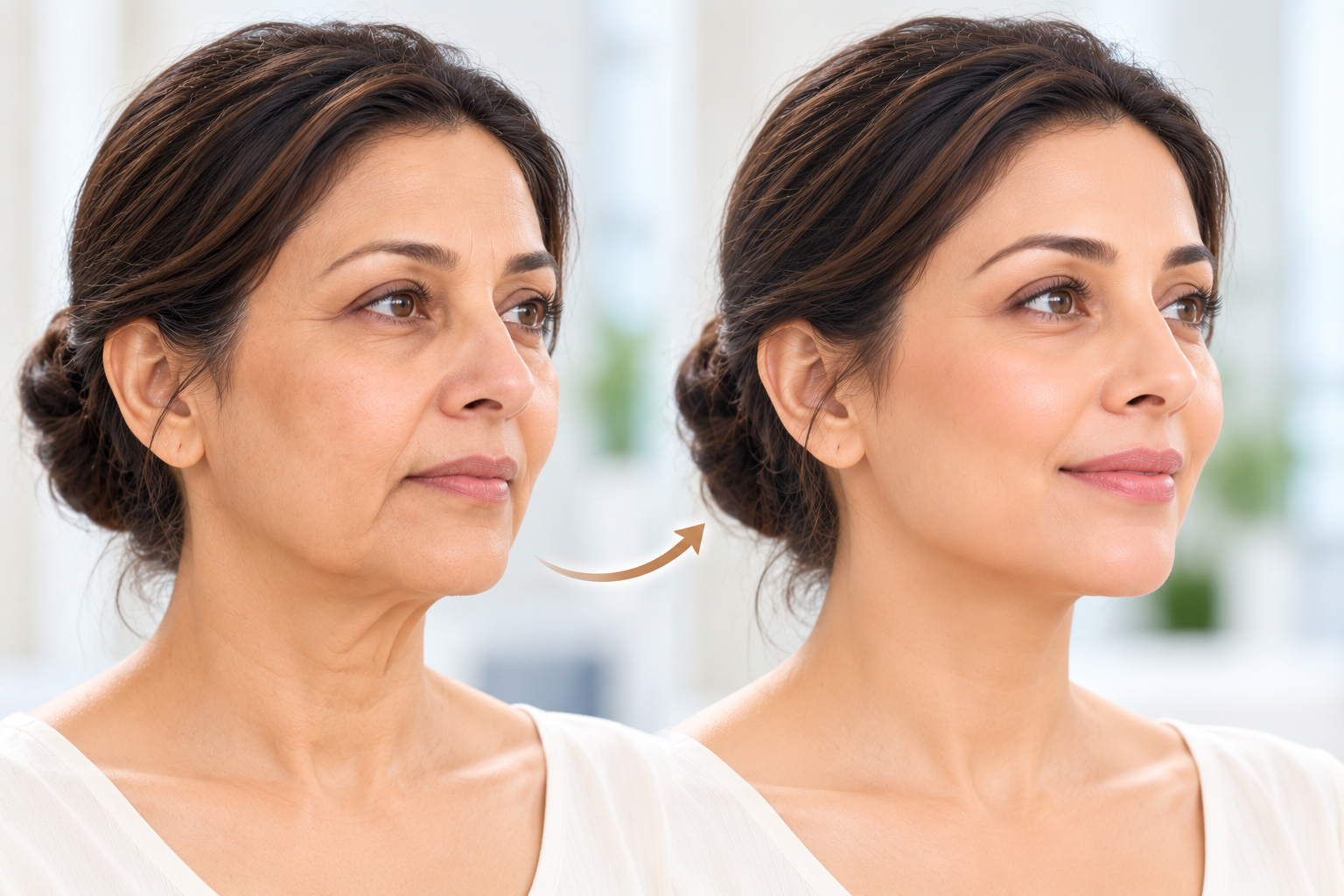
A natural looking facelift aims to improve sagging skin, jowls and facial contours without making the face appear excessively tight or dramatically different. Natural results depend on facial anatomy, appropriate surgical techniques, conservative tissue repositioning and healing. While experienced surgical planning can reduce the risk of an operated appearance, no surgeon can guarantee a specific cosmetic outcome.
Many patients considering facial cosmetic surgery have one important concern: "Will I still look like myself after surgery?"
The goal of well-planned facial rejuvenation is generally to create a refreshed appearance while preserving individual facial characteristics.
Can a Facelift Really Look Natural?
Yes. A facelift can produce natural-looking improvements when the procedure is carefully selected and tailored to the patient's facial anatomy.
Modern facelift techniques often involve repositioning deeper facial tissues rather than relying entirely on pulling the skin tighter.
A natural looking facelift should aim to preserve:
-
Natural facial expressions
-
Individual facial proportions
-
Balanced cheek and jawline contours
-
Normal facial movement
-
A recognisable personal appearance
The objective is not to create a completely different face but to improve selected age-related changes.
Patients considering surgery can explore this facial cosmetic surgery guide to understand which procedures address different facial concerns.
Why Do Some Facelifts Look Tight or Operated?
An unnatural or operated appearance can develop when facial tissues are repositioned inappropriately, excessive tension is placed on the skin or the surgical approach does not suit the patient's anatomy.
Several factors can contribute.
1. Excessive Skin Tension
Pulling the facial skin too tightly can create an unnatural appearance around the cheeks, mouth or ears.
Appropriate facelift planning aims to support deeper tissues while avoiding unnecessary skin tension.
2. Incorrect Tissue Repositioning
Facial tissues naturally descend and change position with age.
Repositioning them in an unsuitable direction may alter facial contours or produce an appearance that does not match the patient's original anatomy.
3. Excessive Volume Addition
Some patients benefit from restoring lost facial volume.
However, adding too much volume through fat grafting or fillers can make the face appear unusually full.
Patients considering volume restoration can read about facial fat grafting and fat survival.
4. Poor Facial Balance
Treating one facial area without considering surrounding structures can create disproportionate results.
For example, improving the lower face without evaluating significant neck laxity may leave an imbalance.
5. Unrealistic Expectations
Patients expecting complete wrinkle removal or a dramatically younger face may request changes that are not anatomically appropriate.
Clear communication about achievable results is essential.
How Do Surgeons Plan a Natural Looking Facelift?
A natural looking facelift requires individualised planning rather than applying the same surgical approach to every patient.
Step 1: Assess Facial Anatomy
The surgeon examines:
-
Cheek position and facial volume
-
Jawline definition
-
Jowl formation
-
Skin elasticity
-
Neck laxity
-
Facial asymmetry
-
Previous cosmetic treatments
Step 2: Identify the Main Cause of Ageing
Not every facial concern requires a facelift.
For example, a patient with hollow cheeks may benefit more from volume restoration, while another with prominent jowls may require tissue lifting.
Understanding the underlying problem helps avoid unnecessary procedures.
Step 3: Choose an Appropriate Surgical Technique
Depending on the patient's anatomy, the surgeon may discuss SMAS-based facelift techniques, deeper tissue repositioning or other approaches.
The most appropriate technique depends on the individual patient; no single technique guarantees a natural result.
Step 4: Preserve Facial Proportions
The surgical plan should consider the relationship between the cheeks, jawline, neck and surrounding facial features.
Patients can explore lower face contouring treatments to understand how facial proportions influence aesthetic planning.
Step 5: Avoid Unnecessary Correction
More surgery does not automatically mean a better result.
Conservative correction may be preferable when facial ageing changes are mild.
What Is the Difference Between a Natural and an Operated Facelift Appearance?
|
Feature |
Natural-Looking Result |
Potentially Operated Appearance |
|---|---|---|
|
Facial contours |
Balanced and refreshed |
Overly tight or distorted |
|
Cheeks |
Appropriate positioning and volume |
Excessive fullness or unusual contour |
|
Jawline |
Improved definition |
Overly sharp or unnatural tension |
|
Skin |
Smooth without excessive pulling |
Stretched appearance |
|
Facial expression |
Individual characteristics preserved |
Appearance may seem altered |
|
Scars |
Strategically positioned and healing well |
Visible, widened or poorly healed scars |
These are general aesthetic differences rather than guaranteed outcomes. Some temporary tightness and swelling are normal during recovery.
Will a Facelift Change Your Facial Expressions?
A properly planned facelift generally aims to preserve normal facial movement and expression.
Facelift surgery primarily repositions skin and supporting facial tissues. It is not intended to eliminate the muscle movements responsible for smiling, speaking or expressing emotions.
However, temporary tightness, numbness and swelling can affect how the face feels or appears during early recovery.
Rarely, injury to facial nerve branches can cause weakness or altered movement, which may be temporary or permanent.
Patients should discuss this risk before surgery.
Can You Look Natural After Combining a Facelift With Other Procedures?
Yes. Combining facial procedures may be appropriate when different areas require correction.
However, combination surgery should be based on actual anatomical needs rather than the assumption that more procedures will create better results.
Facelift and Neck Lift
A facelift addresses selected changes in the lower face, while a neck lift can improve loose neck skin and certain muscle changes.
Combining them may help create a balanced transition between the jawline and neck.
Facelift and Eyelid Surgery
Some patients have both lower facial sagging and excess eyelid skin.
In suitable cases, eyelid lift surgery may be considered alongside facial rejuvenation.
Facelift and Facial Fat Grafting
Facial ageing can involve both tissue sagging and volume loss.
A facelift can reposition sagging tissues, while fat transfer surgery may restore volume in selected areas.
The amount of fat added should be carefully planned to avoid excessive fullness.
Should Every Patient Combine Procedures?
No.
Some patients require only one procedure. Others may benefit from staged treatments rather than combining several operations.
The face makeover treatment order guide explains how different facial procedures can be planned in an appropriate sequence.
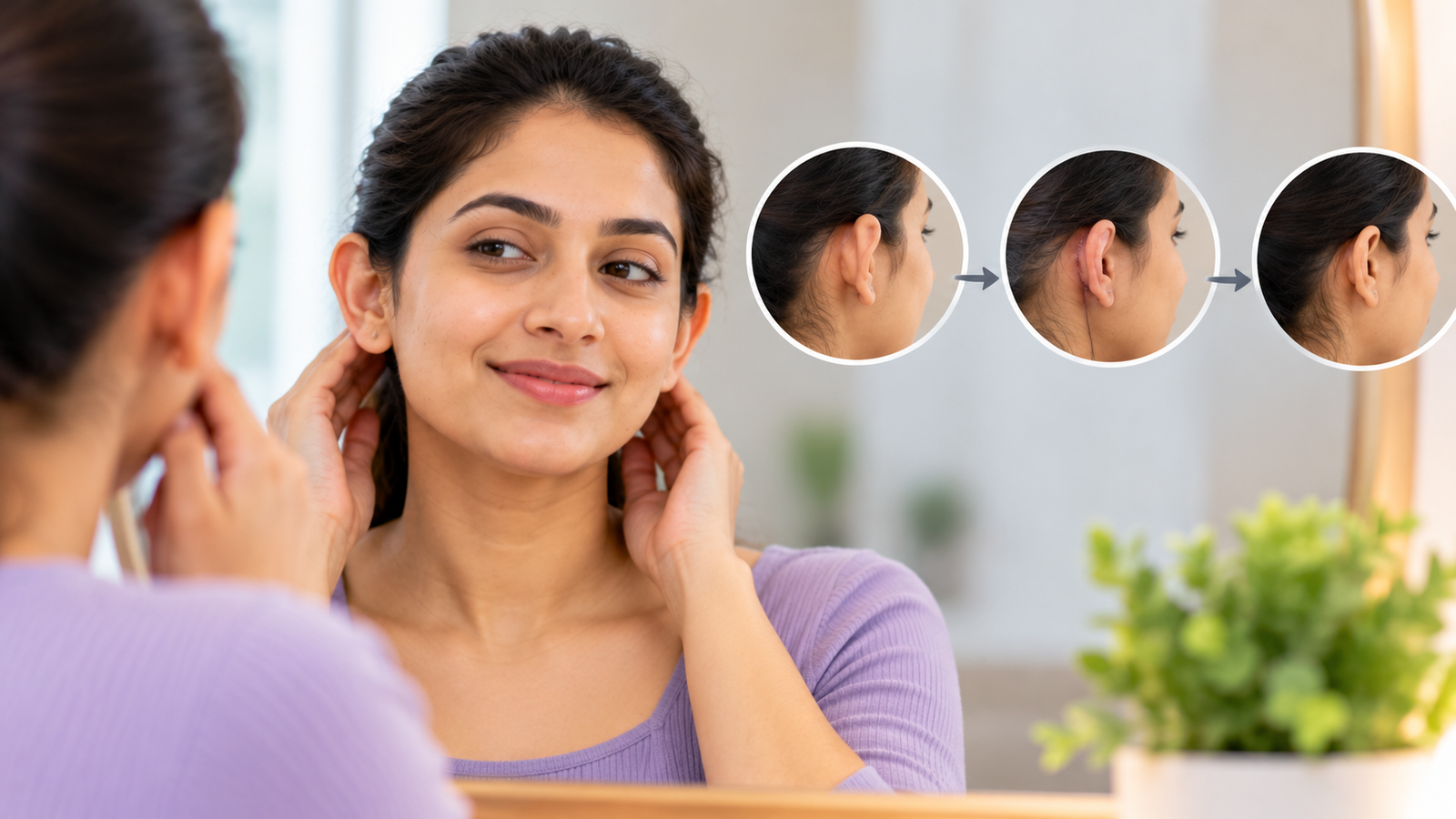
Does a Natural Looking Facelift Mean No Visible Scars?
No. Every surgical facelift involves incisions and produces scars.
Surgeons generally aim to position incisions around natural contours, such as the hairline and areas around the ears, depending on the technique.
Scar appearance depends on:
-
Incision placement
-
Surgical closure technique
-
Skin characteristics
-
Genetics
-
Smoking history
-
Wound healing
-
Postoperative care
Scars often become less noticeable over time, but they do not disappear completely.
How Long Does It Take for Facelift Results to Look Natural?
A natural looking facelift cannot be accurately judged immediately after surgery.
Swelling, bruising and temporary tissue tightness can make the face look different during early recovery.
|
Recovery Stage |
Expected Appearance |
|---|---|
|
Days 1–7 |
Swelling, bruising and tightness are common |
|
Weeks 2–3 |
Much of the visible bruising improves |
|
Weeks 4–6 |
Facial contours become more settled |
|
Months 2–3 |
Residual swelling continues to decrease |
|
Months 3–6 |
More refined facial contours become apparent |
|
Up to 12 months or longer |
Scars and subtle tissue changes continue maturing |
Recovery varies depending on surgical technique, individual healing and whether additional procedures were performed.
Patients should attend scheduled follow-up visits and follow their surgeon's recovery instructions.
How Can You Avoid an Operated Look After Facial Surgery?
Avoiding an operated look begins before surgery.
Choose a Qualified Plastic Surgeon
Review the surgeon's qualifications, relevant experience and approach to facial rejuvenation.
Explain Your Expectations Clearly
Tell your surgeon whether you want subtle improvement or have specific concerns about facial tightness, volume or shape.
Review Relevant Before-and-After Results
Where available and appropriately consented, photographs of patients with similar facial anatomy can help clarify realistic outcomes.
Photographs cannot guarantee your individual result.
Avoid Excessive Procedures
Not every wrinkle, fold or asymmetry requires correction.
A conservative approach may help preserve natural facial characteristics.
Follow Postoperative Instructions
Proper wound care, activity restrictions and follow-up appointments support healing.
Allow Adequate Healing Time
Do not judge the final result during the first few weeks, when swelling and temporary tightness are common.
Is a Facelift Always Necessary for Natural Facial Rejuvenation?
No. Patients with mild facial ageing may be suitable for nonsurgical treatments.
|
Facial Concern |
Possible Treatment |
|---|---|
|
Dynamic forehead wrinkles |
Botulinum toxin injections |
|
Mild facial volume loss |
Dermal fillers or selected fat grafting |
|
Skin texture changes |
Skin resurfacing or other skin treatments |
|
Significant jowls |
Facelift assessment |
|
Loose neck skin |
Neck lift assessment |
|
Excess upper eyelid skin |
Eyelid surgery assessment |
Nonsurgical procedures have their own risks and limitations, and they cannot consistently replace surgical correction of significant tissue sagging.
For concerns involving skin texture and wrinkles, the skin concerns treatment guide explains why different problems require different approaches.
Who Is a Suitable Candidate for a Natural Looking Facelift?
Potential candidates generally include adults who:
-
Have noticeable jowls or lower facial sagging
-
Are in reasonably good general health
-
Have realistic expectations
-
Understand the limitations of surgery
-
Are willing to follow recovery instructions
-
Want improvement while preserving their facial identity
A facelift may not be appropriate for someone with very mild ageing changes, poorly controlled medical conditions or expectations that surgery cannot reasonably meet.
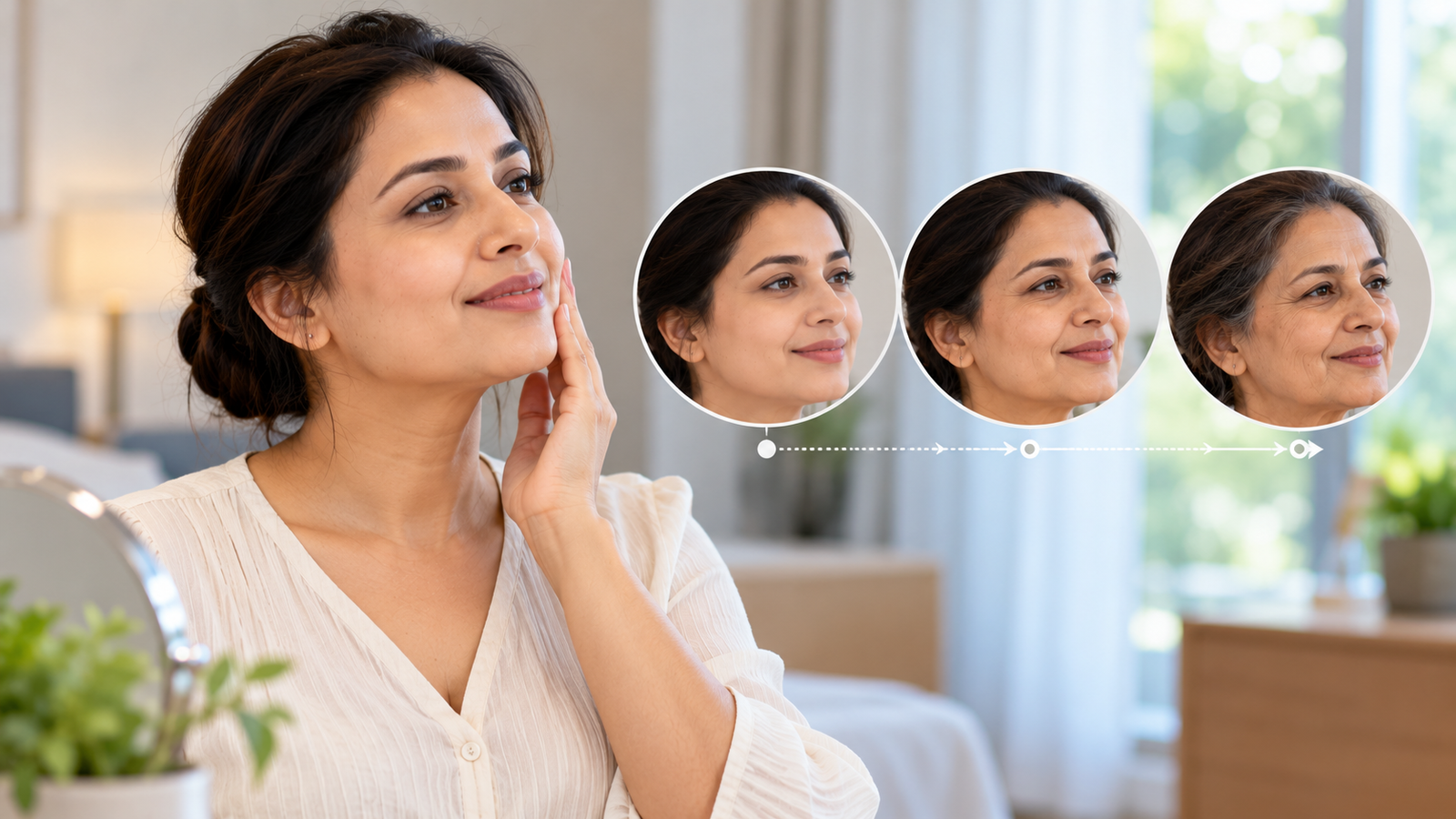
How Does Age Affect Natural Facelift Results?
There is no single ideal age for facelift surgery.
Some patients begin considering facial rejuvenation in their 40s, while others may not require surgery until their 50s, 60s or later.
Age-related factors include:
-
Skin elasticity
-
Facial fat distribution
-
Degree of tissue descent
-
Bone structure
-
Medical fitness
-
Healing capacity
The appropriate timing depends on the individual patient's anatomy and concerns rather than age alone.
Natural Facial Rejuvenation Consultation With Dr. Ashutosh Shah
At Elegance Clinic, Dr. Ashutosh Shah evaluates facial proportions, skin laxity, volume loss and individual treatment goals when discussing facial cosmetic surgery. Patients seeking a natural looking facelift can discuss their concerns about appearing overly tight or noticeably operated on, review suitable surgical and nonsurgical options, and understand the potential risks, recovery requirements and limitations before making a treatment decision.
A personalised consultation helps determine whether facelift surgery, another facial procedure or no surgery is the most appropriate choice.
Conclusion
A natural looking facelift is possible when facial rejuvenation is planned around individual anatomy, balanced proportions and realistic goals.
Avoiding an operated look requires careful surgical assessment, appropriate tissue repositioning, sensible volume correction and sufficient healing time.
The aim should be to improve the signs of facial ageing while respecting the features that make each face unique.
For personalised information about facial cosmetic surgery, visit Elegance Face Makeover