Best Age for a Facelift and Facial Rejuvenation Surgery
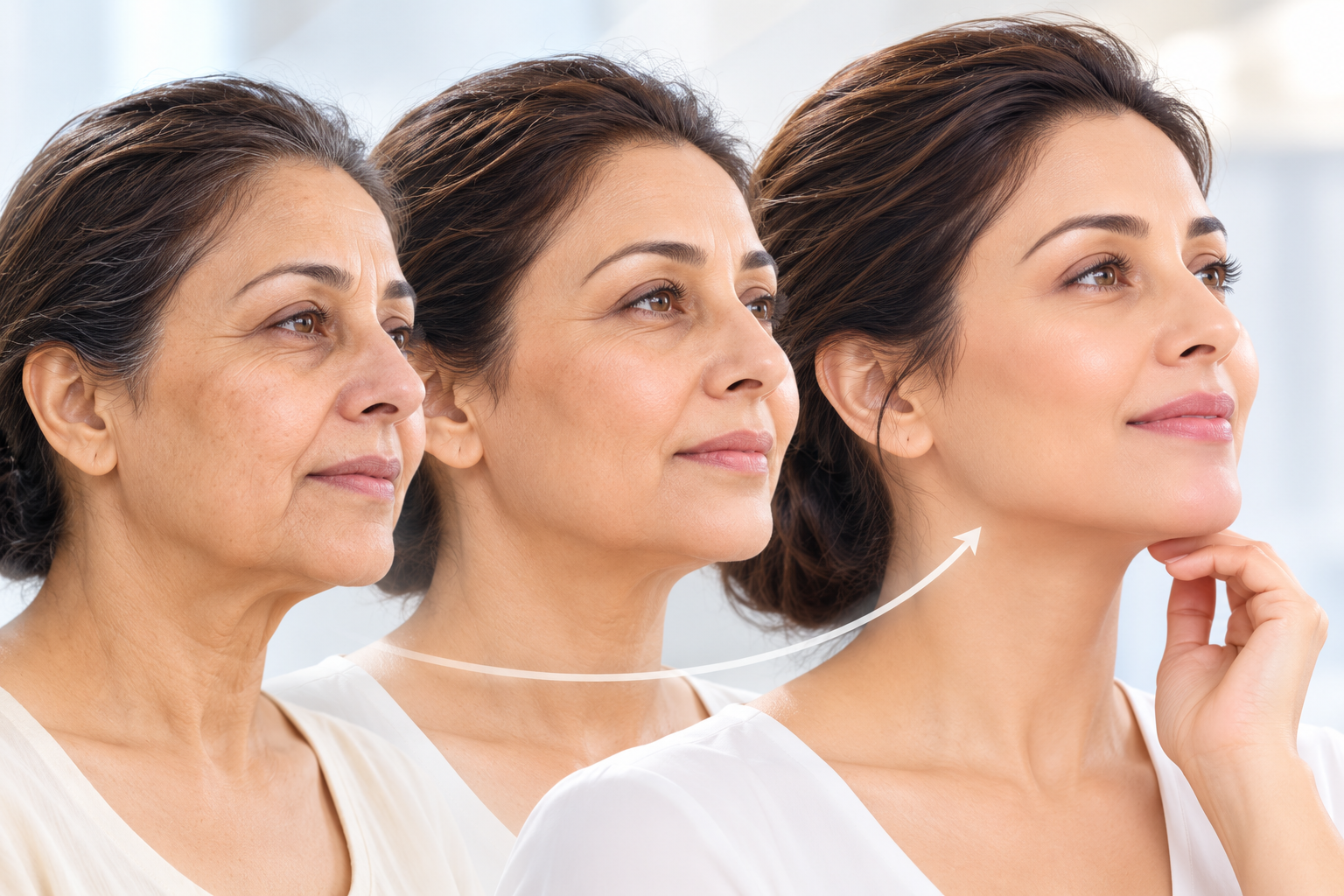
The best age for facelift surgery is not a fixed number. Many patients consider a facelift in their 40s, 50s or 60s, depending on skin laxity, facial sagging and personal goals. Facial rejuvenation surgery should be based on visible ageing changes, overall health and realistic expectations rather than age alone.
What Is the Best Age for Facelift Surgery?
Facelift surgery is designed to improve visible signs of ageing in the lower face, including sagging cheeks, jowls and changes in jawline definition.
Although many patients begin considering facial rejuvenation surgery between 40 and 60 years of age, some may benefit earlier or later.
The best age for facelift surgery depends on several factors:
-
Degree of facial skin laxity
-
Development of jowls and sagging cheeks
-
Loss of jawline definition
-
Skin quality and elasticity
-
Overall medical fitness
-
Personal expectations and treatment goals
A facelift cannot stop the ageing process, but it can improve selected signs of facial ageing.
Facelift Age Guide: What Changes in Your 30s, 40s, 50s and 60s?
Different age groups experience different facial changes. Understanding these changes can help patients decide when to get facial surgery.
|
Age Group |
Common Facial Changes |
Possible Treatment Options |
|---|---|---|
|
30–39 years |
Early fine lines, mild volume loss |
Skincare, Botox, fillers or other nonsurgical treatments |
|
40–49 years |
Early jowls, mild to moderate sagging |
Nonsurgical treatments or selected facelift procedures |
|
50–59 years |
More noticeable jowls, skin laxity and neck ageing |
Facelift, neck lift or combined facial rejuvenation |
|
60–69 years |
Advanced skin laxity and facial ageing |
Individualised facelift or combined procedures |
|
70+ years |
Variable facial ageing and skin laxity |
Surgery may be considered if medically appropriate |
These age ranges are general guidelines rather than strict recommendations.
Is Your 40s the Best Age for Facelift Surgery?
For some patients, the 40s may be an appropriate time to consider facelift surgery.
During this period, early signs of facial ageing may include:
-
Mild jowl formation
-
Sagging around the lower cheeks
-
Reduced jawline definition
-
Early neck skin laxity
-
Changes in facial contours
Patients with mild ageing changes may still benefit from nonsurgical treatments.
However, when tissue sagging becomes more noticeable, a surgical facelift may offer a more suitable correction.
The best age for facelift surgery in your 40s depends on the severity of these changes rather than your birthday.
Is Facelift Surgery Better in Your 50s?
Many patients consider facelift surgery during their 50s because facial ageing may become more noticeable.
Common concerns include:
-
Deeper folds around the mouth
-
Prominent jowls
-
Sagging lower facial tissues
-
Loose skin around the jawline
-
Neck skin laxity
A facelift can reposition deeper facial tissues and remove selected excess skin.
Patients experiencing both facial and neck ageing may require a combined approach.
Can You Have a Facelift After 60 or 70?
Yes. Patients in their 60s and 70s may still be suitable candidates for facelift surgery.
Chronological age alone does not determine surgical eligibility.
A plastic surgeon considers:
-
General health and medical history
-
Heart and lung health
-
Diabetes and blood pressure control
-
Smoking history
-
Skin quality and healing capacity
-
Medication use and anaesthesia suitability
Healthy older adults may be suitable for surgery after an appropriate medical assessment.
The best age for facelift surgery is therefore influenced more by physical health and facial anatomy than age alone.
What Are the Signs That You May Need a Facelift?
Not everyone experiencing facial ageing requires surgery.
However, certain changes may suggest that a facelift consultation is worth considering.
1. Sagging Cheeks
Loss of support in the facial tissues can cause the cheeks to descend, changing the appearance of the midface and lower face.
2. Prominent Jowls
Jowls develop when tissues around the jawline begin to sag, reducing the definition of the lower face.
3. Loose Skin Around the Jawline
Significant skin laxity may not respond adequately to treatments intended primarily for fine lines or volume loss.
4. Changes in Facial Contours
Age-related changes in facial fat and tissue support can make the face appear less defined.
5. Neck Skin Laxity
Loose neck skin or prominent neck bands may require assessment for a neck lift rather than a facelift alone.
A professional consultation helps determine whether surgery, nonsurgical treatment or a combination is appropriate.
Facelift vs Nonsurgical Facial Rejuvenation: Which Is Better?
The appropriate treatment depends on the cause and severity of facial ageing.
|
Treatment |
Suitable For |
Main Limitation |
|---|---|---|
|
Botox |
Dynamic facial wrinkles |
Does not correct significant sagging |
|
Dermal fillers |
Selected areas of facial volume loss |
Cannot replace surgical lifting |
|
Skin tightening treatments |
Mild skin laxity in selected patients |
Results are generally less substantial than surgery |
|
Facelift surgery |
Moderate to significant lower facial sagging |
Requires surgery and recovery |
|
Neck lift |
Loose neck skin and neck muscle changes |
Primarily targets the neck |
A facelift may be more appropriate when the main concern is tissue descent rather than wrinkles alone.
What Is the Difference Between a Facelift and Facial Rejuvenation Surgery?
Facelift surgery is one type of facial rejuvenation procedure.
Facial rejuvenation surgery is a broader term covering procedures designed to address different ageing concerns.
These may include:
-
Facelift: Improves lower facial sagging and jowls.
-
Neck lift: Addresses selected neck skin and muscle changes.
-
Eyelid surgery: Treats excess eyelid skin or selected under-eye concerns.
-
Facial fat grafting: Restores volume in suitable areas.
-
Brow lift: Addresses selected cases of brow descent.
Some patients may benefit from one procedure, while others may need a combination.
The choice should follow a detailed facial assessment rather than an age-based recommendation.
How Long Do Facelift Results Last?
Facelift results can remain noticeable for several years, although the face continues to age naturally.
The longevity of results depends on:
-
Surgical technique
-
Skin quality
-
Genetics
-
Sun exposure
-
Smoking habits
-
Weight fluctuations
-
Natural ageing
Some patients maintain visible improvements for approximately 7–10 years or longer, but individual outcomes vary.
Maintaining stable weight, avoiding smoking and protecting the skin from excessive sun exposure can support long-term skin health.
What Is the Recovery Time After Facelift Surgery?
Recovery varies according to the surgical technique, extent of treatment and individual healing.
|
Recovery Period |
What Patients May Experience |
|---|---|
|
First 3 days |
Swelling, bruising and mild to moderate discomfort |
|
First week |
Gradual reduction in early swelling |
|
2–3 weeks |
Many patients can resume routine social activities |
|
4–6 weeks |
Further improvement in swelling and healing |
|
Following months |
Gradual settling of tissues and scars |
These are approximate timelines. Patients should follow their surgeon's individual instructions about wound care, exercise, work and follow-up appointments.
Possible complications include bleeding, infection, temporary or persistent nerve injury, poor wound healing, scarring and anaesthesia-related risks.
When Should You Consult a Plastic Surgeon for Facial Rejuvenation?
If sagging facial tissues, jowls or loose skin are affecting your appearance and nonsurgical options no longer address your concerns, a consultation may help clarify the available choices.
At Elegance Clinic, Dr. Ashutosh Shah evaluates facial anatomy, skin laxity, medical history and individual expectations before discussing suitable facial rejuvenation procedures. The consultation helps patients understand whether facelift surgery, another facial procedure or nonsurgical care may be appropriate.
The goal is to select treatment based on individual needs rather than recommending surgery simply because a patient has reached a particular age.
Conclusion
The best age for facelift surgery is different for every patient. Some individuals notice significant facial ageing in their 40s, while others may not need surgical correction until their 60s or later.
The decision should depend on facial anatomy, skin laxity, general health and realistic expectations.
Consulting an experienced plastic surgeon can help determine whether facelift surgery or another facial rejuvenation treatment is appropriate.
For consultation information, visit Elegance Face Makeover