Otoplasty for Adults: Is It Ever Too Late?
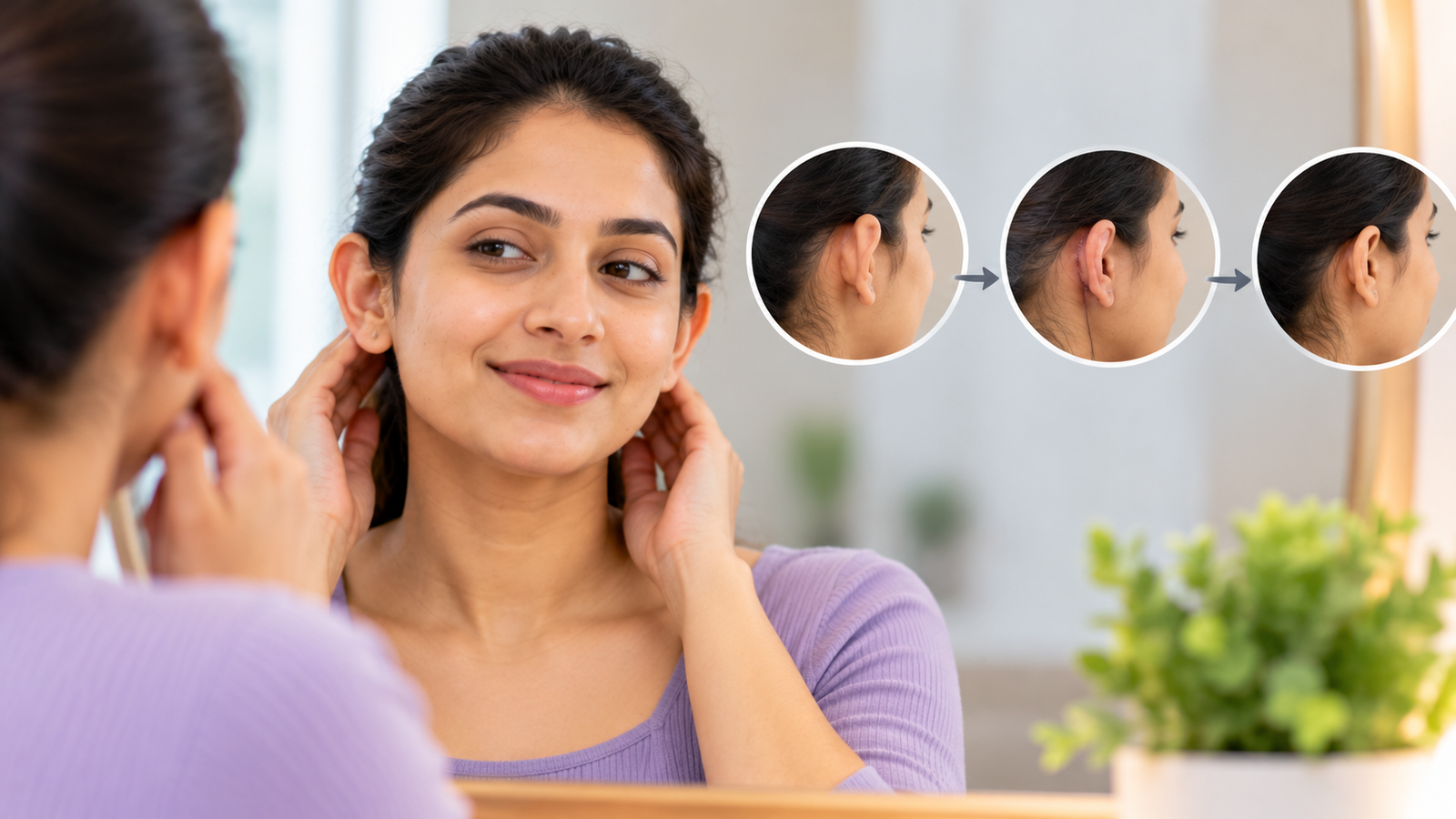
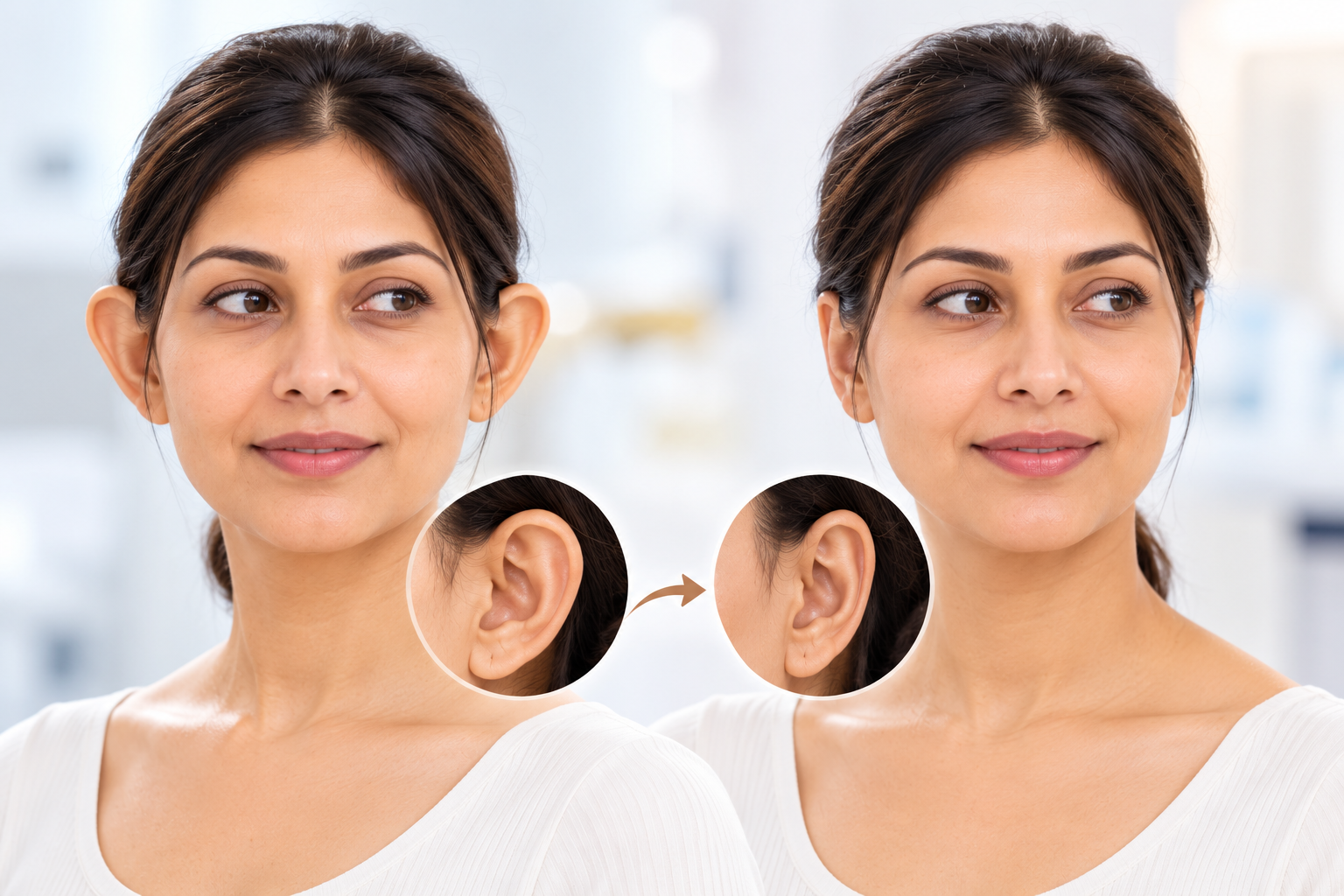
Adult otoplasty is a surgical procedure that reshapes or repositions prominent, protruding or asymmetrical ears. There is generally no upper age limit for ear correction surgery. Healthy adults in their 20s, 30s, 40s, 50s or later may be suitable candidates, depending on their ear anatomy, medical condition and expectations.
Many people assume that ear correction surgery is only performed during childhood. However, adults who have lived with prominent or uneven ears for years can also consider treatment.
Can Adults Undergo Otoplasty Surgery?
Yes. Adults can undergo otoplasty to correct selected concerns involving the shape, position or prominence of their ears.
The outer ear reaches much of its adult size during childhood, but its cartilage can still be surgically reshaped later in life.
Adult otoplasty may help address:
-
Prominent ears that project noticeably from the head
-
Protruding ears caused by underdeveloped ear folds
-
Uneven ear positioning
-
Differences in ear shape
-
Selected congenital ear deformities
-
Dissatisfaction with ear appearance
Unlike hearing-related ear procedures, cosmetic otoplasty primarily changes the appearance of the external ear. It does not usually improve hearing.
Patients considering surgery can also explore facial cosmetic surgery options to understand how ear correction fits into broader facial aesthetic treatment.
Is There an Age Limit for Adult Otoplasty?
There is no universally defined maximum age for cosmetic ear correction surgery.
A patient may consider treatment at 25, 40, 55 or even 70 years of age if their overall health and ear anatomy make surgery appropriate.
|
Age Group |
Common Reasons for Ear Correction |
Considerations |
|---|---|---|
|
18–29 years |
Prominent ears, asymmetry, appearance concerns |
Ear anatomy and realistic expectations |
|
30–39 years |
Long-standing protruding ears |
Work schedule and recovery planning |
|
40–49 years |
Ear prominence or shape concerns |
Skin and cartilage characteristics |
|
50–59 years |
Long-standing dissatisfaction with ear appearance |
Medical conditions and healing capacity |
|
60+ years |
Selected cosmetic or reconstructive concerns |
Overall health, medication and surgical fitness |
The decision to undergo surgery should be based on individual suitability rather than age alone.
What Ear Problems Can Adult Otoplasty Correct?
1. Prominent or Protruding Ears
Prominent ears are one of the most common reasons adults seek ear correction.
The ears may project outward because of an underdeveloped antihelical fold, a deep conchal bowl or a combination of anatomical features.
Otoplasty can help reposition the ears closer to the head while preserving a natural-looking contour.
2. Asymmetrical Ears
Some adults have one ear that projects farther than the other.
Surgery may improve ear balance, although perfectly identical ears cannot be guaranteed.
3. Abnormal Ear Folds
Certain ear shapes result from differences in cartilage folding.
Surgical techniques may create or improve the natural folds of the outer ear.
4. Ear Shape Irregularities
Selected ear shape concerns may be improved through cartilage reshaping or reconstructive techniques.
The appropriate procedure depends on the specific anatomy.
How Is Adult Otoplasty Surgery Performed?
Adult otoplasty is generally performed as an outpatient procedure, although the exact approach depends on the patient's condition and surgical plan.
Step 1: Ear Examination
The plastic surgeon examines the shape, size, projection and symmetry of both ears.
Photographs and measurements may be used for surgical planning.
Step 2: Anaesthesia
Adult ear correction surgery may be performed under local anaesthesia with or without sedation, or under general anaesthesia when appropriate.
Step 3: Surgical Incision
In many traditional otoplasty techniques, an incision is placed behind the ear to provide access to the cartilage.
Step 4: Cartilage Reshaping
The surgeon may use permanent sutures, cartilage scoring or other techniques to reshape the ear and adjust its position.
Step 5: Wound Closure
The incision is closed, and a protective dressing is applied.
Step 6: Recovery and Follow-Up
Patients receive instructions regarding dressings, sleeping position, physical activity and follow-up visits.
The procedure often takes approximately one to three hours, depending on whether one or both ears are treated and the complexity of correction.
Is Adult Otoplasty Different From Childhood Otoplasty?
The fundamental goal is similar: improving the shape or position of the outer ears.
However, there are some differences.
|
Factor |
Childhood Otoplasty |
Adult Otoplasty |
|---|---|---|
|
Cartilage |
Often more flexible |
May be firmer |
|
Anaesthesia |
General anaesthesia often used |
Local anaesthesia with or without sedation may be possible |
|
Patient motivation |
Often involves family discussion |
Usually based on the adult's personal choice |
|
Recovery planning |
School and physical activities |
Work, exercise and social commitments |
|
Surgical goal |
Natural ear positioning |
Natural ear positioning |
Adult ear cartilage can be less flexible, but this does not automatically prevent successful correction.
What Are the Benefits of Adult Otoplasty?
Ear correction for adults may provide several potential benefits.
Improved Ear Position
Surgery can reduce excessive ear projection and create a more balanced relationship between the ears and head.
Better Ear Symmetry
Otoplasty may improve visible differences between the ears, although some natural asymmetry usually remains.
Long-Lasting Correction
Cartilage reshaping can produce long-lasting results, although recurrence or changes in position are possible.
Personal Satisfaction
Some adults feel more comfortable with their appearance after addressing a long-standing concern.
However, surgery should be chosen for personal reasons and with realistic expectations.
How Long Does Adult Otoplasty Recovery Take?
Recovery varies depending on the surgical technique and individual healing.
|
Recovery Period |
Expected Changes |
|---|---|
|
First 2–3 days |
Swelling, mild discomfort and protective dressing |
|
First week |
Early swelling and tenderness begin improving |
|
1–2 weeks |
Many patients return to desk-based work |
|
3–4 weeks |
Further improvement in swelling and comfort |
|
4–6 weeks |
Some physical activities may resume with surgeon approval |
|
Following months |
Ear contours and scars continue settling |
Some patients may need to wear a protective headband at night for several weeks, depending on the surgeon's instructions.
Avoiding pressure on the ears during early healing is important.
Is Adult Otoplasty Painful?
Adult ear correction surgery is performed with appropriate anaesthesia to minimise discomfort during the procedure.
After surgery, patients may experience:
-
Mild to moderate soreness
-
Ear tenderness
-
Swelling
-
A feeling of tightness
-
Temporary numbness
Discomfort generally improves during early recovery and can often be managed with prescribed medication.
Severe or worsening pain, significant swelling, fever or unusual discharge requires prompt medical assessment.
What Are the Risks of Adult Otoplasty?
Like any surgical procedure, otoplasty carries potential risks.
These include:
-
Infection
-
Bleeding or haematoma
-
Visible or thickened scars
-
Persistent asymmetry
-
Overcorrection or undercorrection
-
Temporary or persistent numbness
-
Suture-related problems
-
Changes in ear contour
-
Recurrence of ear prominence
-
Need for revision surgery
A detailed consultation helps patients understand the potential benefits and limitations before deciding on surgery.
Can Adult Otoplasty Be Combined With Other Facial Procedures?
In selected cases, patients may discuss ear correction alongside other facial aesthetic procedures.
These may include:
-
Eyelid surgery for excess eyelid skin
-
Facial fat grafting for selected areas of volume loss
-
Facelift surgery for facial sagging
-
Other facial contouring procedures
However, combining procedures is not necessary for most adult otoplasty patients.
The decision depends on treatment goals, medical suitability, operative time and recovery requirements.
How Much Does Adult Otoplasty Cost?
The cost of ear pinning surgery for adults varies according to several factors:
-
Complexity of ear correction
-
Whether one or both ears require surgery
-
Anaesthesia requirements
-
Hospital or surgical facility charges
-
Surgeon fees
-
Postoperative care
-
Need for revision or reconstructive work
An accurate estimate should be provided after examining the ears and discussing the planned procedure.
Cosmetic otoplasty is not always covered by health insurance. Coverage depends on the policy and whether the treatment is considered medically necessary.
Who Is a Good Candidate for Adult Otoplasty?
Suitable candidates are generally adults who:
-
Have prominent, protruding or asymmetrical ears.
-
Are in reasonably good general health.
-
Have realistic expectations about surgery.
-
Understand the potential risks and recovery requirements.
-
Are willing to follow postoperative instructions.
-
Do not have an active infection affecting the surgical area.
Patients who smoke or have medical conditions affecting healing may require additional evaluation or preparation before surgery.
Adult Otoplasty Consultation With Dr. Ashutosh Shah at Elegance Clinic
At Elegance Clinic, Dr. Ashutosh Shah evaluates adult patients considering ear correction surgery by examining ear projection, cartilage shape, symmetry and individual concerns. The consultation includes discussion of suitable surgical techniques, expected improvements, potential risks and recovery requirements. Patients can ask whether otoplasty alone is appropriate or whether another treatment approach would better address their concerns.
A personalised surgical plan helps ensure that treatment decisions are based on the patient's anatomy and goals.
Conclusion
Adult otoplasty can be considered at almost any adult age when the patient is medically suitable and has realistic expectations.
Whether you are in your 20s, 40s, 60s or later, prominent or asymmetrical ears may still be corrected through appropriate surgical techniques.
A consultation with a qualified plastic surgeon can help determine whether ear correction surgery is suitable for your anatomy, health and goals.
For more information about facial cosmetic procedures and consultation options, visit Elegance Face Makeover.