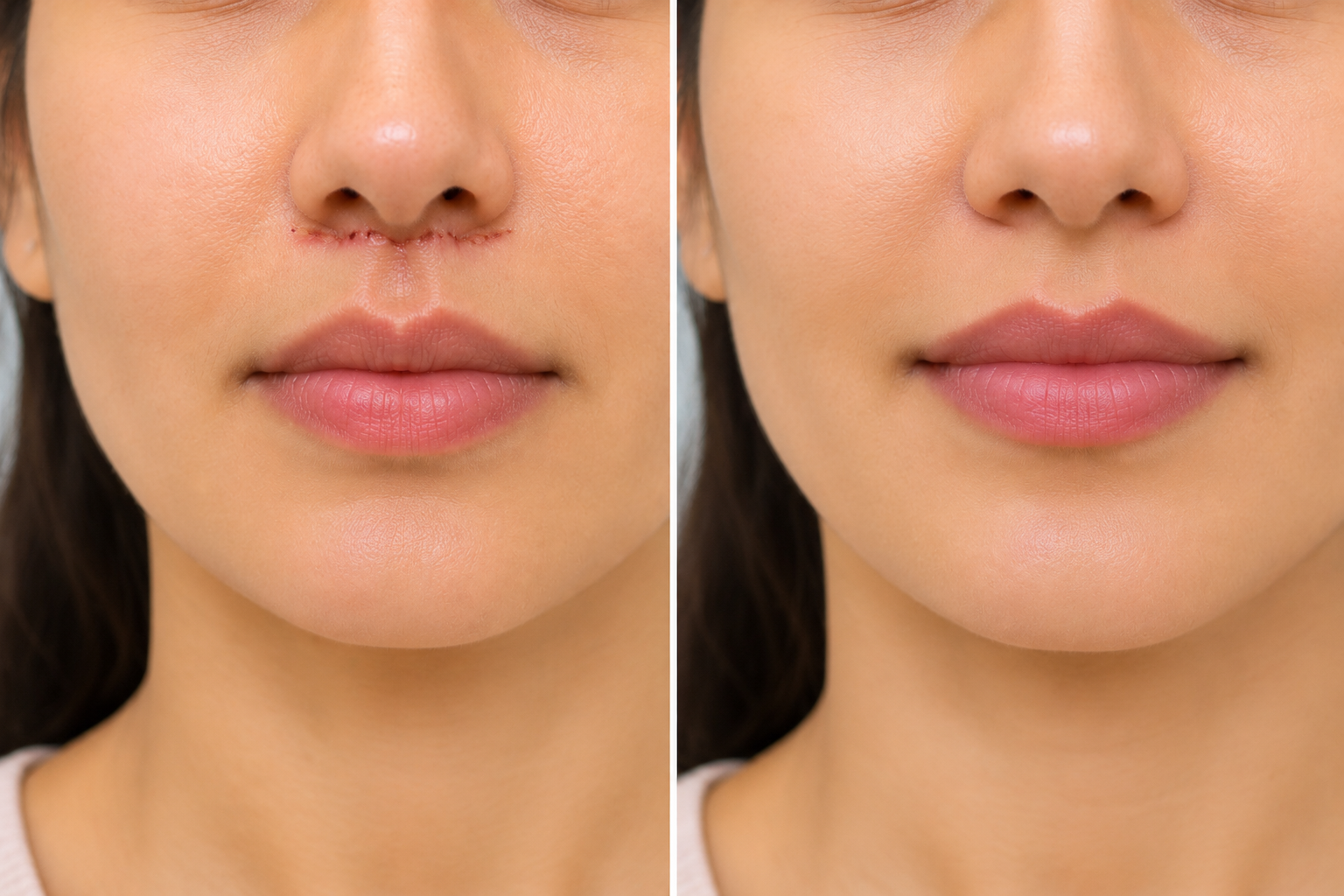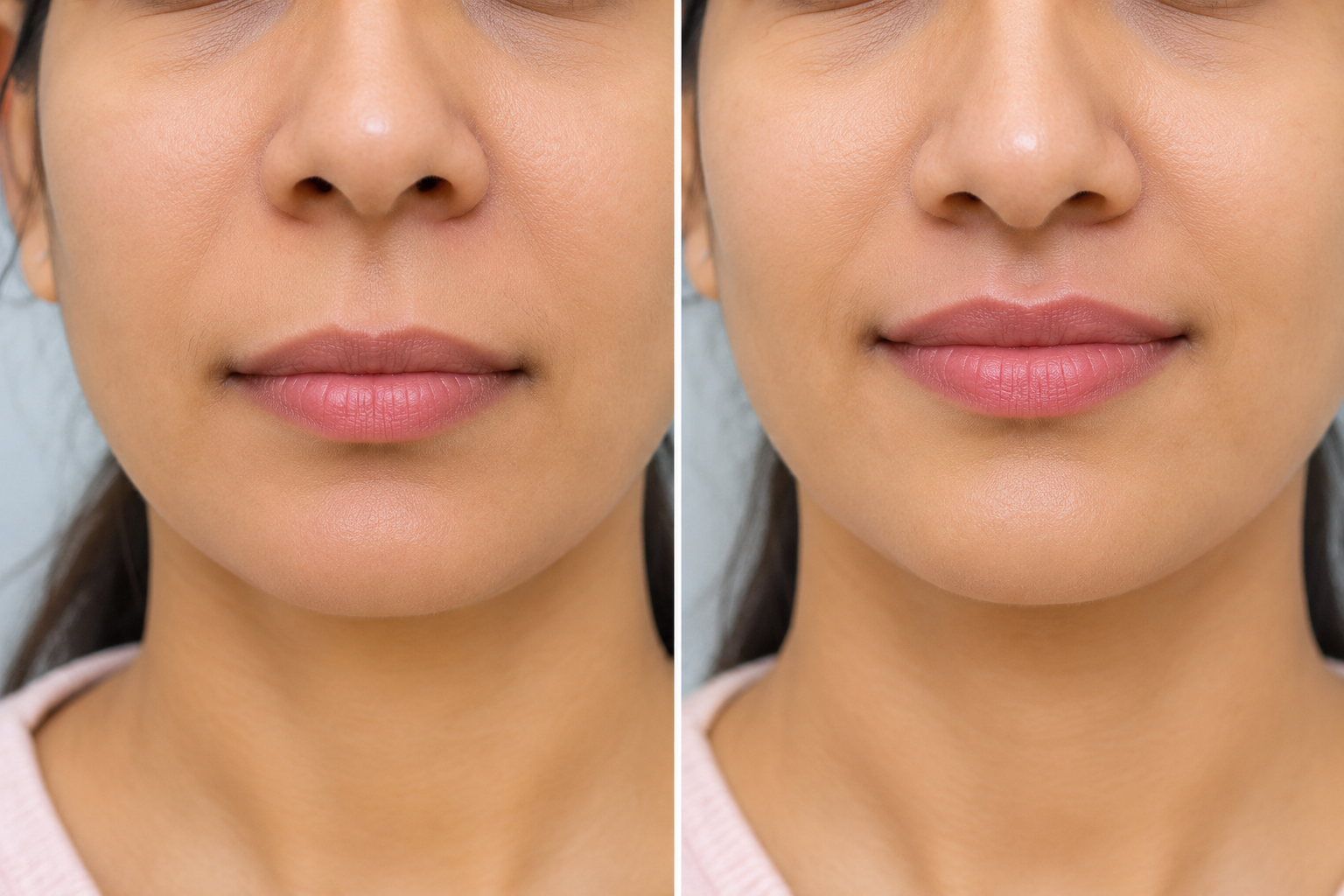

Is double chin removal safe?
Double chin removal can be performed safely in appropriately selected patients by qualified clinicians using suitable facilities and techniques. However, no cosmetic procedure is risk-free. Temporary swelling, bruising and discomfort are common after some treatments, while serious complications can occur. Understanding possible risks, recognising warning signs and following medical advice are essential.
Many patients consider double chin removal to improve the definition between the chin and neck. However, understanding double chin removal risks is essential before choosing any cosmetic procedure.The risks depend on whether treatment involves liposuction, skin tightening, lifting surgery or another technique.
At Elegance Clinic, Dr. Ashutosh Shah, MS, MCh, DNB, Plastic and Reconstructive Surgeon, can assess medical suitability and explain procedure-specific risks.
This guide discusses double chin removal risks, common side effects, possible complications and important safety precautions.
Which Side Effects Are Common and Temporary?
Most cosmetic procedures can cause temporary changes during healing. However, the type and severity of side effects depend on the treatment performed.
1. Swelling
Swelling may occur after liposuction or other surgical treatments.
It can temporarily change the appearance of the lower face and neck.
2. Bruising
Bruising may develop because small blood vessels are affected during treatment.
The amount of bruising varies between patients.
3. Temporary Discomfort
Mild to moderate discomfort, tenderness or tightness may occur after some procedures.
Patients should use prescribed medicines and follow the surgeon's instructions.
Severe or worsening pain requires medical assessment.
4. Temporary Numbness
Some patients experience altered skin sensation following surgery.
Although sensation may gradually improve, persistent changes are possible.
5. Firmness or Uneven Swelling
Temporary firmness or uneven swelling may affect the treated area.
However, persistent irregularities should be assessed by the treating surgeon.
Patients can explore the clinic's double chin information to understand the condition and possible treatment approaches.
Double Chin Removal Risk Table
| Side Effect or Complication | How Common | How Long | What to Do |
|---|---|---|---|
| Swelling | Common after surgery | [Confirm duration] | Follow aftercare instructions |
| Bruising | Common after some procedures | [Confirm duration] | Monitor improvement |
| Temporary discomfort | Common | [Confirm duration] | Use prescribed medication |
| Altered sensation | Procedure-dependent | [Confirm duration] | Report persistent symptoms |
| Infection | Less common | Varies | Seek prompt medical assessment |
| Bleeding or haematoma | Procedure-dependent | Varies | Contact the surgeon urgently |
| Contour irregularity | Procedure-dependent | May persist | Attend follow-up assessment |
| Nerve injury | Uncommon but potentially serious | May persist | Seek specialist assessment |
| Breathing difficulty | Emergency warning sign | Immediate action needed | Seek emergency care |
Exact complication frequencies and recovery periods require procedure-specific medical evidence and surgeon approval.
Which Complications Are Rare but Important?
Although many patients recover without serious problems, complications can occur even when appropriate precautions are followed.
Infection
Infection may cause increasing redness, warmth, pain, swelling or discharge.
Fever may also occur.
Patients should contact their treating clinician if infection is suspected.
Bleeding or Haematoma
Bleeding beneath the skin may cause painful swelling or a collection of blood.
Sudden swelling, especially when accompanied by severe pain, requires urgent assessment.
Contour Irregularities
Uneven fat removal, swelling or tissue healing can produce asymmetry or irregular contours.
Some irregularities improve with healing, while others may persist.
Nerve Injury
Certain surgical procedures carry a risk of nerve injury, which may affect sensation or muscle movement.
The specific risk depends on the treatment and anatomical structures involved.
Anaesthesia-Related Complications
Sedation and general anaesthesia have their own risks.
These may be influenced by existing medical conditions, medicines and individual health.
Serious Circulatory Complications
Blood clots and other serious complications can occur with surgery, although their likelihood varies by procedure and patient.
Patients should discuss their personal risk factors before treatment.
Understanding double chin removal complications helps patients recognise why proper assessment and postoperative monitoring are important.
How Are Risks Reduced Before and During Treatment?
Good preparation can reduce avoidable risks, although it cannot eliminate every complication.
Choose an Appropriately Qualified Clinician
The clinician should have appropriate qualifications, training and experience for the proposed procedure.
Patients should ask who will perform the treatment and who will manage complications.
Complete a Medical Assessment
The surgeon should review existing health conditions, previous operations, allergies and current medicines.
Patients should disclose diabetes, high blood pressure, bleeding disorders and previous anaesthesia problems.
Discuss Smoking and Nicotine
Smoking and nicotine exposure may interfere with wound healing.
Recommended cessation period: [Surgeon to confirm].
Review Medicines and Supplements
Certain medicines and supplements can affect bleeding or interact with anaesthesia.
Do not stop prescribed treatment without advice from the appropriate medical professional.
Understand the Treatment Plan
Patients should know which procedure is recommended, why it is suitable and whether alternatives exist.
For example, some individuals retain submental fullness despite weight loss.
The article why your double chin has not gone discusses possible contributing factors.
Follow Postoperative Instructions
Aftercare may include medicines, wound care, activity restrictions, follow-up appointments or a prescribed compression garment.
Instructions should be tailored to the selected procedure.
How Do You Check a Doctor's Qualifications?
Before undergoing double chin removal, patients should verify the clinician's qualifications and experience.
Check Medical Registration
Confirm that the doctor holds valid medical registration with the appropriate regulatory authority.
Ask About Specialist Training
Patients should understand the clinician's relevant surgical or procedural training.
Discuss Experience
Ask how frequently the clinician performs the proposed procedure and how complications are managed.
Check the Treatment Facility
Surgical procedures should take place in appropriately equipped facilities with suitable monitoring and emergency arrangements.
Ask About Follow-Up Support
Confirm who will assess postoperative concerns and whether emergency assistance is available.
At Elegance Clinic, patients can consult Dr. Ashutosh Shah about treatment suitability, possible complications and recovery planning.
For additional procedure information, see male double chin reduction.
Double Chin Removal in Bharuch: What Should Patients Check Before Treatment?
Patients researching double chin removal in bharuch should consider more than treatment cost or convenience.
The most important factors include the clinician's qualifications, the proposed procedure, medical suitability and access to postoperative care.
Before Booking a Consultation
Prepare a list of medical conditions, medicines, allergies and previous cosmetic treatments.
Ask whether an initial discussion can be conducted remotely.
Before Scheduling Treatment
Confirm whether the procedure requires investigations, anaesthesia assessment or hospital observation.
Do not assume that treatment can be completed during the first visit.
Planning Recovery
Ask how much time to allow for recovery and when travel may be appropriate.
Recommended recovery and travel period: [Surgeon to confirm].
Arranging Follow-Up Care
Confirm how many follow-up appointments are required and whom to contact if complications develop.
Patients should not rely entirely on online reviews when an in-person medical examination is necessary.
Which Signs After Treatment Need Urgent Attention?
Some swelling and discomfort may be expected after treatment. However, worsening symptoms should not be ignored.
Sudden or Rapidly Increasing Swelling
Unexpected swelling, especially when painful or affecting the neck, requires urgent assessment.
Severe or Worsening Pain
Pain that becomes increasingly severe despite prescribed treatment may indicate a complication.
Fever or Concerning Wound Changes
Increasing redness, warmth, discharge or fever may suggest infection.
Persistent Bleeding
Bleeding that does not stop as expected requires prompt medical attention.
Breathing or Swallowing Difficulty
These symptoms require immediate emergency care.
Chest Pain or Sudden Breathlessness
These may indicate a serious medical emergency and require immediate evaluation.
What Should Patients Do?
Contact the treating team promptly for concerning symptoms. For severe symptoms, seek emergency care rather than waiting for a routine appointment.
Patients can contact us for clinic enquiries and appointment information.
Conclusion
Double chin removal can be appropriate for selected patients, but every treatment carries potential risks.
Understanding double chin removal risks, choosing an appropriately qualified clinician and following postoperative instructions are important parts of safer treatment planning. Patients should discuss their medical history, treatment alternatives, possible complications, and recovery expectations before making a decision.
For personalized assessment, consult Dr. Ashutosh Shah at Elegance Clinic.
Medical note: This article provides general educational information. Procedure-specific complication frequencies, recovery timelines and clinical recommendations require confirmation before publication.
See our double chin reduction in Surat page, or read about double chin removal for patients from Rajkot.