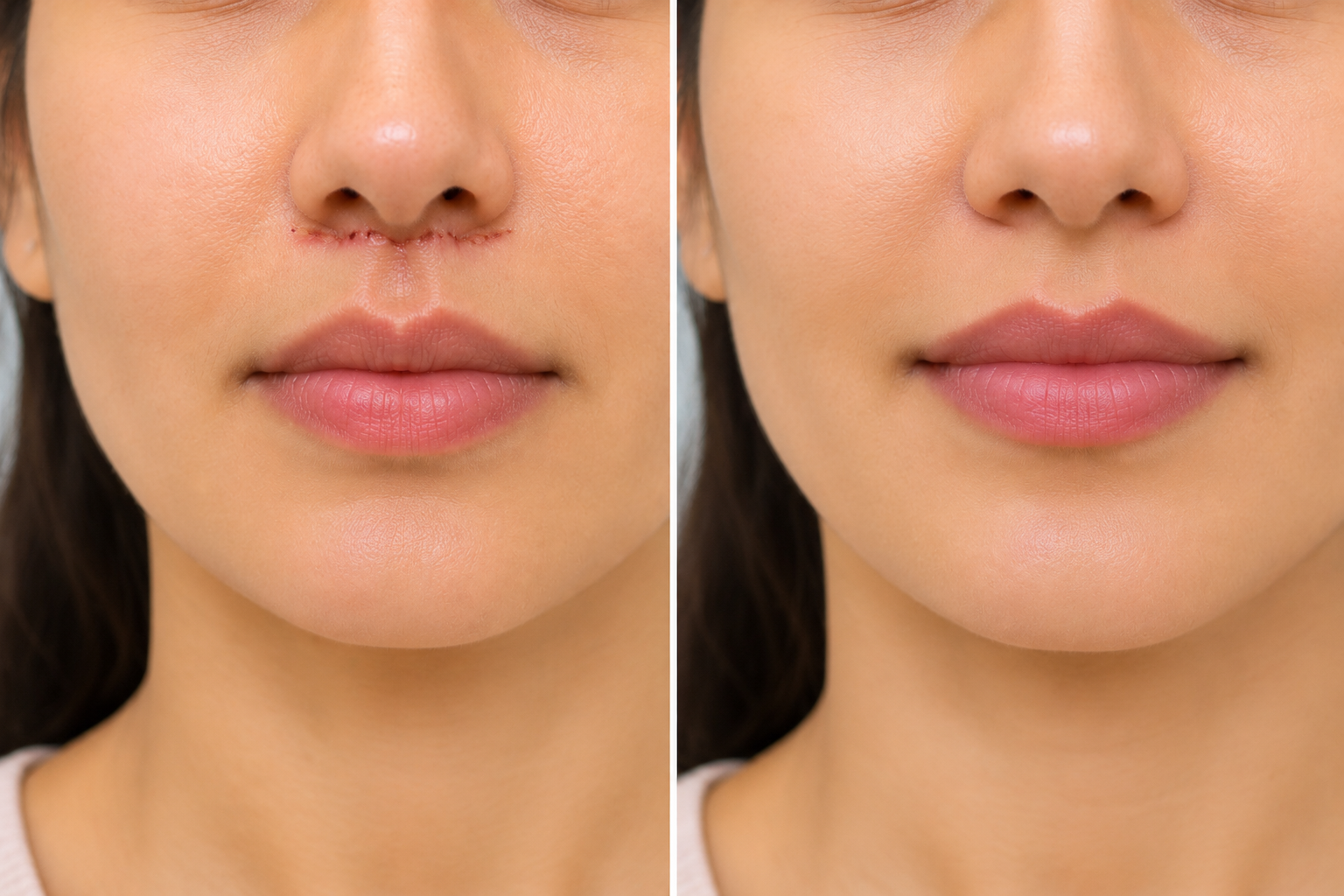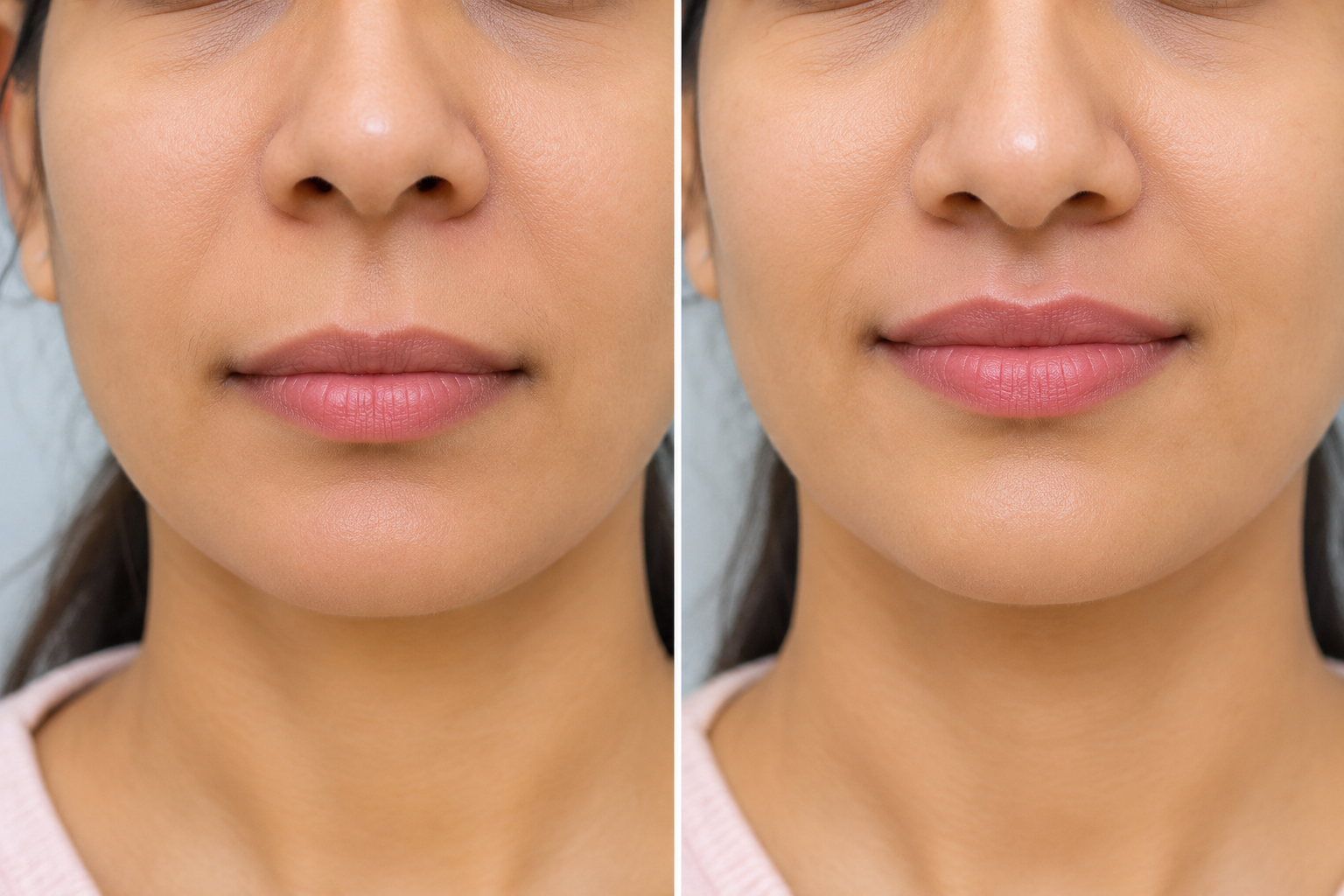

Buccal Fat Removal vs Facial Fillers: Which One Suits You?
Buccal fat removal and facial fillers address different facial concerns. Buccal fat removal surgically reduces selected cheek fat, while fillers add volume or enhance facial contours. They differ in recovery, risks, costs, and result duration. The better choice depends on your facial anatomy, age, health, and expectations, following an individual assessment.
Choosing between buccal fat removal vs facial fillers can be confusing because both are associated with facial contouring. However, they work in opposite ways: one removes fat, while the other adds volume.
At Elegance Clinic, Dr. Ashutosh Shah (MS, MCh, DNB) can assess facial proportions, explain available treatments, and help patients understand the potential benefits and limitations of each approach.
What Each Option Does
Understanding how these treatments work is the first step toward choosing the appropriate procedure.
What is buccal fat removal?
Buccal fat removal is a surgical procedure that removes part of the buccal fat pad located within the cheeks.
The purpose is to reduce fullness in the lower cheek area and create greater definition in selected patients.
The surgeon generally accesses the fat through an incision inside the mouth. However, the amount removed and the surgical approach depend on individual anatomy.
Potential benefits include:
-
Reduced fullness in selected areas of the cheeks.
-
Greater visibility of existing facial contours.
-
Long-lasting reduction of the removed fat.
-
No external skin incision in the usual intraoral approach.
However, buccal fat removal is not suitable for everyone. Removing too much fat may create a hollow appearance, particularly as natural facial volume changes with age.
Read our buccal fat removal candidate guide to understand the factors considered during assessment.
What are facial fillers?
Facial fillers are injectable materials used to restore volume, improve selected contours, or address particular facial concerns.
Hyaluronic acid fillers are commonly used, although other filler materials also exist.
Depending on the product and treatment plan, fillers may enhance cheek projection, improve contour transitions, or address volume loss.
Potential benefits include:
-
Non-surgical treatment.
-
Targeted volume enhancement.
-
Usually less initial downtime than surgery.
-
Adjustable treatment planning over time.
However, fillers cannot remove excess cheek fat. They also carry risks, including swelling, bruising, lumps, infection, and rare but serious vascular complications.
Buccal Fat Removal vs Facial Fillers: Side-by-Side Comparison
The main difference between these treatments is whether facial volume needs to be reduced or increased.
| Factor | Buccal Fat Removal | Facial Fillers |
|---|---|---|
| Main purpose | Reduces selected cheek fat | Adds volume or enhances contours |
| Treatment type | Surgical | Injectable, non-surgical |
| Suitable concern | Persistent lower-cheek fullness in selected patients | Volume loss or selected contour concerns |
| Anaesthesia | [Surgeon to confirm] | [Clinician to confirm] |
| Recovery | Generally longer | Generally shorter |
| Result duration | Long-lasting removal of fat | Depends on filler type and individual factors |
| Reversibility | Removed fat cannot simply be restored | Some hyaluronic acid fillers may be dissolved |
| Scarring | Usually an incision inside the mouth | No surgical incision |
| Cost | [Clinic to confirm] | [Clinic to confirm] |
| Important risks | Infection, bleeding, asymmetry, hollowing, nerve or duct injury | Infection, lumps, vascular occlusion, tissue damage, rare vision loss |
Which treatment produces more natural-looking results?
Natural-looking results depend on choosing the correct treatment for the patient's anatomy.
Removing fat from an already narrow face may produce excessive hollowing. Similarly, adding filler to an already full cheek may create unwanted volume.
Neither treatment guarantees perfect symmetry or a particular facial appearance.
Which treatment lasts longer?
Buccal fat removal permanently removes the excised portion of fat, although facial appearance continues changing with ageing and weight fluctuations.
Most commonly used hyaluronic acid fillers provide temporary results. Their duration varies according to the product, injection site, and individual metabolism.
What about treatment costs?
Surgery generally involves operative and postoperative costs, whereas filler treatment costs depend on the product and amount used.
Repeated filler sessions may affect long-term spending.
A written quotation should clarify all expected charges before treatment.
Who Suits Which Option?
When comparing buccal fat removal vs facial fillers, suitability is more important than popularity or convenience.
Who may benefit from buccal fat removal?
The procedure may be considered for adults with persistent cheek fullness caused partly by prominent buccal fat pads.
Potential candidates should generally have stable health, realistic expectations, and sufficient facial volume to avoid an excessively hollow result.
A consultation should examine:
-
Facial fat distribution.
-
Skin elasticity.
-
Existing cheekbone structure.
-
Age-related volume changes.
-
Weight stability.
-
Medical history and medications.
Patients with naturally thin faces or significant facial volume loss may not be suitable candidates.
Who may benefit from facial fillers?
Fillers may be appropriate for selected patients who want to restore volume or enhance specific contours without surgery.
They may be considered when the concern involves facial deflation rather than excess cheek fat.
However, treatment should be avoided or postponed when relevant contraindications are present.
Patients should disclose allergies, previous filler treatments, medications, and medical conditions.
What if the concern is different?
Sometimes patients believe their cheeks need slimming when the main concern involves the jawline, skin laxity, or overall facial proportions.
A proper examination helps identify the underlying cause.
Other facial concerns require different treatments. For example, upper lip wrinkles removal surat discusses a separate cosmetic concern.
Similarly, laser hair removal addresses unwanted hair rather than facial fat or volume.
Can Both Treatments Be Combined?
In selected patients, a surgeon may consider fat reduction and volume enhancement in different facial areas.
However, combining treatments is not automatically beneficial.
Why might combination treatment be considered?
A patient may have fullness in one area and insufficient projection in another.
Carefully selected treatments might address these different concerns, but the decision requires detailed facial assessment.
Can both procedures happen during one appointment?
The appropriate timing depends on the treatment plan, healing requirements, and clinical judgement.
Some patients may benefit from staged treatment so the surgeon can assess the result of the first procedure before considering another.
What are the risks of combining treatments?
Multiple procedures can increase treatment complexity.
Additional swelling may make early results harder to assess, while the overall risk profile depends on the specific treatments involved.
Patients should understand the individual risks of each procedure and whether combining them offers a meaningful benefit.
Can fillers replace surgery?
Fillers cannot physically remove buccal fat.
In some patients, carefully placed filler may improve overall facial balance without removing cheek fat. However, it does not reproduce the anatomical effect of buccal fat removal.
The best approach depends on the concern being treated.
How to Decide With Your Doctor: Buccal Fat Removal in Citylight Surat
Patients considering buccal fat removal vs facial fillers should begin with a professional assessment rather than selecting a procedure based only on photographs or social media results.
Step 1: Explain your main concern
Tell the surgeon whether you want less cheek fullness, improved cheekbone definition, or restoration of lost volume.
These goals may require different treatments.
Step 2: Review your facial anatomy
The surgeon examines facial proportions, fat distribution, skin quality, and underlying structures.
This helps determine whether removing or adding volume is appropriate.
Step 3: Discuss risks and limitations
Ask about possible asymmetry, hollowing, infection, recovery requirements, and complications.
For fillers, specifically discuss the rare possibility of vascular occlusion and the importance of urgent treatment if warning signs develop.
Step 4: Compare recovery and costs
Request a personalised explanation of expected downtime, aftercare, follow-up appointments, and total estimated costs.
Step 5: Make an informed decision
Avoid rushing into permanent surgery or injectable treatment.
At Elegance Clinic, patients can discuss facial contouring concerns with Dr. Ashutosh Shah and request a personalised assessment.
To enquire about appointments, visit contact us.
Conclusion
Choosing between buccal fat removal vs facial fillers requires understanding the difference between reducing cheek fat and adding facial volume.
Buccal fat removal may benefit carefully selected patients with persistent lower-cheek fullness, while fillers may suit patients seeking volume restoration or targeted contour enhancement.
Neither treatment is universally better.
At Elegance Clinic, Dr. Ashutosh Shah (MS, MCh, DNB) can assess facial concerns and discuss suitable treatment options, risks, recovery, and expected results.
Learn more about our facial fillers treatment, or read how much buccal fat removal costs in Surat.