Face Makeover Surgery in Athwa, Surat: Procedure, Recovery and Cost Factors
Face makeover surgery addresses specific facial concerns through a planned procedure, recovery period, and follow-up care. Patients from Athwa usually begin with a consultation, complete recommended tests, and schedule treatment after discussing their goals. The procedure, hospital stay, and recovery depend on the selected surgery.
Considering face makeover surgery in athwa surat? Understanding the available procedures, possible risks, recovery requirements, and cost factors can help you make an informed decision.
Face makeover surgery is not a single operation. It may involve one facial procedure or a carefully planned combination of treatments, depending on the patient's facial anatomy and concerns.
At Elegance Clinic, Dr. Ashutosh Shah (MS, MCh, DNB) provides consultations for facial aesthetic concerns. An examination is necessary to determine whether surgery is appropriate and which approach may offer realistic improvement.
What Is Face Makeover Surgery and Who Is It For?
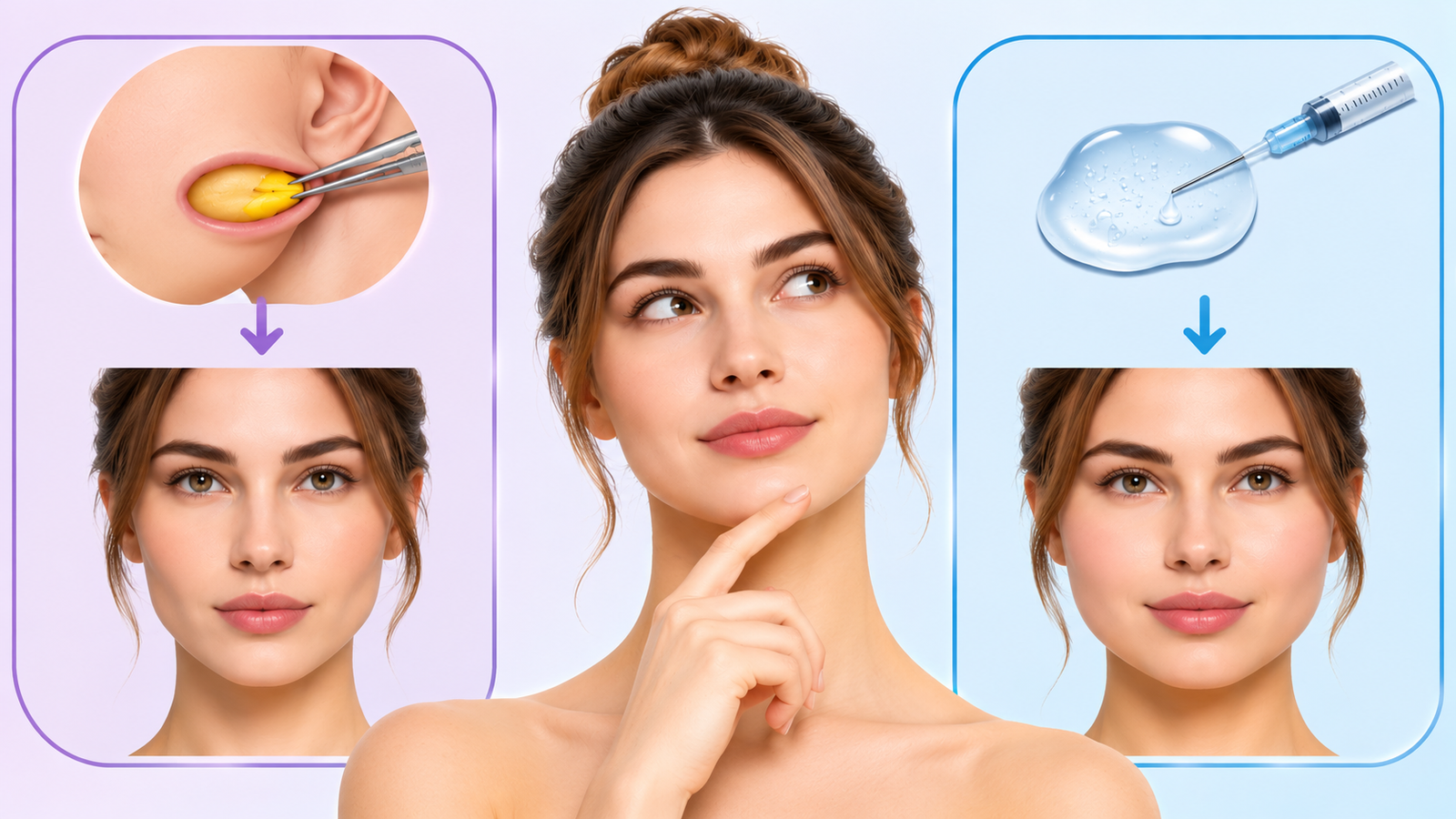
Face makeover surgery refers to surgical treatments intended to change specific facial features, proportions, or age-related changes.
Different procedures address different concerns. Therefore, the most suitable treatment depends on the patient's facial structure, skin condition, medical history, and expectations.
Which facial concerns may be treated?
A facial makeover plan may address:
-
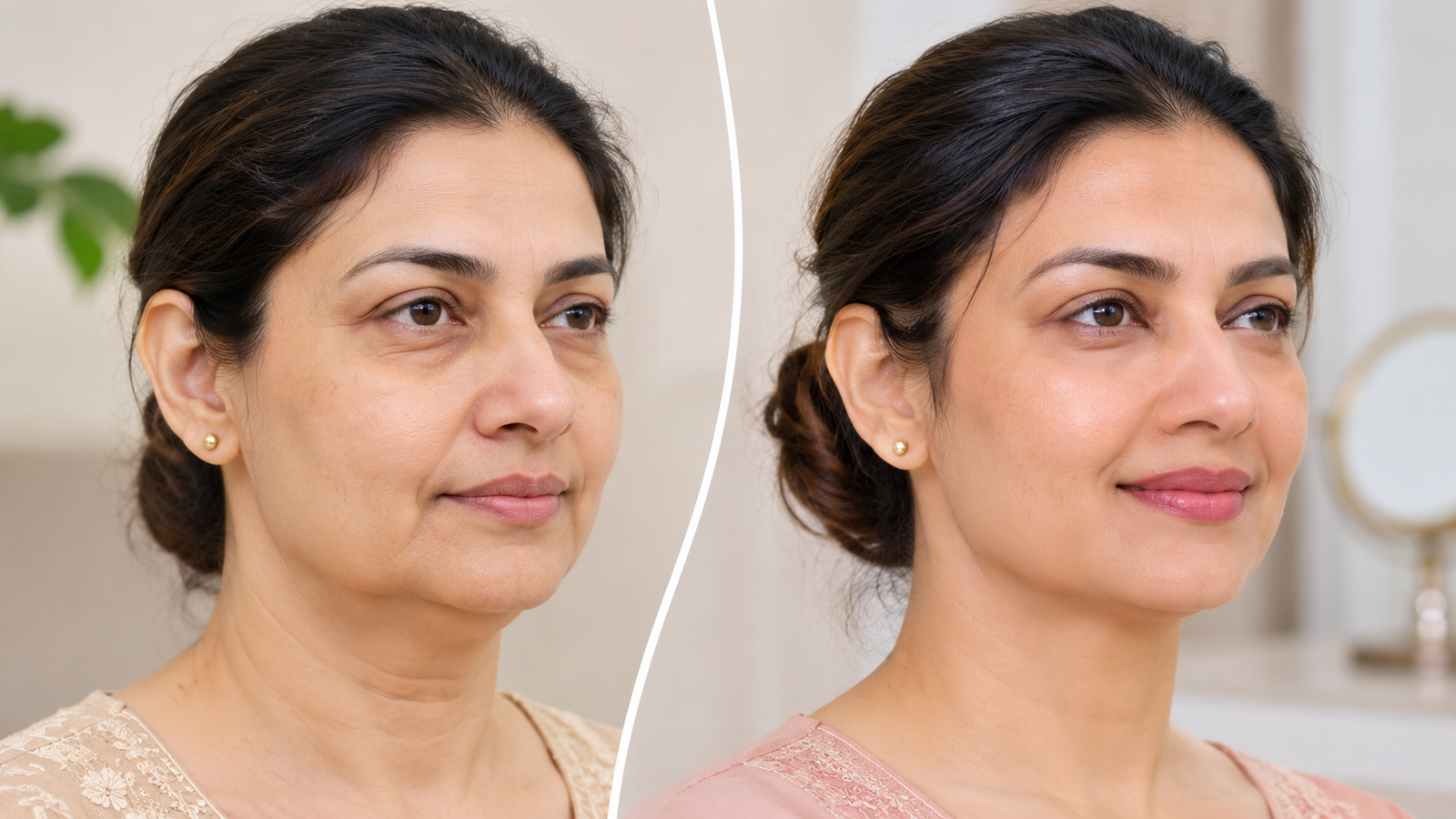
Loose facial or neck skin.
-
Drooping eyebrows or eyelids.
-
Facial asymmetry.
-
Concerns about the chin or jawline.
-
Changes in facial volume.
-
Prominent or asymmetrical ears.
-
Other structural facial concerns.
Not every concern requires surgery. Some patients may benefit from non-surgical treatments, while others may need a surgical approach.
A detailed face analysis can help identify the underlying concern before choosing treatment.
Who may be a suitable candidate?
Potential candidates generally have a specific concern, realistic expectations, and a medical condition that permits elective surgery.
However, uncontrolled medical conditions, smoking, certain medications, or unrealistic expectations may affect suitability.
The surgeon should assess whether the expected benefit justifies the potential risks.
What results should patients expect?
The goal is improvement in the selected facial concern rather than a completely different appearance.
Results vary because facial anatomy, skin elasticity, healing, and individual preferences differ.
Key takeaway: Facial makeover treatment should be selected according to the patient's concern, not simply because a particular procedure is popular.
How the Procedure Is Done, Step by Step
Planning face makeover surgery in athwa surat generally involves consultation, medical assessment, treatment selection, surgery, and follow-up care.
The exact steps depend on the procedure chosen.
Step 1: Initial consultation
The surgeon discusses the patient's concerns, expectations, previous treatments, medical history, allergies, and current medications.
Photographs or facial measurements may be used to understand facial proportions.
Patients should explain which features concern them and what improvement they hope to achieve.
Step 2: Facial assessment
The surgeon evaluates relevant features, including skin quality, facial symmetry, soft tissues, and underlying structures.
This assessment helps distinguish concerns that may benefit from surgery from those better managed without an operation.
Step 3: Selecting the treatment
After examining the patient, the surgeon explains the available options.
For example, a concern involving loose skin may require a different approach from one involving facial volume or bone structure.
Patients considering multiple procedures can review the face makeover treatment order to understand why treatment sequencing matters.
Step 4: Preoperative preparation
Recommended investigations depend on the patient's health and the planned surgery.
The surgeon may review medications, smoking habits, and other factors that affect healing.
Never stop prescribed medication without medical advice.
Required investigations: [Surgeon to confirm.]
Step 5: Surgery and monitoring
The selected procedure is performed using an appropriate surgical technique and anaesthesia plan.
Incision placement, operative duration, and monitoring requirements vary considerably between procedures.
Step 6: Discharge and follow-up
Before discharge, patients should receive instructions covering wound care, medicines, activity restrictions, warning signs, and follow-up appointments.
Some procedures require more postoperative monitoring than others.
Recovery: What the First Weeks Look Like
Recovery depends on the procedure, the extent of treatment, and individual healing.
Patients should not assume that every facial surgery has the same recovery period.
Immediately after surgery
Temporary swelling, discomfort, bruising, or tightness may occur, depending on the operation.
Patients may require observation before discharge.
The medical team provides instructions for pain control and wound protection.
During the first week
Rest and careful wound management are important.
Patients should avoid unnecessary pressure on the treated area and follow instructions about sleeping positions, bathing, and physical activity.
Swelling may make the early appearance different from the eventual result.
During the following weeks
Some patients gradually return to normal activities as discomfort and swelling improve.
However, recovery may be longer after more extensive surgery.
Patients should obtain individual clearance before returning to strenuous exercise or physically demanding work.
When will the results become visible?
Early changes may be visible once swelling decreases.
Nevertheless, scars and deeper tissues can continue changing after the initial recovery period.
The final assessment should follow the surgeon's recommended timeline.
Quick Facts: Face Makeover Surgery
| Factor | Information |
|---|---|
| Procedure duration | [Surgeon to confirm according to procedure] |
| Anaesthesia | [Surgeon to confirm] |
| Hospital stay | [Surgeon to confirm] |
| Return to work | [Surgeon to confirm] |
| Follow-up visits | [Surgeon to confirm] |
These details cannot be accurately standardised because facial makeover surgery may involve different procedures.
Which Factors Change the Cost?
The cost of face makeover surgery in athwa surat depends on the treatment selected, its complexity, anaesthesia, facility charges, and postoperative care.
An accurate estimate requires an examination and a clear treatment plan.
Type of procedure
A single targeted operation and a combination of facial procedures may have different costs.
The surgical technique and complexity also affect the estimate.
Anaesthesia and facility requirements
Anaesthesia, operating theatre facilities, monitoring, and hospital stay may contribute to the total cost.
These requirements depend on the procedure and patient's medical needs.
Preoperative investigations
Blood tests, imaging, or other assessments may be recommended when clinically necessary.
Patients should confirm whether investigation charges are included in the quotation.
Medicines and follow-up care
Postoperative medication, dressings, follow-up appointments, and additional care may affect the overall expense.
Patients should request an itemised written estimate.
For information about how treatments may be grouped, read the face treatment package guide.
A lower quotation does not necessarily represent better value. Surgeon qualifications, medical safety, and follow-up arrangements should also influence the decision.
Reaching the Clinic from Athwa
Patients planning face makeover surgery in athwa surat should organise their consultation, investigations, surgery date, and follow-up appointments before treatment.
Plan the first consultation
Begin by discussing the facial concern and available treatment options.
Ask whether an initial online consultation is available. A physical examination may still be necessary before finalising surgery.
Prepare your medical information
Bring relevant reports, a list of current medications, allergy information, and details of previous facial procedures.
This helps the surgeon assess risks and determine whether additional investigations are necessary.
Arrange support after surgery
Depending on the procedure and anaesthesia, patients may need someone to accompany them home.
If sedation or general anaesthesia is used, follow the medical team's instructions about supervision and driving.
Plan follow-up appointments
Ask when the first postoperative review is required and whether stitches, dressings, or wound checks will be needed.
Avoid scheduling demanding activities before receiving medical clearance.
To discuss consultation availability and appointments, visit contact us.
Questions to Ask Before You Decide
A successful consultation should explain both the potential benefits and the limitations of treatment.
Before proceeding, patients should discuss the following points with their surgeon:
-
Which facial concern is the procedure intended to address?
-
Is surgery necessary, or are non-surgical alternatives appropriate?
-
What changes are realistically achievable?
-
Where will incisions or scars be located?
-
Which anaesthesia technique is recommended?
-
What complications are possible?
-
How much recovery time should be planned?
-
When can work, driving, and exercise resume?
-
What is included in the written cost estimate?
-
What happens if additional treatment or follow-up is needed?
Potential surgical risks vary but may include bleeding, infection, scarring, asymmetry, delayed healing, anesthesia-related complications, or dissatisfaction with the result.
Patients should also understand that cosmetic surgery cannot guarantee perfect symmetry or a particular appearance.
Conclusion
Face makeover surgery requires an individualised approach because different facial concerns need different treatments.
At Elegance Clinic, Dr. Ashutosh Shah (MS, MCh, DNB) can assess facial concerns, explain available options, and discuss potential risks, recovery, and cost factors.
A consultation and realistic expectations are essential before deciding on elective facial surgery.
Explore our cosmetic facial surgery options in Surat, or read about face makeover surgery for patients from Ahmedabad.