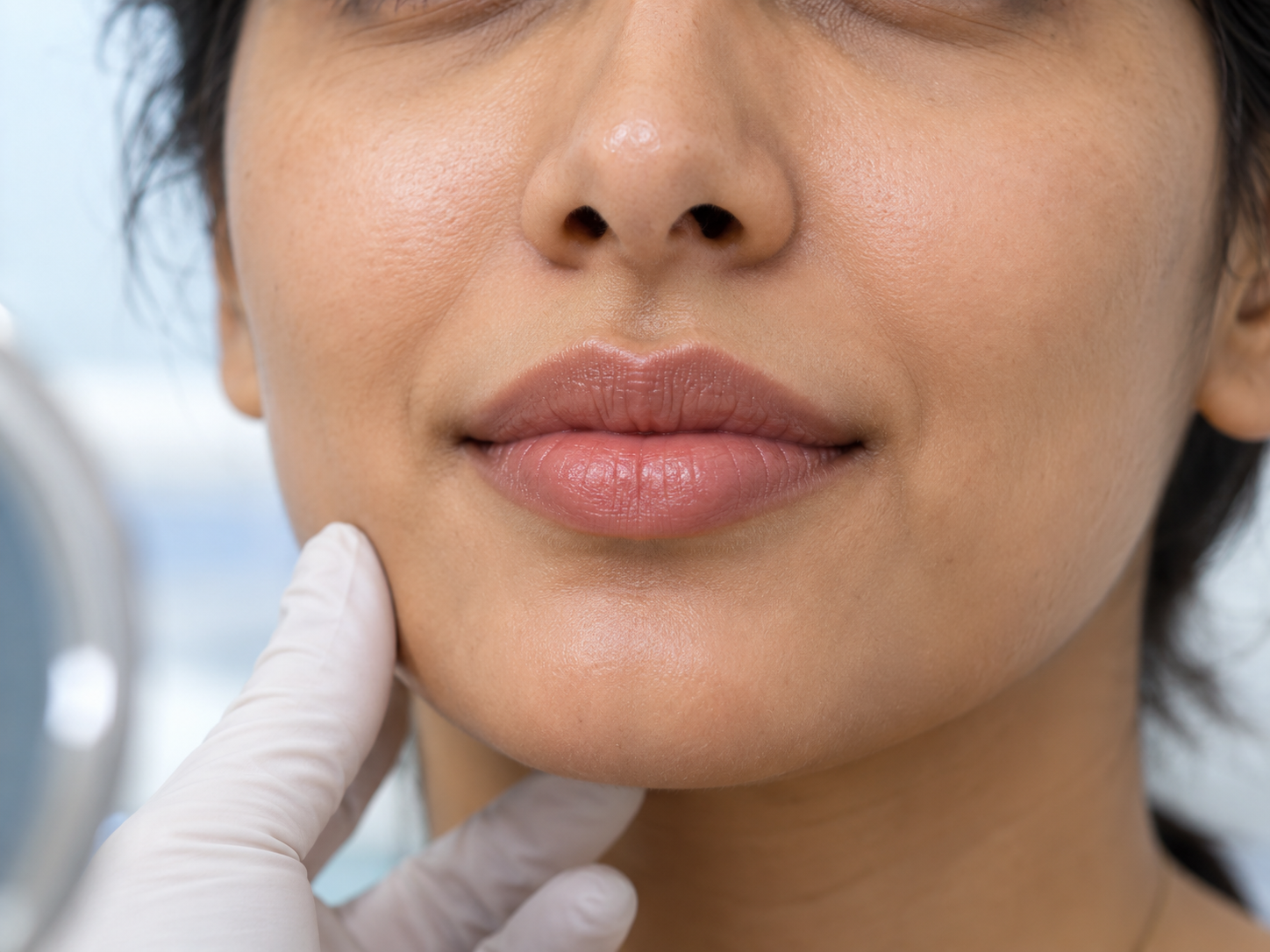

Gum Contouring Surgery: When A Gummy Smile Needs More Than Injections
<style type="text/css"> </style> A gummy smile can come from excess gum tissue, a short or hypermobile upper lip, or the way the jaw is positioned. Gum contouring reshapes the gum line and is only the right answer when the gum itself is the cause. The wrong diagnosis is why some results disappoint.
At Elegance Clinic, Dr. Ashutosh Shah and the treatment team assess the relationship between the teeth, gums, lips and overall smile before discussing an appropriate approach. The clinic's existing guide to Gum line correction in Surat explains how reshaping excess or uneven gum tissue can improve gum-to-tooth proportions in suitable patients.
A gummy smile is therefore not automatically a reason to remove gum tissue. The treatment needs to match the anatomy creating the excessive gum display.
What Actually Causes a Gummy Smile: Gum, Lip or Jaw?
A gummy smile simply describes a smile in which more gum is visible than a person would like. It does not identify the cause.
Several anatomical factors can produce a similar appearance.
Excess Gum Tissue
In some people, excess gum tissue covers part of the visible tooth surface. The teeth may therefore appear shorter even when their actual size is normal.
When excessive or uneven gum tissue is the main problem, gum reshaping may improve the proportion between the teeth and gums.
This is one of the situations in which gum contouring surgery may be considered.
Short Upper Lip
The amount of gum visible during smiling is also influenced by upper-lip length.
If the upper lip is relatively short, more of the teeth and gums may become visible during a full smile.
Removing gum tissue does not correct the length of the lip, so the treatment plan must take lip anatomy into account.
Hypermobile Upper Lip
Some patients have a normal upper-lip length at rest, but the lip moves unusually high when smiling.
In these cases, excessive lip movement rather than excess gum tissue may be the main contributor.
Selected patients may therefore be considered for a treatment that reduces excessive muscle activity rather than gum removal.
For more information about this option, see Gummy smile injections on our injectables site.
Jaw Position
Sometimes the cause lies deeper in the facial skeleton.
The position or vertical proportions of the upper jaw can contribute to excessive gum display. When a significant skeletal problem is responsible, removing gum tissue or reducing lip movement may not adequately address it.
A maxillofacial assessment may then be needed.
Worn or Apparently Short Teeth
Teeth can also appear short because of their proportions, wear or the amount of tooth covered by gum tissue.
The clinician therefore needs to examine both the teeth and gums before deciding whether reshaping the gum line is appropriate.
The goal is not simply to show as much tooth as possible. It is to create a balanced relationship between the visible teeth, gums and lips.
Cause and Treatment Guide for a Gummy Smile
| Main Finding | Is Gum Contouring the Answer? | Alternative or Additional Treatment | Recovery Consideration |
|---|---|---|---|
| Excess gum tissue covering the teeth | May be appropriate | Gum reshaping or crown-lengthening approach depending on anatomy | Gum healing and follow-up required |
| Short upper lip | Usually not the complete answer | Assessment of lip proportions and appropriate treatment options | Depends on treatment selected |
| Hypermobile upper lip | Not necessarily | Selected injectable treatment may be considered | Usually different from surgical gum recovery |
| Jaw position causing excessive gum display | Usually not enough alone | Maxillofacial assessment and possible jaw surgery | Longer recovery if skeletal surgery is required |
| Worn or short-looking teeth | Depends on the cause | Dental restoration, gum treatment or combined smile planning | Depends on dental and gum treatment |
The key point is that gummy smile surgery should be selected according to the cause rather than the appearance alone.
What Does Gum Contouring or Crown Lengthening Involve?
Gum contouring reshapes selected areas of gum tissue to create a more balanced gum line.
Before treatment, the clinician examines factors including:
-
Gum health
-
Gum thickness
-
Tooth proportions
-
Amount of visible tooth
-
Symmetry of the gum line
-
Lip position at rest
-
Lip movement while smiling
-
Overall smile proportions
The new gum line is then planned according to the teeth and surrounding smile rather than simply removing an equal amount of tissue from every tooth.
Gum Reshaping
For selected patients, treatment may involve carefully reshaping excess or uneven gum tissue.
The aim is to reveal an appropriate amount of the natural tooth and create a smoother, more proportionate gum contour.
Crown Lengthening
Crown lengthening may involve more than simple cosmetic gum reshaping.
Whether it is appropriate depends on the relationship between the gum, tooth and supporting structures. This is why the procedure should be planned after a proper dental and periodontal assessment.
Removing too much tissue simply to make teeth appear longer is not the goal.
The final gum position needs to respect the anatomy supporting the teeth.
Patients considering other smile procedures can explore the clinic's Dental and smile treatments at Elegance Clinic to understand how gum treatment can fit within broader dental planning.
When Is an Injectable Lip Treatment Enough Instead?
Not every gummy smile needs surgery.
If excessive gum display occurs mainly because the upper lip rises too far when smiling, selected muscle-relaxing injections may sometimes reduce that movement.
This approach does not remove gum tissue.
Instead, it acts on selected muscles involved in lifting the upper lip.
That distinction is important.
If the problem is genuinely excess gum tissue covering the teeth, reducing lip movement does not correct the underlying gum-to-tooth relationship.
Likewise, if the main problem is jaw position, injections cannot reposition the jaw.
An injectable treatment may therefore be considered when excessive muscle movement is an important contributor and the anatomy is otherwise suitable.
Results from injectable treatment are temporary, so repeat treatment may be required if the patient wishes to maintain the effect.
This makes diagnosis particularly important when deciding between injections and gum contouring surgery.
What Does Healing Look Like Over the First Month?
Recovery varies according to how much gum tissue is treated and the technique used.
First Few Days
Some tenderness, sensitivity or swelling may occur after gum reshaping.
Patients should follow the specific oral-care and eating instructions provided by their treating dental professional.
Keeping the treated area clean as advised is important during early healing.
First Week
The gums begin healing around the newly established contour.
Patients may be advised to avoid foods or habits that irritate the treated area and to continue any prescribed oral-care routine.
The gum line should not be judged only by its immediate post-treatment appearance.
Weeks Two to Four
The gums continue to settle as healing progresses.
The developing relationship between the gums and teeth becomes easier to assess during this period, although complete maturation may take longer depending on the procedure.
Follow-up allows the treating team to check healing and determine whether the gum contour is developing as planned.
Patients should contact their clinic earlier if they develop unexpected or worsening symptoms rather than waiting for a routine review.
The clinic's existing gum-line guide also notes that long-term appearance depends on factors including gum health, oral hygiene, healing and individual biology.
When Is Jaw Surgery the Honest Answer?
A gummy smile caused substantially by jaw position cannot always be corrected by removing gum tissue or reducing upper-lip movement.
This is particularly important when the amount of gum display reflects the underlying skeletal relationship rather than a local gum problem.
In these cases, assessment may involve looking at:
-
Facial proportions
-
Upper-jaw position
-
Bite
-
Tooth position
-
Lip position
-
Gum display at rest and while smiling
If a significant skeletal problem is identified, maxillofacial treatment may need to be discussed.
That does not mean everyone with a prominent gummy smile needs jaw surgery.
It means that gum contouring surgery should not be used to compensate for a problem it cannot anatomically correct.
The most conservative appropriate treatment should be chosen only after the source of the excessive gingival display has been identified.
Can Gum Contouring Be Part of a Smile Makeover?
Yes, when gum position is one of several factors affecting the smile.
For example, a patient may have uneven gum levels as well as concerns about tooth shape or colour.
In such cases, the gum line may need to be planned before final dental restorations so the visible tooth proportions are established first.
This can be particularly relevant when veneers or other cosmetic dental treatments are being considered.
The order should be decided before treatment begins rather than correcting the gums after the final restorations have already been designed.
Patients concerned about gum colour rather than excessive gum display should read Why gums become dark or black, because pigmentation is a different problem from excess gum tissue.
How Is the New Gum Line Designed?
A good gum contour should not look artificially straight or identical around every tooth.
Planning considers:
-
Natural tooth shape
-
Tooth width and height
-
Gum symmetry
-
Position of neighbouring teeth
-
Smile line
-
Lip movement
-
Overall facial appearance
The aim is to establish a gum-to-tooth relationship that looks balanced when the patient smiles.
This is also why copying another person's gum line is not a useful treatment goal. Tooth proportions and facial anatomy differ between individuals.
Clinical photographs and dental assessment may be used to plan the areas that require correction.
Key Takeaways
-
A gummy smile can be caused by the gums, upper lip, teeth, jaw position or a combination of factors.
-
Gum contouring surgery is most relevant when excess or uneven gum tissue contributes to the problem.
-
A short upper lip and a hypermobile upper lip are different problems.
-
Selected patients with excessive lip movement may be considered for injectable treatment.
-
Injectable treatment is temporary and does not remove excess gum tissue.
-
Jaw-related excessive gum display may require maxillofacial assessment.
-
Gum contouring and crown lengthening are not automatically interchangeable procedures.
-
The new gum line should be planned around tooth proportions and the complete smile.
-
Gum treatment may need to be completed before veneers or other final restorations.
-
Proper diagnosis is more important than choosing a treatment based only on how much gum is visible.
Conclusion
Gum contouring surgery can improve a gummy or uneven smile when excess gum tissue is genuinely contributing to the appearance. But gum tissue is only one possible cause. Upper-lip movement, lip length, tooth proportions and jaw position can create a similar appearance and may require different treatment.
At Elegance Clinic, assessment of the teeth, gums, lips and overall smile can help determine whether gum reshaping, dental treatment, selected injectable treatment or a different approach is appropriate. The objective is not simply to expose more tooth, but to create a balanced gum, tooth and lip relationship.