Face Makeover Treatment Order: What Comes First When You Want Several Changes
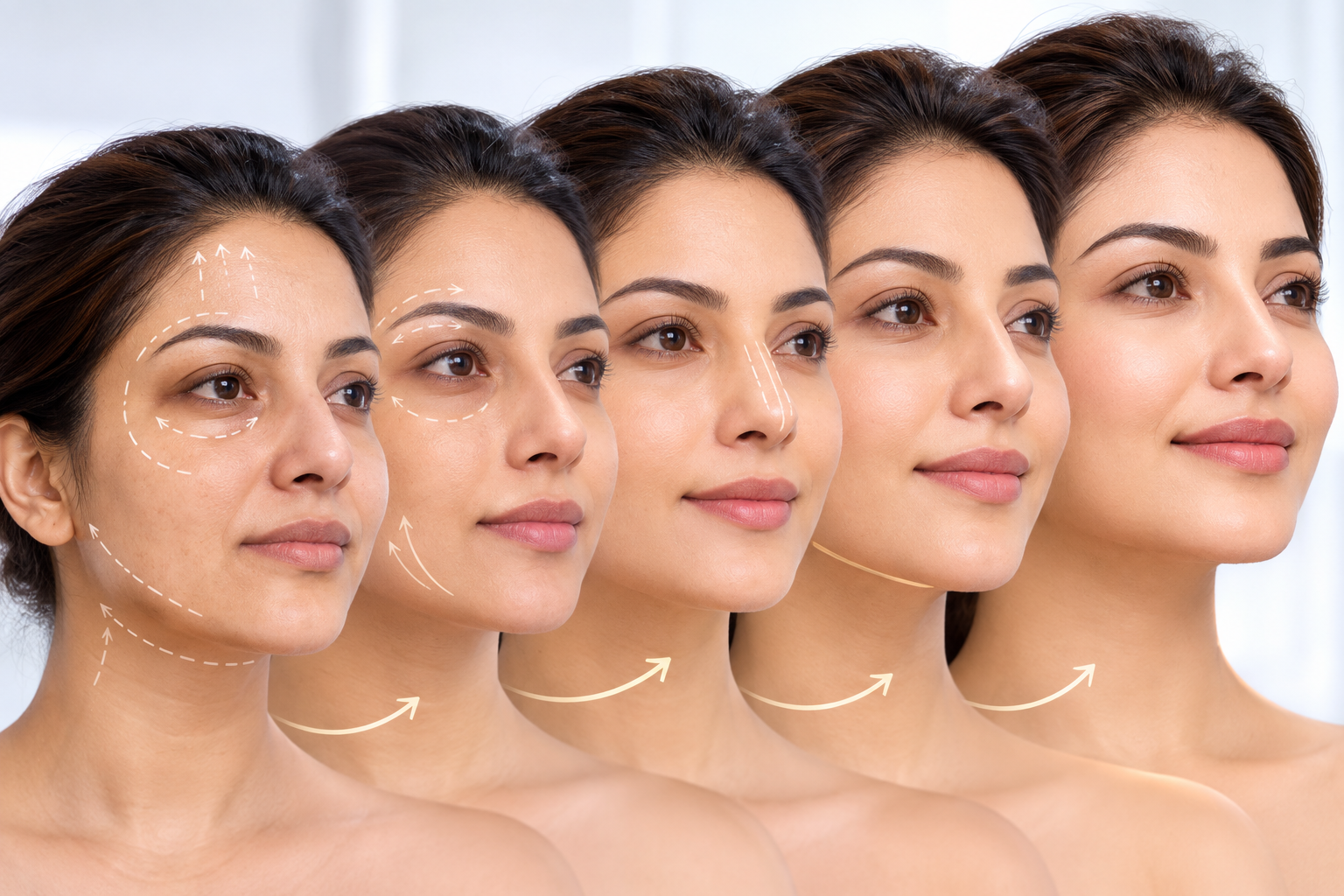
<style type="text/css"> </style> Structure comes first, surface second. Surgery and anything that changes facial shape is planned before skin resurfacing, and permanent makeup is placed last so the brow and lip design match the finished face. Dental work sits early because it changes lip support and smile width.
A face makeover does not necessarily mean having several procedures at the same time. It can mean creating one coordinated plan in which each treatment is performed when it makes the most sense.
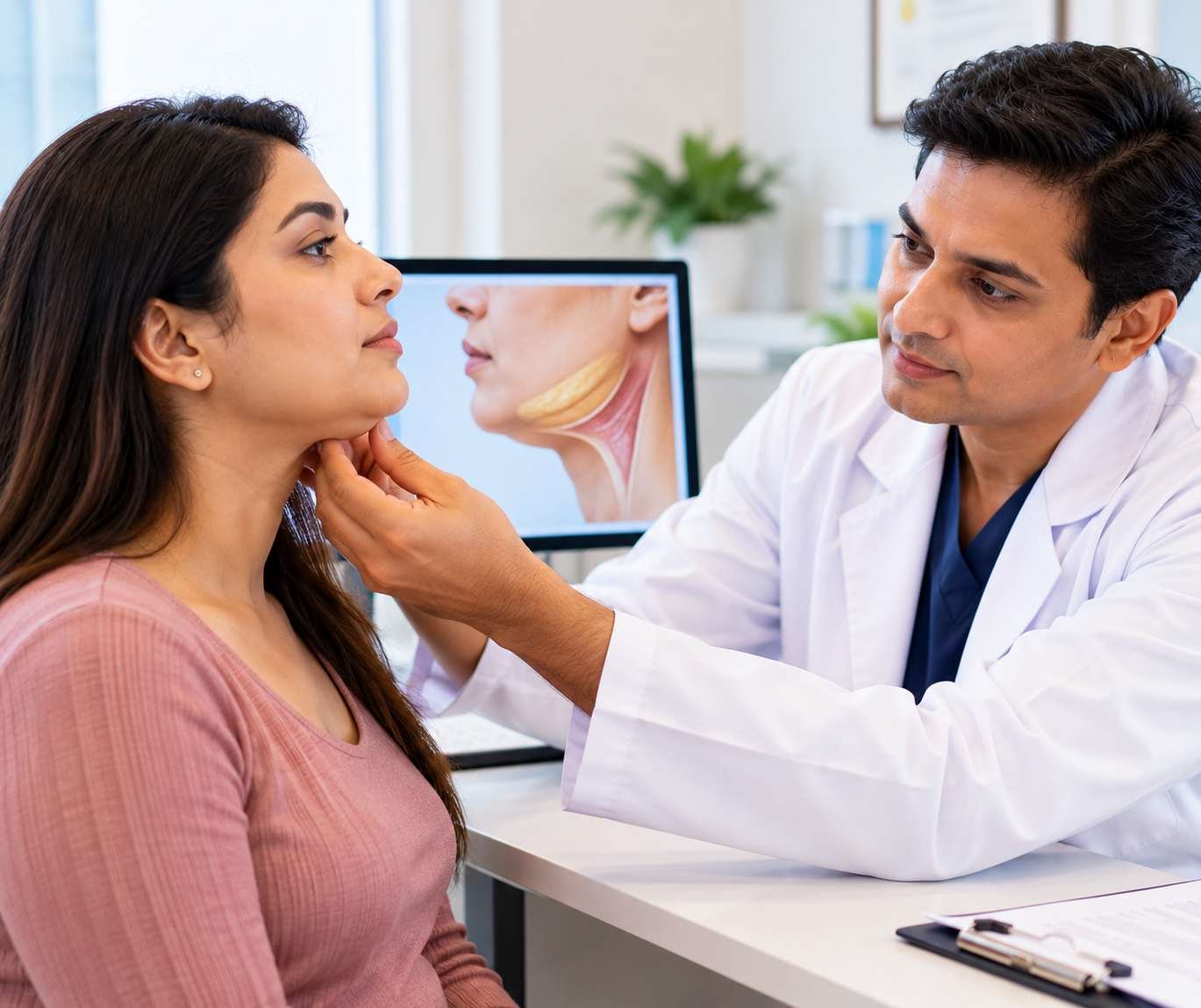
At Elegance Clinic, Dr. Ashutosh Shah can assess facial structure, skin, proportions and the areas a patient wants to change before discussing how different surgical and non-surgical options may fit into a staged plan.
If you are considering several changes but are unsure where to begin, a detailed face analysis can help identify which concerns are structural, which are related to skin quality and which may be better addressed later.
Why Does the Order of Treatments Change the Final Result?
One treatment can change the planning of another.
This is the main reason a face makeover treatment order should be decided before individual procedures are booked independently.
For example, surgery that changes facial proportions may alter how the brows, lips or other features appear in relation to the rest of the face.
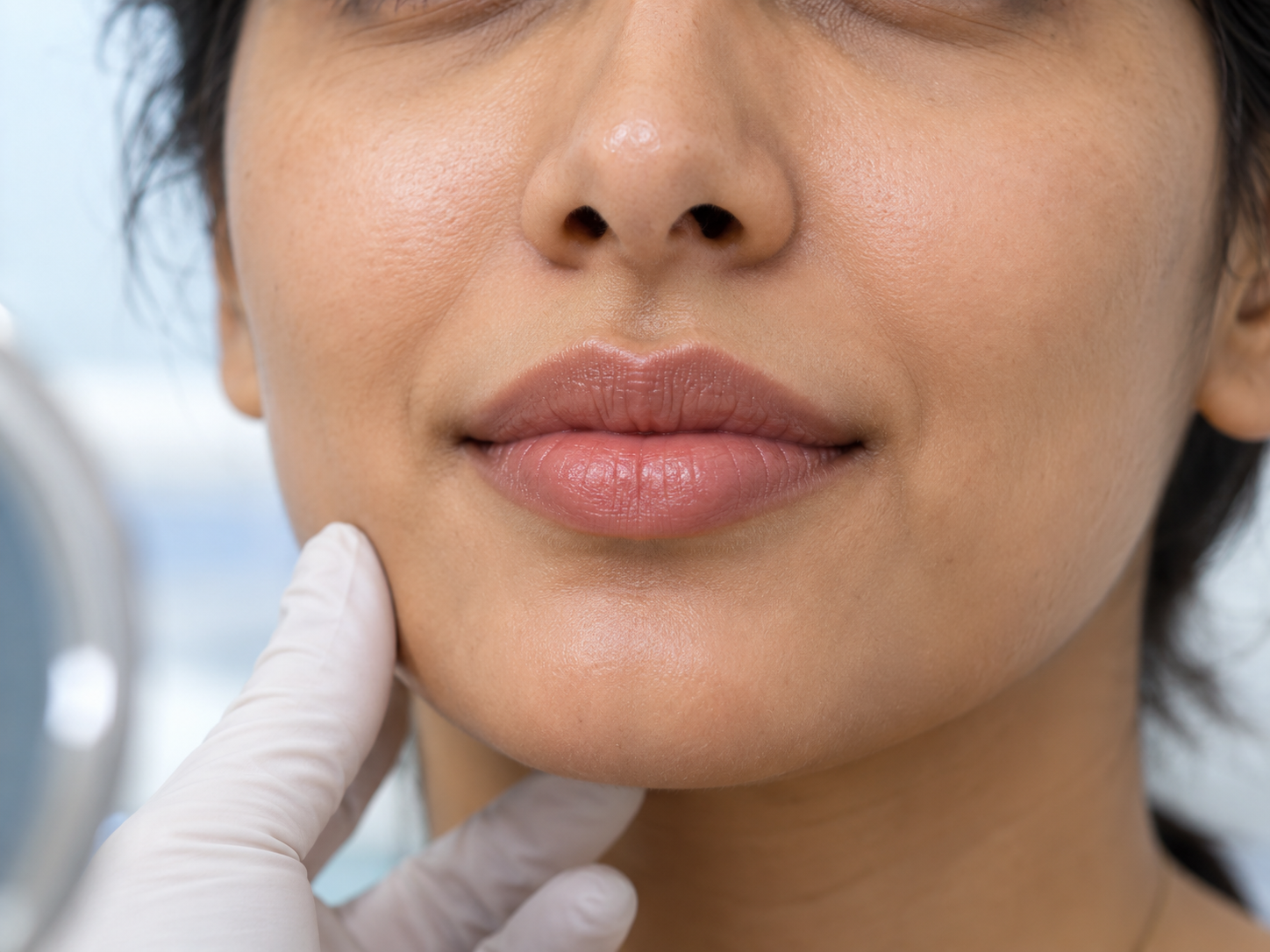
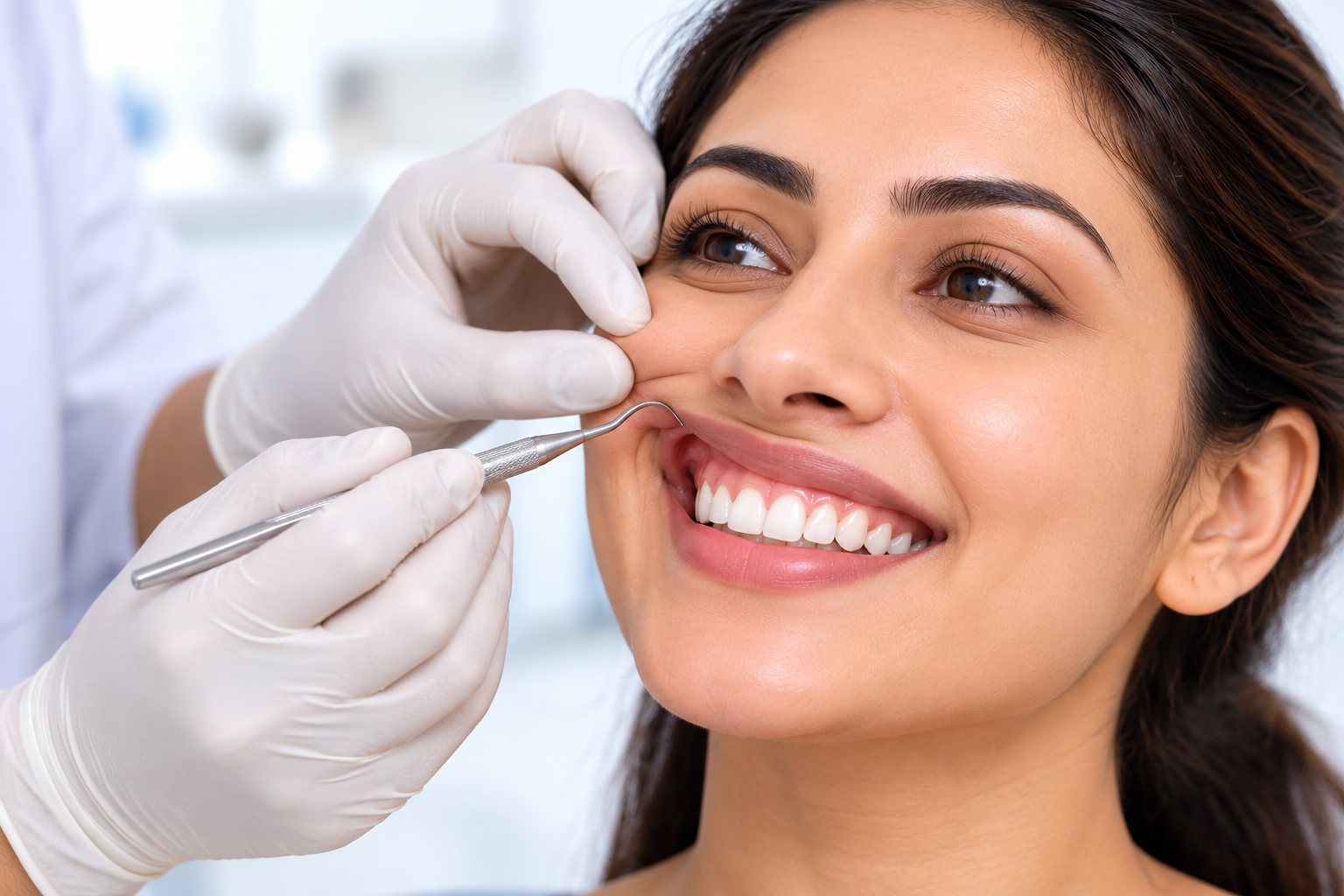
Dental treatment can change tooth shape, smile width and the support behind the lips. This can influence decisions about lip enhancement or other treatments around the mouth.
Skin resurfacing improves surface quality but does not correct an underlying structural problem.
Permanent makeup can create a defined brow or lip border, but its shape should ideally complement the finished facial proportions rather than proportions that are about to change.
A coordinated plan therefore asks two questions:
-
Which treatment changes the foundation?
-
Which later treatments depend on that foundation?
Treatments that significantly influence facial shape or support generally need consideration earlier in the sequence.
Treatments that refine texture, colour or definition usually sit later.
This does not mean every patient needs all four stages. Many people may need only one or two.
Which Treatments Count as Structural and Must Come First?
Structural treatments are procedures that can meaningfully change facial shape, proportions, support or tissue position.
Depending on the patient, these may include procedures involving the:
-
Nose
-
Chin
-
Jawline
-
Eyelids
-
Brow
-
Cheeks
-
Face or neck
-
Upper lip
-
Other areas where surgery changes facial proportions
Why consider these first?
Imagine planning permanent eyebrow shape before a procedure that changes brow position. The brow design may no longer sit as intended after the structural change.
Similarly, repeatedly adding filler to compensate for a structural problem may not be appropriate when the underlying concern requires a different approach.
The same principle applies to facial asymmetry.
Before treating individual areas, the clinician should determine whether the visible imbalance comes from bone structure, soft tissue, muscle activity, volume distribution or skin.
Patients who are uncertain about the source of their concern can read What a Face Analysis Reveals before choosing a specific treatment.
An assessment does not automatically mean surgery comes first for everyone. It means structural causes should be identified first so that later treatments are not planned around the wrong problem.
Where Does Dental Treatment Fit?
Dental work deserves special attention because teeth influence more than the smile itself.
The position, shape and appearance of the teeth can affect:
-
Smile width
-
Lip support
-
Visible tooth display
-
Facial proportions during smiling
-
The relationship between the lips and teeth
If significant dental work is planned, it should generally be considered early enough that later lip and smile treatments can be planned around the finished dental result.
For example, it may make little sense to finalise lip-related cosmetic work when substantial changes to tooth position or shape are still planned.
Where Do Skin Treatments and Resurfacing Fit in the Sequence?
Once major structural decisions are clear, the plan can move toward skin quality.
Skin-focused treatments may address concerns such as:
-
Uneven texture
-
Fine lines
-
Pigmentation
-
Sun damage
-
Acne-related changes
-
Dullness
-
Surface irregularities
These treatments refine the surface of the face rather than significantly changing its underlying structure.
This is why resurfacing generally should not be used as a substitute for structural correction.
A patient with significant tissue laxity, for example, should understand that improving skin texture does not necessarily reposition loose tissue.
Likewise, changing facial structure does not automatically correct pigmentation or rough skin.
The two concerns may therefore need separate stages.
The appropriate gap between surgery and skin treatment depends on the operation, healing progress and treatment being considered. Skin procedures should not be scheduled over incompletely healed tissue simply to finish the makeover faster.
Once healing is adequate, surface treatments can be selected according to the remaining skin concerns.
Patients interested in several non-surgical procedures can also review Combining Non-Surgical Treatments the Smart Way to understand why even non-surgical treatments need a logical sequence.
Why Is Permanent Makeup Usually Placed Last?
Permanent makeup is often a finishing stage rather than the foundation of a face makeover.
Brows, eyeliner and lip pigmentation are designed according to the proportions visible at the time of treatment.
If those proportions are likely to change because of surgery, dental treatment or another significant procedure, performing permanent makeup too early may make the final design less suitable.
Consider the eyebrows.
Their ideal shape relates to:
-
Brow position
-
Eye shape
-
Facial proportions
-
Forehead
-
Overall symmetry
If surgery is expected to change brow position or the tissues around the eyes, it makes sense to allow the structural result to settle before finalising permanent brow design.
The same applies to the lips.
Dental changes or procedures involving the upper lip can influence how the lip border appears. Permanent lip colour should therefore be planned around the settled result where appropriate.
Permanent makeup also requires its own healing and touch-up period.
Placing it later allows the practitioner to use the finished facial proportions as the reference.
This does not mean permanent makeup must always be the final treatment in every case. If no planned treatment will alter the relevant anatomy, it may be scheduled independently.
The face makeover treatment order should always be personalised rather than applied as an identical template.
A Four-Stage Face Makeover Treatment Order
A useful way to understand sequencing is to divide the plan into four broad stages.
| Stage | Treatments in That Stage | Why It Sits There | Gap Before Next Stage | What It Changes for Later Stages |
|---|---|---|---|---|
| Stage 1: Structure & Dental Planning | Major facial surgery and significant dental correction where indicated | Establishes facial shape, support and smile foundation | Depends on treatment and healing | Changes proportions used to plan later treatments |
| Stage 2: Healing & Reassessment | Follow-up, assessment of settled structure and any staged correction | Allows swelling and tissue changes to settle | Individualised | Shows which concerns remain after structural treatment |
| Stage 3: Skin & Refinement | Appropriate skin, resurfacing or selected non-surgical treatments | Improves texture, tone and remaining soft-tissue concerns | Depends on treatment | Refines the surface without changing the foundation |
| Stage 4: Finishing Treatments | Permanent brows, lip pigmentation or other final refinements where suitable | Allows design around the settled face | Touch-up schedule as required | Completes colour, definition and detail |
This table is a planning framework, not a fixed medical timetable.
Some patients may start at stage three because they do not need structural treatment. Others may require a longer healing period between stages.
How Is a Realistic Twelve-Month Plan Built Around Leave and Budget?
A good makeover plan should work with real life.
Not everyone can take several weeks away from work or pay for every treatment in the same month.
Once the treatment priorities have been identified, they can be organised around:
-
Medical priority
-
Recovery requirements
-
Work commitments
-
Important events
-
Family support
-
Travel
-
Budget
-
Healing between procedures
Months 1–3: Assessment and Foundation
The first phase can be used for facial assessment, clinical photography where appropriate, dental evaluation, medical preparation and planning any priority structural procedure.
Not every patient will undergo treatment immediately. Sometimes the most useful first step is understanding which concerns relate to facial structure, skin quality, proportions or ageing changes.
A detailed assessment may include clinical examination as well as technology-assisted evaluation where appropriate. You can read What is AI face analysis to understand how facial imaging and AI-based assessment can provide additional information about concerns such as skin texture, pigmentation, fine lines and other skin parameters. AI analysis should support professional clinical assessment rather than replace it.
Once the main concerns are identified, the treatments can be placed in a logical order so that procedures performed later are planned around the results of earlier stages.
Months 3–6: Healing and Reassessment
Once structural treatment has been performed, allow adequate healing before judging the result.
Early swelling can temporarily change proportions and symmetry.
This is not the ideal stage to rush into multiple additional treatments simply because the face has not yet reached its settled appearance.
Reassessment helps determine which original concerns have improved and which still require attention.
Months 6–9: Skin and Non-Surgical Refinement
Once the relevant tissues have healed, skin-quality or selected non-surgical treatments can be considered if they are still required.
This stage may focus on texture, pigmentation, fine lines or other surface concerns.
Again, not every patient needs this stage.
Months 9–12: Final Details
Permanent makeup and other finishing treatments may be considered once facial proportions are sufficiently settled.
The timing should still be based on healing rather than the calendar alone.
A twelve-month plan is therefore a framework that can be shortened or extended depending on what is actually being treated.
Should Treatments Be Combined to Save Time?
Sometimes two treatments can be performed during the same period or visit, but convenience should not be the only reason to combine them.
The clinician needs to consider:
-
Whether the treatments interfere with each other
-
Anaesthesia requirements
-
Total recovery burden
-
Swelling
-
Infection risk
-
Aftercare
-
Whether the result of one treatment is needed to plan the next
Combining appropriate treatments can sometimes reduce repeated visits or recovery periods.
In other cases, staging them provides better control because the result of the first procedure can be assessed before the second is performed.
A shorter timetable is not automatically a better treatment plan.
What If You Can Only Do One Stage This Year?
A face makeover does not need to be completed within one year.
If budget, leave or personal circumstances allow only one stage, prioritise the treatment that addresses the main underlying concern and has the greatest effect on later planning.
For someone with a structural concern, correcting or assessing that foundation may come first.
For someone whose facial structure is already balanced but whose main concern is pigmentation or texture, a skin-focused stage may be all that is required.
For another patient, dental treatment may take priority before any cosmetic treatment around the lips.
The aim is not to complete the largest number of procedures.
It is to avoid spending time and money on a treatment that may need to be reconsidered after a more fundamental change.
For more information about the clinic and the approach to facial treatment planning, see About Elegance Clinic.
Key Takeaways
-
Structure comes before surface when structural change is genuinely required.
-
Dental treatment should be considered early because teeth can influence smile appearance and lip support.
-
Skin treatments refine texture and tone but do not replace structural correction.
-
Permanent makeup generally belongs later when brow and lip proportions are settled.
-
Not every patient needs all four stages.
-
Adequate healing is more important than following a fixed calendar.
-
Some compatible treatments can be combined, while others are better staged.
-
Budget and leave can be built into a longer treatment plan.
-
If only one stage is possible, prioritise the concern that influences later treatment decisions.
-
A coordinated plan can help avoid unnecessary or poorly sequenced procedures.
Conclusion
The right face makeover treatment order depends on what is actually changing. Structural and significant dental changes should be considered before treatments whose design depends on those proportions. Skin treatments can then refine texture and tone, while permanent makeup can provide finishing definition once the relevant facial features have settled.
At Elegance Clinic, a face makeover plan can be built around individual facial anatomy, priorities, recovery requirements and practical considerations such as work leave and budget. The goal is not to fit as many treatments as possible into one year, but to perform each necessary treatment at a stage where it makes sense.