Can Laser Treatment Help Remove Stubborn Dark Spots?
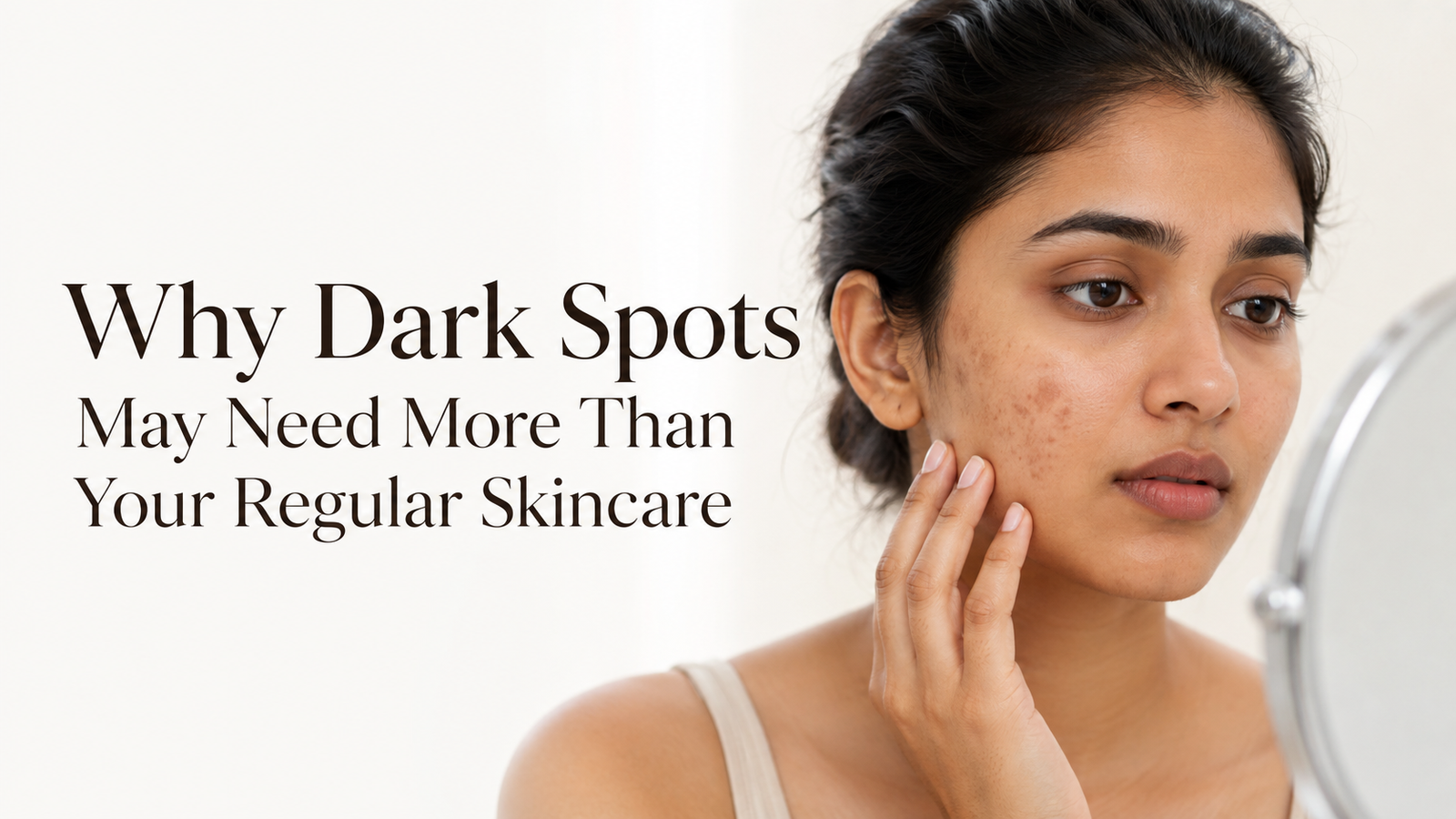
Dark spots can remain visible even after acne has cleared, sun exposure has reduced, or a regular skincare routine has been followed consistently. These marks may appear as brown, black, or greyish patches and can develop because of acne, inflammation, hormonal changes, sun exposure, skin injuries, or other forms of hyperpigmentation.
For people looking for Dark Spots Laser Removal in Surat, laser skin resurfacing may be considered when pigmentation does not respond adequately to topical skincare. However, laser treatment is not a one-size-fits-all solution. The right approach depends on the cause, depth, location, and type of pigmentation as well as the individual's skin tone.
What Causes Stubborn Dark Spots?
Before choosing a laser treatment, it is important to understand why the pigmentation developed. Common causes include:
- Post-acne pigmentation: Dark marks may remain after pimples heal.
- Sun exposure: UV and visible light can stimulate melanin production and make existing pigmentation darker.
- Hormonal changes: Conditions such as melasma can cause patches of pigmentation, particularly on the cheeks, forehead, nose, or upper lip.
- Skin inflammation or injury: Irritation, burns, cuts, or certain skin conditions can leave behind post-inflammatory hyperpigmentation.
- Age-related pigmentation: Some people develop sun spots or age spots over time.
- Skin irritation: Certain cosmetics or skincare products may trigger inflammation followed by pigmentation.
Understanding the underlying cause matters because treating the pigment without addressing the trigger may allow new spots to develop.
Can Laser Treatment Remove Dark Spots?
Yes, laser treatment can help reduce the appearance of certain types of dark spots and pigmentation. Laser and light-based treatments are used for concerns such as age spots, some forms of hyperpigmentation, acne-related marks, and melasma in appropriately selected patients.
The goal is generally not to promise that every dark spot will disappear permanently. Instead, treatment aims to reduce excess pigmentation and create a more even-looking complexion.
The effectiveness can vary depending on:
- Type of pigmentation
- Depth of the pigment
- Skin tone
- Size and location of the dark spots
- Previous treatments
- Sun exposure
- Individual healing response
A proper skin assessment is therefore an important first step before deciding whether laser resurfacing is appropriate.
How Does Laser Skin Resurfacing Help?
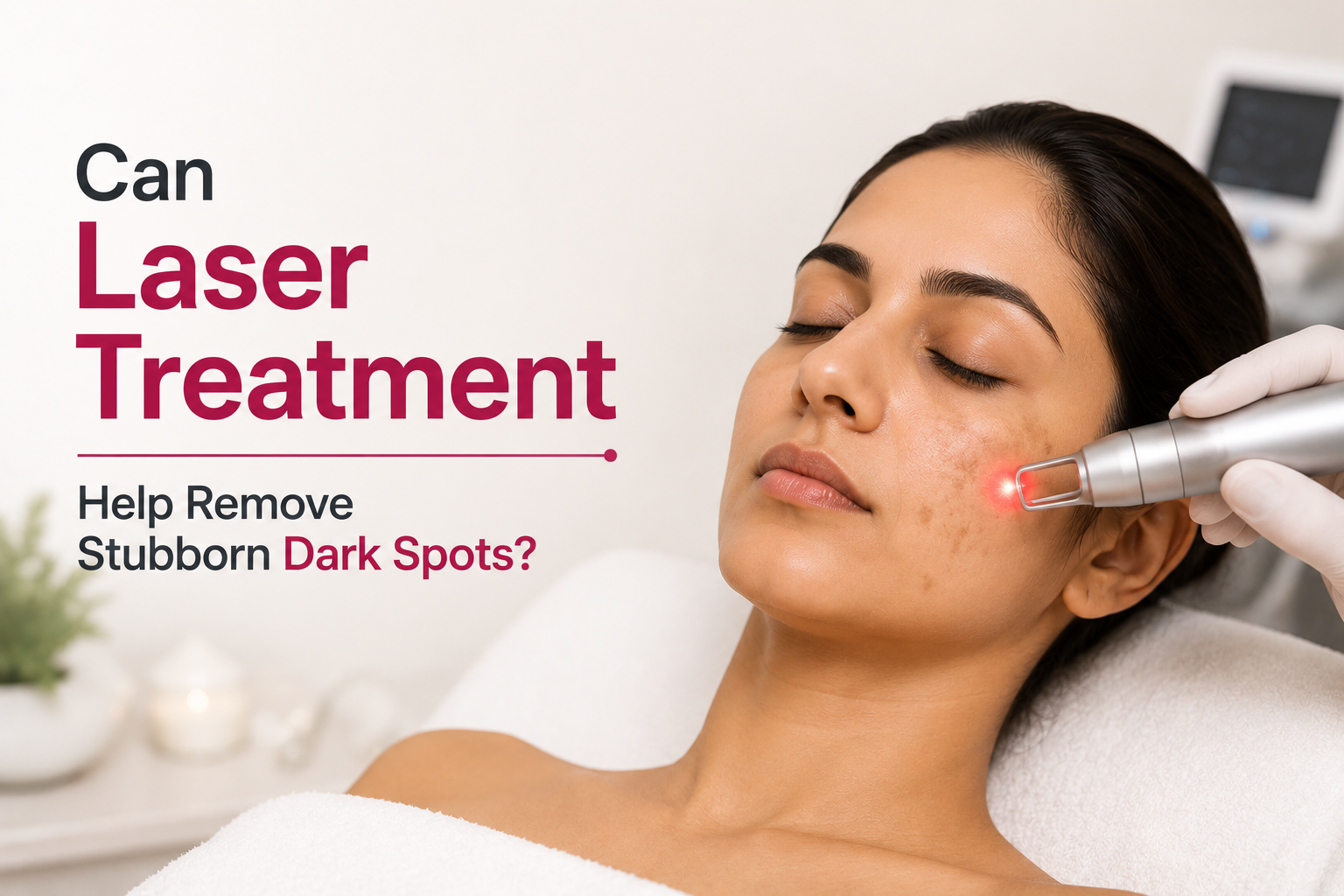
Laser skin resurfacing uses controlled laser energy to target selected areas of the skin. Depending on the technology and treatment plan, it can address pigmentation while also encouraging skin renewal.
For someone seeking Dark Spots Laser Removal in Surat, the treatment plan may be designed around both pigmentation and overall skin texture.
Potential benefits may include:
- Reduction in the appearance of selected dark spots
- More even-looking skin tone
- Improvement in uneven pigmentation
- Smoother-looking skin texture
- A refreshed appearance
- Possible improvement in some acne-related pigmentation and superficial skin concerns
Laser treatments can also be used for other concerns such as age spots and certain scars, but the exact treatment depends on the patient's skin and diagnosis.
Why Indian Skin Needs Careful Laser Selection
People with medium to darker skin tones can be more susceptible to pigmentation changes after laser procedures. In some cases, an unsuitable laser setting or overly aggressive treatment may cause temporary or prolonged darkening or lightening of the skin.
This is why laser treatment should be selected according to the individual's skin type and pigmentation rather than simply choosing the strongest available procedure.
A personalised approach may involve considering:
Skin tone → type of pigmentation → depth of pigment → laser suitability → treatment settings → aftercare
This approach can help balance pigmentation improvement with skin safety.
Is Laser Treatment Suitable for Every Dark Spot?
No. Not every dark spot should automatically be treated with a laser.
For example, melasma can be particularly persistent and may require a combination approach involving sun protection, topical medication and, in selected cases, laser or light treatment.
Similarly, pigmentation caused by an active skin condition may need the underlying condition treated first. Post-inflammatory pigmentation can also gradually fade over time, although treatment may help accelerate improvement.
A consultation helps determine whether laser resurfacing is appropriate or whether another treatment would be more suitable.
What Happens During a Dark Spot Laser Treatment?
A typical treatment process may involve:
1. Skin Assessment
The skin is examined to understand the type and distribution of pigmentation.
2. Treatment Planning
The appropriate laser or resurfacing approach is selected based on the skin's condition and treatment goals.
3. Laser Application
Controlled laser energy is delivered to the targeted skin according to the selected treatment parameters.
4. Skin Recovery
Some patients may experience temporary redness, sensitivity, dryness, peeling, or changes in pigmentation depending on the treatment used.
5. Follow-Up
Your provider may assess the response and determine whether additional sessions or complementary treatments are appropriate.
How Many Sessions Are Needed?
There is no fixed number of laser sessions for everyone.
Some superficial pigmentation concerns may show noticeable improvement after a limited number of treatments, while deeper or recurrent pigmentation may require a longer treatment plan. For certain age spots, the American Academy of Dermatology notes that one or two laser treatments may sometimes be effective, although results and treatment requirements vary.
Your treatment plan should therefore be based on your pigmentation rather than a predetermined number of sessions.
Does Laser Treatment Permanently Prevent Dark Spots?
Not necessarily.
Even when pigmentation improves, new dark spots can develop if the original triggers remain. Sun exposure is particularly important because UV and visible light can contribute to pigmentation and can darken existing marks.
Daily sun protection is therefore an important part of maintaining results. A broad-spectrum sunscreen with SPF 30 or higher is commonly recommended, and tinted sunscreen containing iron oxide may provide additional protection against visible light for people prone to hyperpigmentation.
What Should You Avoid After Laser Treatment?
After treatment, your skin may be more sensitive than usual. Depending on the procedure performed, your provider may recommend avoiding:
- Excessive sun exposure
- Unnecessary heat or irritation
- Picking or scratching treated areas
- Harsh exfoliating products
- Unapproved active skincare products
- Tanning
Following the prescribed aftercare routine is important for supporting healing and reducing the risk of unwanted pigmentation changes.
Why Choose Professional Laser Skin Treatment in Surat?
When considering Dark Spots Laser Removal in Surat, the objective should not simply be to remove visible pigmentation as quickly as possible. The treatment should be selected according to your skin type, pigmentation pattern, and overall skin health.
At Elegance Clinic, an individualised assessment can help determine whether laser skin resurfacing is appropriate for your pigmentation concern. Dr. Ashutosh Shah can assess the skin and recommend a treatment approach based on the specific concern rather than using the same procedure for every patient.
Dark Spots Laser Removal in Surat: What Results Can You Expect?
The expected outcome depends on the cause and depth of pigmentation. Possible improvements include:
- Lighter-looking dark spots
- More uniform skin tone
- Reduced appearance of pigmentation
- Smoother-looking skin
- Fresher overall complexion
It is important to maintain realistic expectations. Laser treatment can improve many pigmentation concerns, but it does not guarantee that every dark spot will disappear permanently.
Key Takeaways
- Dark Spots Laser Removal in Surat may help reduce selected types of pigmentation.
- The cause of the dark spot should be identified before treatment.
- Laser settings should be customised according to skin type and pigmentation.
- Darker skin tones require particularly careful treatment planning because pigmentation changes can occur after laser procedures.
- Melasma and recurrent pigmentation may require a combination of treatments rather than laser alone.
- Sun protection is essential before and after pigmentation treatment.
- Professional assessment is important for choosing the safest and most appropriate approach.
Conclusion
Can laser treatment help remove stubborn dark spots? Yes, laser-based treatments can help reduce the appearance of certain dark spots and pigmentation, but the outcome depends on the underlying cause, skin type, depth of pigmentation, and treatment approach.
If you are considering Dark Spots Laser Removal in Surat, a personalised consultation can help determine whether laser skin resurfacing is suitable for your skin and what type of results you can realistically expect.
Looking for professional dark spot treatment in Surat? Consult Elegance Clinic to discuss your pigmentation concerns and explore an appropriate laser skin resurfacing plan. The right treatment begins with understanding your skin rather than simply targeting the visible spot.